Skip to content
Ever wondered why modern skylines are dominated by towering giants that seem indestructible? The pain of outdated, fragile buildings is real—until steel structures solve it with unmatched strength.
A steel structure is a construction system mainly made of steel components, offering high strength, ductility, and durability for buildings, bridges, and industrial facilities.
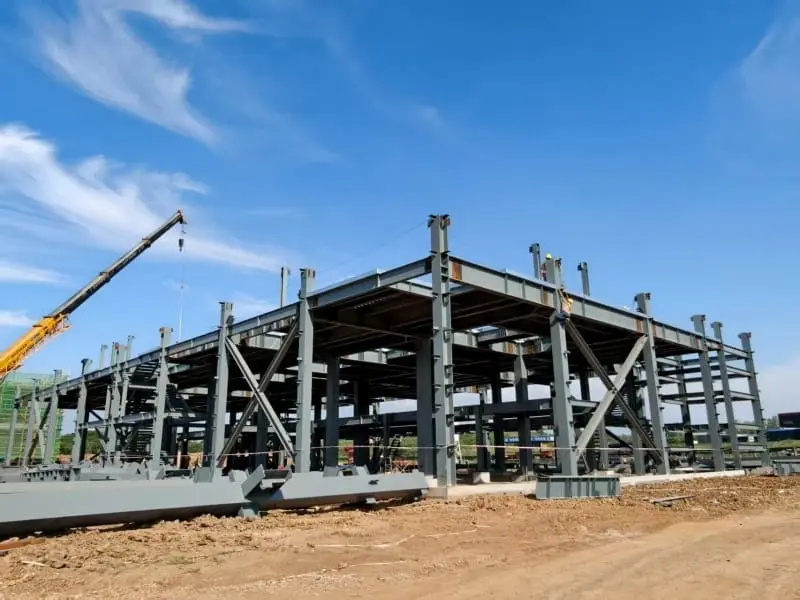
But there’s so much more to uncover about steel structures that could transform your next project—keep reading to dive deeper.
What are the Basics of Steel Structure Composition?
Struggling with choosing the right materials for your build? The frustration of weak components failing under stress is common, but steel’s composition offers a reliable fix.
Steel structure basics involve various steel types like carbon, HSLA, weathering, cold-formed, structural, and stainless, each tailored for specific strength and resistance needs.
Composition of Steel in Structures: Types of Steel
Understanding the types of steel is crucial for any construction project. Let’s break it down critically: not all steel is equal; selecting the wrong type can lead to corrosion or structural failure, while the right one ensures longevity. For instance, carbon steel is affordable but needs protection, whereas stainless steel excels in harsh environments.
Key Types and Their Properties
| Type of Steel | Main Characteristics | Best Applications |
|---|---|---|
| Carbon Steel | High strength, affordable, corrosion-prone | General buildings, frames |
| HSLA Steel | High strength, corrosion-resistant | Load-bearing structures |
| Weathering Steel | Excellent weathering resistance | Bridges, exteriors |
| Cold-Formed Steel | High strength, good toughness | Lightweight buildings, reinforcements |
| Structural Steel | High stability and strength | Large structures like bridges |
| Stainless Steel | Outstanding corrosion resistance | Harsh weather or chemical environments |
This table highlights how each type addresses specific challenges. Critically, while carbon steel dominates due to cost, its susceptibility to rust demands proactive coatings—overlooking this can inflate maintenance costs. In contrast, HSLA and weathering steels reduce long-term expenses by naturally resisting environmental stresses.
Main Components of Steel Structures
Beyond types, the components form the backbone. Steel beams support spans, columns bear vertical loads, trusses distribute weight efficiently, and connections (welded or bolted) ensure integrity. A critical view: poor connections are a common failure point; bolted ones offer flexibility for modifications, but welded provide superior strength if done precisely.
Roles and Critical Considerations
- Steel Beams: Essential for open spaces, but undersizing leads to sagging—always calculate loads accurately.
- Steel Columns: Transfer weights to foundations; buckling risk in tall builds requires stability checks.
- Steel Trusses: Optimize material use, ideal for roofs, yet complex designs can increase fabrication time.
- Connections: Choose based on project—rivets for historical restores, bolts for ease.
In-depth, these components interact; a holistic design prevents weak links. For example, in seismic zones, flexible connections absorb shocks better. Overall, mastering composition basics empowers better decisions, avoiding pitfalls like over-engineering (costly) or under-engineering (dangerous). This foundation sets the stage for robust structures that stand the test of time, blending science with practical application for superior results.
What are Steel Structure Systems?
Tired of buildings that lack stability in harsh conditions? The hassle of constant repairs is exhausting, but steel systems deliver enduring support effortlessly.
Steel structure systems include foundations, floors, grids, bracing, trusses, roofs, framing, light gauge framing, and metal cladding for comprehensive stability.
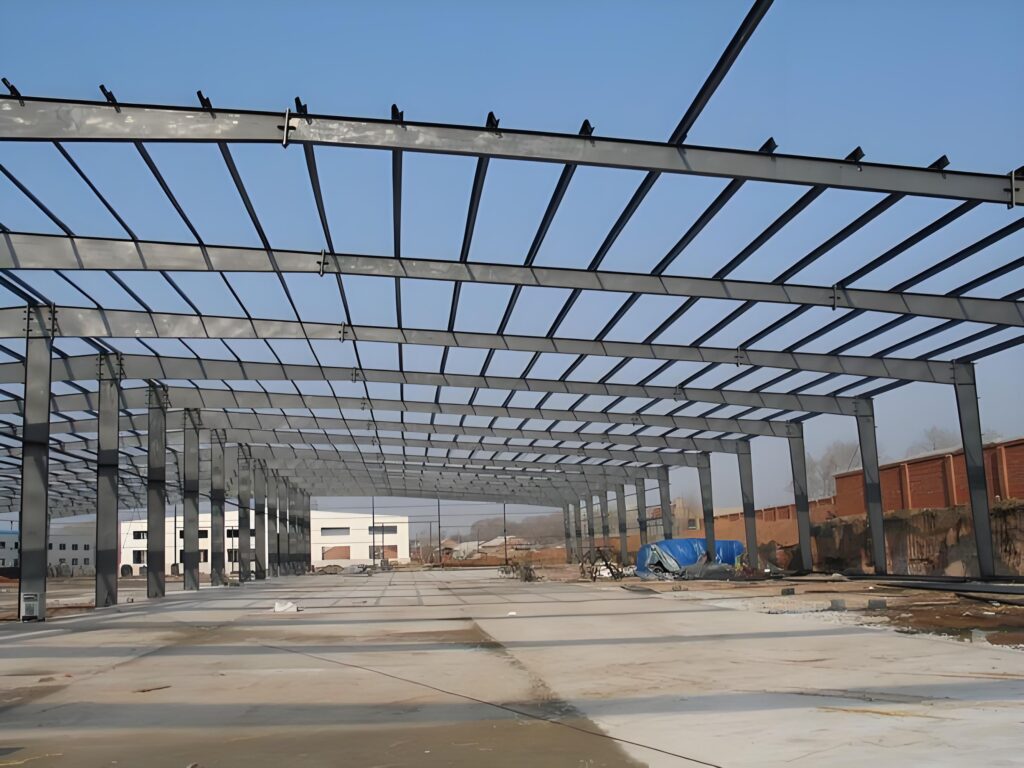
Key Steel Structure Systems Explained
To truly grasp these systems, consider their interdependencies—weak bracing can undermine a strong frame. Critically, over-relying on one system ignores holistic needs; balance is key for efficiency.
Detailed Systems and Functions
| System | Description | Advantages |
|---|---|---|
| Steel Structure Foundation | Transfers loads to ground using piles | Strong support in unstable soils |
| Steel Floor System | Beams and decking for floors | Lightweight, quick installation |
| Steel Grid Structures | Network for open spaces | Minimal material, high stability |
| Steel Structure Bracing | Diagonal braces for lateral forces | Earthquake and wind resistance |
| Steel Truss System | Triangular framework for spans | Efficient load distribution |
| Steel Roof System | Purlins, beams for roofing | Durable against environmental forces |
| Steel Framing System | Columns, beams as skeleton | Primary support for multi-stories |
| Light Gauge Steel Framing | Pre-fab studs for low-rise | Cost-effective, lightweight |
| Metal Cladding Systems | Outer protective panels | Weatherproofing, aesthetic appeal |
This table formats the essentials. A critical angle: in urban areas, grid structures save space but require precise engineering to avoid vibration issues. Bracing systems, often overlooked, are vital—without them, wind can cause sway, leading to discomfort or damage.
Integration and Challenges
Systems don’t operate in isolation; for example, combining truss and bracing enhances seismic performance. However, challenges like material fatigue in trusses demand regular checks. Light gauge framing suits residential but falters in heavy industrial use—mismatch here spells trouble. Future-proofing involves sustainable integrations, like eco-friendly cladding. Ultimately, these systems enable versatile designs, from skyscrapers to warehouses, but success hinges on tailored application and maintenance foresight.
What are the Types of Steel Structure?
Confused by the array of structural options out there? The overwhelm of picking the wrong type can delay projects, but understanding steel types clarifies choices.
Types of steel structures include frame, truss, arch, shell, space frame, portal frame, tension, lattice, and cable suspension for diverse needs.
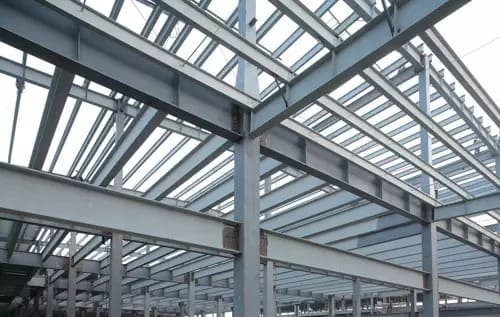
Exploring Steel Structure Types in Depth
Critically dissecting types reveals no one-size-fits-all; each excels in specific scenarios, but misapplication leads to inefficiencies or failures.
Types and Their Applications
| Type | Key Features | Common Uses |
|---|---|---|
| Frame Structure | Rigid columns and beams | Commercial buildings, warehouses |
| Truss Structure | Triangular units for load distribution | Roofs, bridges |
| Arch Structure | Curved beams for compression | Stadiums, exhibition halls |
| Shell Structure | Thin, curved for large areas | Domes, theaters |
| Space Frame Structure | 3D nodes and beams | Exhibition centers, malls |
| Portal Frame Structure | Rigid frames for spans | Industrial plants, hangars |
| Tension Structure | Cables for tension | Tents, stadiums |
| Lattice Structure | Crossed members for lightness | Power towers, bridges |
| Cable Suspension | Cables for ultra-spans | Suspension bridges, roofs |
This table organizes insights. Frame structures offer cost-speed balance but limit creativity; trusses optimize materials yet require skilled assembly. Arches provide aesthetics but demand strong abutments—weak foundations doom them.
Pros, Cons, and Critical Choices
Each type has trade-offs: space frames resist earthquakes well but are complex to build. Tension structures are lightweight for temporary use, but permanent ones need weather-proofing. Lattice excels in high-load environments like towers, minimizing wind resistance. Choosing involves load, span, and site analysis—ignore aesthetics at peril in public projects. Innovations like hybrid types blend benefits, reducing drawbacks. Mastering these empowers efficient, iconic builds.
How is Steel Structure Designed?
Battling design flaws that compromise safety? The stress of unstable builds is preventable with solid steel design principles at your core.
Steel structure design focuses on mechanical principles, load calculations, and stability analysis to ensure safety and efficiency.
Core Principles of Steel Structure Design
Design isn’t just drawing; critically, overlooking loads can cause catastrophes. Break it down: mechanical design handles forces, but integration is key.
Key Design Elements
| Element | Description | Importance |
|---|---|---|
| Mechanical Design | Calculates tension, compression, etc. | Ensures components withstand forces |
| Load Calculation | Dead, live, wind, seismic loads | Determines sizes and strengths |
| Stability Analysis | Assesses buckling, bending | Prevents collapse under stress |
Table for clarity. Loads vary—seismic in quake zones demands ductility. Stability: columns buckle if slender; braces mitigate.
Advanced Considerations
Connections matter—welded for rigidity, bolted for adjustability. Software aids simulation, spotting issues early. Critically, sustainability integrates recycled steel. Challenges: over-design wastes resources; under-design risks lives. Best practices evolve with codes, ensuring resilient structures.
How Are Steel Structures Made?
Frustrated by slow, error-prone construction? The chaos of on-site builds fades with steel’s streamlined manufacturing process.
Steel structures are made through standards-guided production, shaping, assembly, and on-site installation for precision.
Standards and Manufacturing Process
Standards like ISO, ASTM, EN ensure quality. Critically, non-compliance risks failure; adherence builds trust.
Manufacturing Stages
| Stage | Details | Technologies |
|---|---|---|
| Steel Production | Refining iron with alloys | Blast furnaces |
| Forming | Rolling into shapes | Mills for plates, beams |
| Cutting and Shaping | Laser, plasma, water jet | Precision tools |
| Welding and Bolting | Joints for assembly | Robotic welding |
| On-Site Assembly | Prefab transport and erection | Cranes, hoists |
This formats the flow. Production: carbon control defines type. Cutting: laser for accuracy in complex designs.
Technologies and Prefab Benefits
BIM for digital twins, 3D modeling for tests, automation reduces errors. Prefab speeds timelines, cuts waste. Critically, transport logistics prevent damage. Overall, process enables durable, quick builds.
What are the Advantages of Steel Structures?
Dealing with weak materials that crumble under pressure? Steel’s advantages eliminate that worry, delivering superior performance.
Advantages include high strength, malleability, seismic resistance, and faster construction for versatile use.
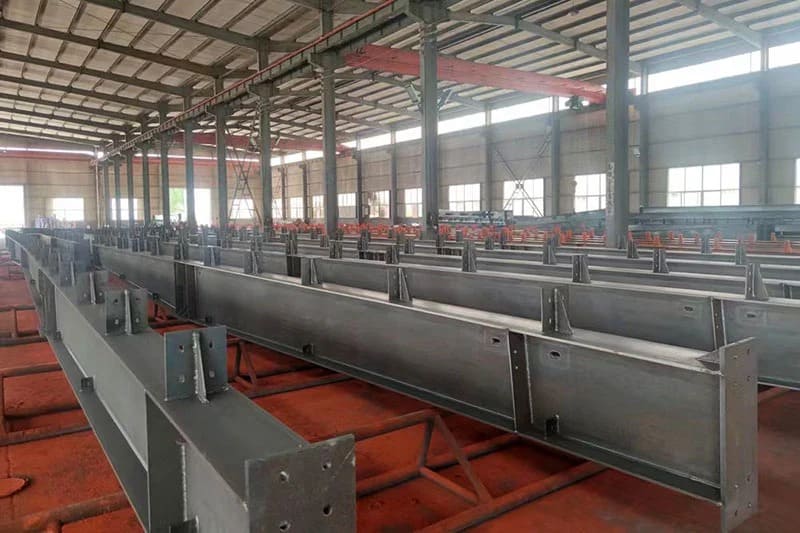
Breaking Down the Benefits
High strength-to-weight excels in loads; critically, it outperforms concrete in spans.
Advantages Table
| Advantage | Explanation | Impact |
|---|---|---|
| High Strength | Exceptional ratios | Ideal for heavy loads |
| Malleability | Easy shaping, modifications | Design flexibility |
| Seismic Resistance | Absorbs energy | Safer in earthquakes |
| Faster Construction | Prefab assembly | Reduced timelines, costs |
Malleability allows expansions; seismic: ductility prevents brittle failure. Construction: off-site minimizes disruptions. Critically, advantages shine in sustainability—recyclable.
What are the Disadvantages of Steel Structures?
Annoyed by hidden flaws in “perfect” materials? Steel’s disadvantages, if ignored, can derail projects—address them head-on.
Disadvantages encompass high costs, corrosion, thermal conductivity, fire risk, and design complexity.
Analyzing Drawbacks Critically
High initial costs from materials; corrosion needs coatings—neglect accelerates decay.
Disadvantages Overview
| Disadvantage | Issue | Mitigation |
|---|---|---|
| High Initial Cost | Expensive raw steel | Long-term savings |
| Corrosion Risk | Rust in humidity | Galvanization, paints |
| Thermal Conductivity | Heat/cold transfer | Insulation |
| Fire Risk | Strength loss in heat | Fireproofing |
| Design Complexity | Precise engineering | Expert teams |
Thermal issues affect energy efficiency; fire: coatings essential. Critically, balance pros/cons for informed choices.
What are the Applications of Steel Structures?
Wondering where steel fits in your vision? Limiting options stalls progress—steel’s applications unlock endless possibilities.
Applications span high-rises, large spans, industrial, bridges, towers, offshore, temporary, and specialized structures.
Diverse Applications Explored
High-rises for urban density; critically, adaptability suits varied needs.
Application Areas
| Area | Specific Examples |
|---|---|
| High-rise Buildings | Offices, hotels |
| Large Span Buildings | Arenas, airports |
| Industrial Buildings | Factories, warehouses |
| Bridges | Highway, railway |
| Towers | Communication, power |
| Offshore Platforms | Drilling, wind energy |
| Temporary Structures | Sheds, exhibitions |
| Other | Runways, billboards |
Bridges leverage strength; offshore resists waves. Critically, select based on environment—steel excels broadly.
What are the Challenges and Considerations of Steel Structures?
Facing unexpected hurdles in steel projects? These challenges can inflate budgets—tackle them with informed strategies.
Challenges include costs, corrosion, and environmental impact, requiring careful planning.
Key Challenges Dissected
Costs: high upfront, maintenance adds; corrosion: moisture accelerates, coatings mitigate.
Challenges Table
| Challenge | Details | Solutions |
|---|---|---|
| Cost | Material, fabrication | Efficient design |
| Corrosion | Exposure to elements | Protective alloys |
| Environmental Impact | Energy-intensive production | Recycling, green methods |
Environment: emissions high, but recyclability offsets. Critically, sustainable trends reduce impacts.
What is the Lifespan and Maintenance of Steel Structures?
Worried about structures aging prematurely? Poor maintenance shortens life—steel’s potential lasts decades with care.
Steel structures last 50-100+ years with maintenance like corrosion protection and inspections.
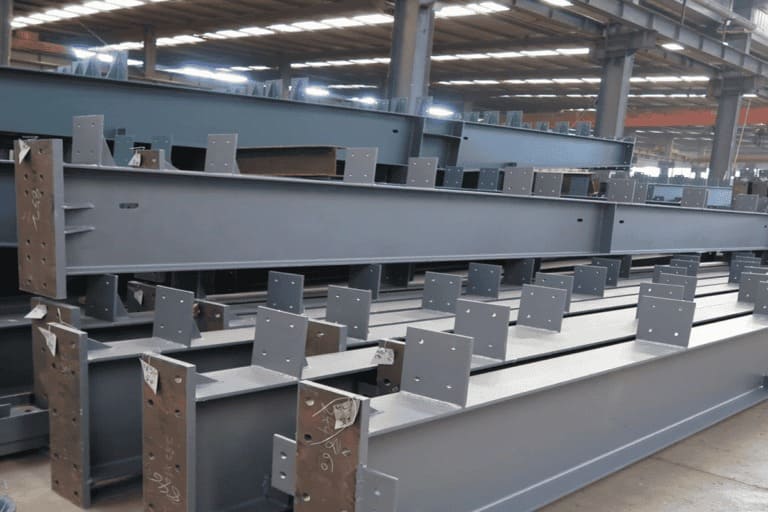
Lifespan Factors and Maintenance
Factors: materials, environment; maintenance: essential for longevity.
Maintenance Practices
| Practice | Purpose |
|---|---|
| Corrosion Protection | Prevent rust |
| Structural Inspections | Detect cracks |
| Cleaning/Lubrication | Maintain operation |
| Upgrades | Comply with codes |
Inspections prevent failures; upgrades adapt uses. Critically, proactive care maximizes ROI.
What is the Development Process of Steel Structures?
Curious about steel’s evolution? Stagnant tech limits innovation—tracing development reveals future potentials.
Development from 19th century Industrial Revolution to modern trends like sustainable steel.
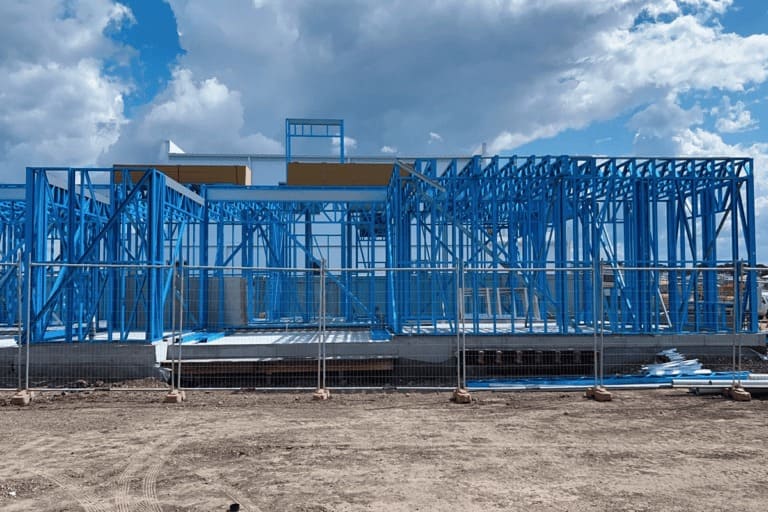
Historical and Future Trends
History: Eiffel Tower pioneered; trends: high-performance alloys.
Timeline and Trends
| Era/Trend | Highlights |
|---|---|
| 19th Century | Industrial Revolution, bridges |
| 20th Century | Skyscrapers, welding |
| Future | Sustainable, smart structures |
Critically, green initiatives address emissions; smart tech enhances monitoring.
结论
Steel structures offer unmatched strength, flexibility, and durability for diverse applications, from skyscrapers to bridges. While challenges like corrosion and costs exist, proper design, maintenance, and innovations ensure longevity. Choose BEST for customized, high-quality solutions that deliver speed, efficiency, and lasting performance tailored to your needs.