Skip to content
Choosing the right sandwich panel is one of the most important decisions in modular construction. The insulation core directly affects thermal performance, durability, energy efficiency, waterproof capability, and overall project cost.
Among the most commonly used insulated panels in modular buildings, PU sandwich panels and EPS sandwich panels are the two leading options. While they may appear similar from the outside, their performance and applications can differ significantly.
This guide explains the differences between PU and EPS sandwich panels in simple terms, helping builders, developers, and buyers select the most suitable solution for their projects.
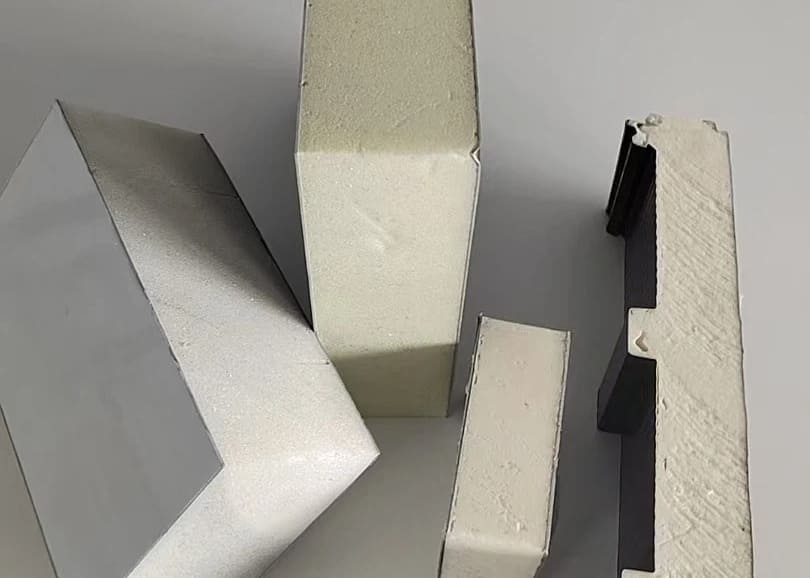
What Is a Sandwich Panel?
A sandwich panel is a composite building material made of three layers:
- Outer steel sheet
- Insulation core material
- Inner steel sheet
The insulation core is the most important component because it determines:
- Thermal insulation performance
- Fire resistance
- Moisture resistance
- Structural strength
- Energy efficiency
- Overall lifespan
Today, sandwich panels are widely used in:
- Modular homes
- Prefab houses
- Portable offices
- Cold storage buildings
- Industrial warehouses
- Labor camps
- Commercial buildings
The two most popular insulation core materials are:
- PU (Polyurethane)
- EPS (Expanded Polystyrene)
What Is a PU Sandwich Panel?
A PU sandwich panel uses polyurethane foam as the insulation core material.
Polyurethane is known for its high insulation efficiency, strong bonding performance, and superior moisture resistance. Because of these advantages, PU panels are commonly used in premium modular construction projects and energy-efficient buildings.
Key Advantages of PU Sandwich Panels
Superior Thermal Insulation
PU offers excellent thermal insulation due to its low thermal conductivity.
This allows buildings to maintain stable indoor temperatures more effectively in both hot and cold climates.
Benefits include:
- Reduced air conditioning costs
- Lower heating energy consumption
- Improved indoor comfort
- Better energy efficiency
PU panels are especially suitable for regions with extreme temperatures.
Better Waterproof Performance
PU has a closed-cell foam structure that minimizes water absorption.
This makes PU panels highly resistant to:
- Humidity
- Rainwater penetration
- Condensation
- Coastal corrosion environments
Because of this, PU panels are widely used in tropical and coastal regions.
Higher Structural Strength
PU panels are denser and more rigid than EPS panels.
They provide:
- Better dimensional stability
- Higher load resistance
- Improved wind resistance
- Stronger overall panel integrity
This is particularly important for long-term residential or commercial projects.
Longer Service Life
Due to better resistance to moisture and deformation, PU sandwich panels generally have a longer lifespan.
They maintain their insulation performance over time and require less maintenance.
What Is an EPS Sandwich Panel?
EPS sandwich panels use expanded polystyrene foam as the insulation core.
EPS is lightweight, economical, and widely used in affordable modular construction.
Because of its lower cost, EPS remains one of the most common materials for temporary buildings and budget-sensitive projects.
Key Advantages of EPS Sandwich Panels
Lower Cost
One of the biggest advantages of EPS is affordability.
EPS panels are significantly cheaper than PU panels, making them ideal for projects with strict budgets.
They are commonly used in:
- Temporary housing
- Construction site offices
- Labor camps
- Portable cabins
- Budget modular homes
Lightweight Structure
EPS has lower density, making panels lighter and easier to transport.
Advantages include:
- Reduced shipping costs
- Faster installation
- Easier handling on-site
- Lower structural load
This can help reduce overall project expenses.
Good Basic Insulation
Although EPS does not perform as well as PU in insulation, it still provides acceptable thermal performance for standard applications.
For moderate climates and temporary buildings, EPS is often sufficient.
PU vs EPS Sandwich Panel: Detailed Comparison
1. Thermal Insulation
Winner: PU
PU panels provide significantly better insulation performance because they have lower thermal conductivity.
This means:
- Better heat retention during winter
- Better heat blocking during summer
- Improved energy savings
PU panels are highly recommended for projects located in:
- Australia
- Canada
- Northern Europe
- Middle East desert regions
- Cold climate areas
2. Cost Comparison
Winner: EPS
EPS sandwich panels are much more affordable.
If budget control is the main priority, EPS is usually the preferred solution.
EPS works well for:
- Temporary buildings
- Workforce accommodation
- Portable site offices
- Budget housing projects
However, lower initial cost may come with reduced long-term energy efficiency.
3. Waterproof Performance
Winner: PU
PU’s closed-cell structure offers superior moisture resistance compared to EPS.
This makes PU a better choice for:
- Coastal construction
- Tropical climates
- High-humidity regions
- Heavy rainfall environments
Better waterproofing also helps extend building lifespan.
4. Structural Strength
Winner: PU
PU panels are stronger and more rigid.
Advantages include:
- Better wind resistance
- Higher durability
- Improved dimensional stability
- Better long-term performance
This is important for permanent modular buildings and premium housing projects.
5. Fire Resistance
Fire performance depends on the manufacturing grade and certification of the panel.
Both PU and EPS sandwich panels can be produced with fire-retardant properties.
However, buyers should always verify:
- Fire rating certification
- Local building code compliance
- Supplier testing reports
Choosing certified materials is critical for construction safety.
6. Weight Comparison
Winner: EPS
EPS panels are lighter than PU panels.
This helps reduce:
- Transportation costs
- Installation difficulty
- Structural load requirements
For remote projects or export container shipping, lightweight panels can offer cost advantages.
Which Sandwich Panel Should You Choose?
The right choice depends on your project requirements, climate conditions, budget, and building purpose.
Choose PU Sandwich Panels If You Need:
- Better thermal insulation
- Long-term residential buildings
- Premium modular homes
- Coastal or humid climate performance
- Higher energy efficiency
- Better structural durability
PU panels are ideal for:
- Resorts
- Granny flats
- Luxury prefab homes
- Permanent modular housing
- Commercial modular buildings
Choose EPS Sandwich Panels If You Need:
- Lower initial investment
- Temporary structures
- Fast project deployment
- Lightweight transportation
- Basic insulation performance
EPS panels are ideal for:
- Labor camps
- Site offices
- Temporary accommodation
- Portable cabins
- Budget housing projects
PU vs EPS: Which Offers Better Long-Term Value?
Although PU panels cost more initially, they often provide better long-term value because of:
- Lower energy bills
- Better durability
- Reduced maintenance
- Longer service life
For permanent modular buildings, PU panels are usually considered the better investment.
EPS panels remain an excellent solution for projects where affordability and speed are the primary concerns.
Our Recommendation
For high-end modular homes, resorts, granny flats, and long-term residential projects, PU sandwich panels are generally the superior choice due to their excellent insulation and durability.
For temporary buildings, labor accommodation, and budget-sensitive projects, EPS sandwich panels provide outstanding cost efficiency and practical performance.
The best solution ultimately depends on:
- Local climate
- Budget
- Building lifespan expectations
- Installation location
- Energy efficiency goals
Need Help Choosing the Right Sandwich Panel?
We provide both PU and EPS sandwich panel modular house solutions based on your project requirements.
Our engineering team can recommend the most suitable option according to:
- Local climate conditions
- Project budget
- Building application
- Shipping destination
- Required insulation performance
Whether you are building a prefab home, portable office, labor camp, or resort project, we can help you choose the ideal insulated panel solution.
Contact us today for professional advice and a customized quotation.
Conclusion
Both PU and EPS sandwich panels play important roles in modern modular construction. PU panels deliver superior insulation, waterproofing, and durability, making them ideal for premium and long-term projects. EPS panels provide lightweight and cost-effective solutions for temporary and economical buildings.
Understanding the differences between these two materials helps builders and buyers make smarter investment decisions while improving building performance and energy efficiency.
By selecting the right sandwich panel for your project, you can achieve better comfort, lower operating costs, and longer-lasting modular buildings.