Skip to content

The short-term rental market is shifting. Travelers increasingly seek unique, design-forward stays over generic hotel rooms — and investors are responding with container and capsule homestay projects that deliver strong returns at a fraction of traditional construction cost. This guide covers what you need to know to get started, what it costs, and what to realistically expect.
Why Container and Capsule Homestays Make Financial Sense
Traditional boutique homestay projects typically take 6 to 12 months from groundbreaking to first guest. A modular container or capsule build compresses that timeline to 4 to 10 weeks, meaning your capital starts generating revenue months earlier. Beyond speed, the cost structure is more predictable. Factory prefabrication locks in most expenses during production, reducing the budget overruns that plague on-site construction.
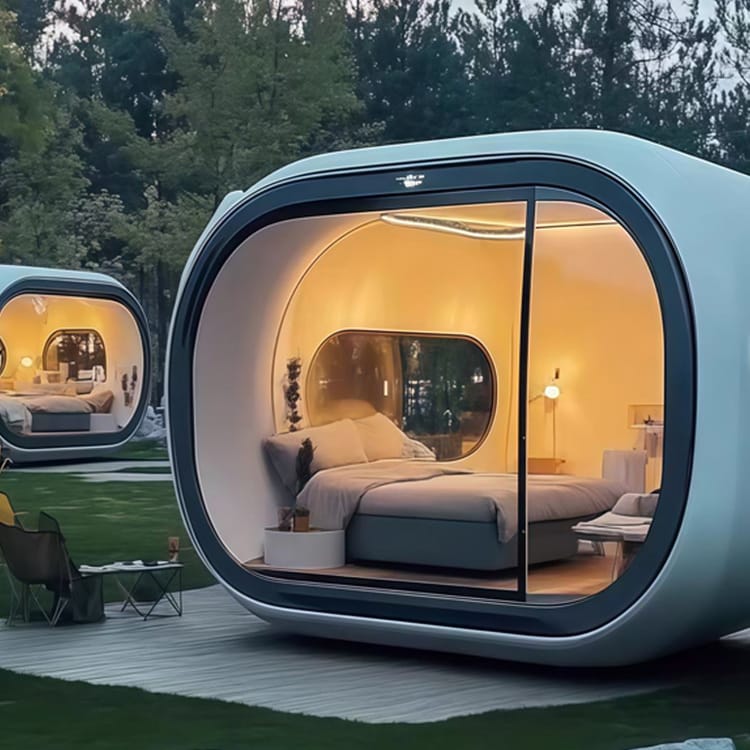
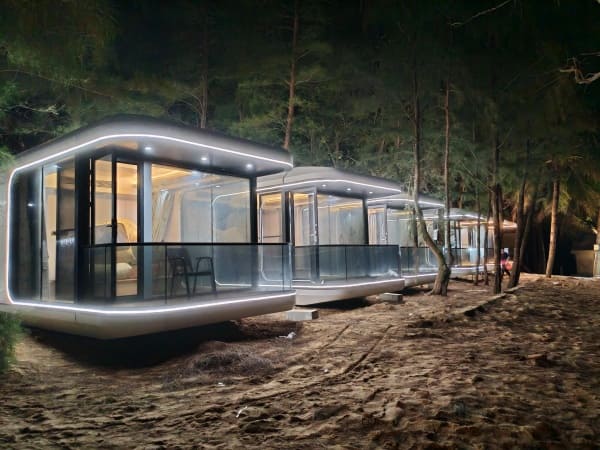
Guests are also willing to pay a premium. Accommodations with a distinct visual identity — panoramic glass walls, nature-integrated design, futuristic capsule aesthetics — consistently command 20% to 40% higher nightly rates than standard room types in the same location. The structures themselves become a marketing asset, driving organic social media exposure that traditional hotels cannot replicate.
Cost Reference by Unit Type
| Unit Type | Configuration | Estimated Cost (USD) |
|---|---|---|
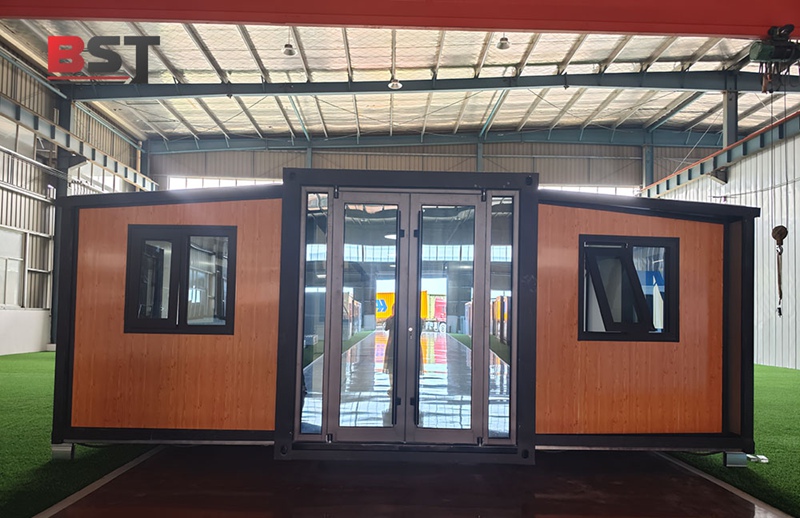
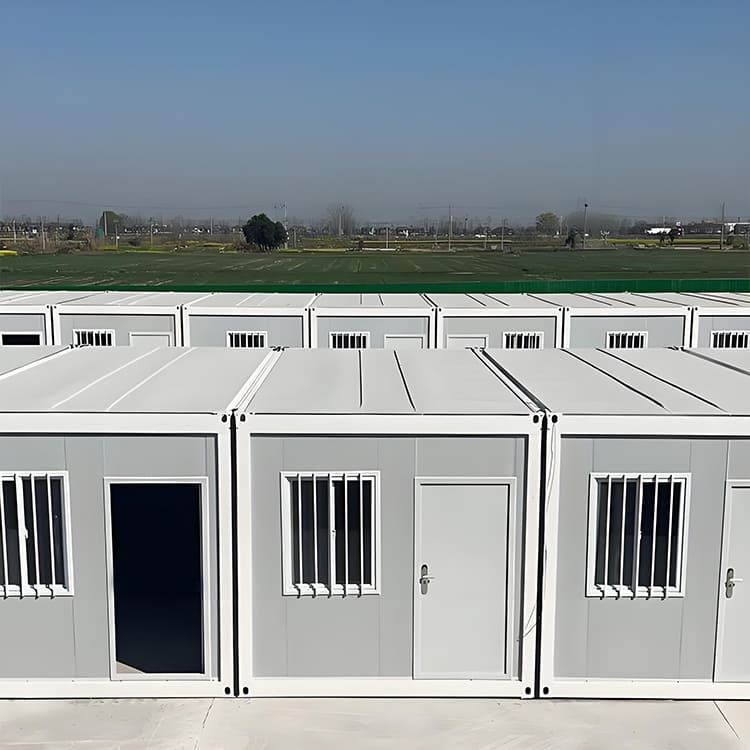
| Basic container unit | Simple insulation, standard electrical | $15,000 – $30,000 |
| Luxury container unit | Private bath, full insulation, custom interior | $30,000 – $60,000 |
| Capsule homestay unit | Built-in furniture, smart systems, climate control | $20,000 – $45,000 |
| Setup & logistics | Transport, site prep, foundation | $3,000 – $8,000 per unit |
Foundation costs are typically 10% to 20% of total investment for container projects on suitable terrain — significantly lower than the 20% to 35% that conventional structural foundations demand.
ROI and Payback Timeline
| Metric | Typical Range |
|---|---|
| Average nightly rate | $80 – $200 |
| Annual occupancy rate | 55% – 75% |
| Estimated annual revenue per unit | $16,000 – $35,000 |
| Expected payback period | 2 – 4 years |
| Traditional homestay payback (for comparison) | 4 – 6 years |
The faster payback is not simply a result of lower construction cost — it reflects earlier market entry, reduced capital lock-up, and the ability to scale incrementally rather than committing to a full development upfront.
Step-by-Step: How to Launch Your Business
Step 1 — Research Location and Market Demand
Study traveler behavior on platforms like Airbnb and Booking.com to identify what performs in your target area. Prioritize locations that combine natural appeal with reasonable accessibility: mountain areas, lakesides, coastal zones, and farm or forest retreats are strong performers. Rural and semi-rural land typically offers far better margins than urban plots.
Step 2 — Confirm Permits and Zoning
Check local regulations before purchasing land or ordering units. In many regions, modular prefabricated structures are classified as temporary or semi-permanent, which can simplify the approval process. Confirm requirements for utility connections, fire safety compliance, and waste management with local authorities early — not after units arrive on site.
Step 3 — Select the Right Units for Your Market
Match your unit specification to the climate and guest expectations of your location. Key factors include insulation grade (critical for year-round operation in cold or humid climates), interior design quality (dimmable lighting, soft furnishings, and climate control directly affect guest reviews), and whether the units support off-grid systems such as solar panels and rainwater collection.
Step 4 — Create a Guest Experience Worth Sharing
The physical structure draws the booking; the experience drives the review and the rebooking. Small investments make a measurable difference: a quality mattress, locally sourced welcome items, a QR code linking to nearby attractions, and a well-photographed exterior that looks great on Instagram. Guests at unique stays are highly motivated to post — and each post is free marketing.
Step 5 — Build Your Online Presence
List on Airbnb and Booking.com from day one. Supplement with Instagram and Pinterest for visual discovery, and create a simple direct-booking website to reduce platform commission over time. High-resolution photography is non-negotiable — it is the single biggest factor in click-through rate on listing platforms.
Step 6 — Start Small and Scale by Data
Begin with two to five units and monitor occupancy rates, seasonal patterns, and guest feedback before expanding. The modular format makes scaling straightforward: add units as demand confirms it, and consider themed additions (wellness, couples retreat, family adventure) to broaden your market. This approach minimizes demand forecasting risk and keeps cash flow manageable during the ramp-up phase.
Best Scenarios for This Investment
Container and capsule homestay projects perform best in four situations: scenic or tourist destinations where traditional construction faces environmental restrictions or long approval timelines; first-time hospitality investors who want lower initial exposure and a flexible exit strategy; experiential tourism developments such as glamping camps, farm retreats, and wellness resorts; and brand-driven projects where visual distinctiveness is a core part of the marketing strategy.
They are less suitable for high-density urban markets where land costs outweigh the savings on construction, or for investors who require immediate large-scale capacity.
Conclusion
Container and capsule homestays are not a shortcut — they are a different business model. The financial logic is sound: lower entry cost, faster revenue start, predictable construction budget, and a product that resonates with exactly the kind of traveler who books experiences rather than just beds. Start with a clear site, the right unit specification, and two to five units. Let occupancy data guide your next move.
Interested in building your own project? Contact BST Prefab for unit specifications, custom configurations, and project planning support.