Skip to content
Over the last two decades, container homes have transformed modern housing.
From affordable prefab housing to luxury modular villas, shipping container homes prove that portability, strength, and fast construction can successfully meet the demands of modern living.
However, one major challenge continues to affect nearly every container home project:
Insulation.
Steel is extremely durable, but it is also one of the worst materials for thermal comfort. Without proper insulation, a container home can become unbearably hot in summer and freezing cold in winter.
Poor insulation also causes:
- High energy bills
- Condensation problems
- Interior moisture damage
- Corrosion inside steel walls
- Reduced building lifespan
That’s why insulation is one of the most important aspects of any prefab container house project.
In this guide, we explain:
- Why insulation matters
- The best insulation materials
- Internal vs external insulation
- Climate-specific insulation strategies
- Roof and floor insulation methods
- Installation best practices for shipping container homes
Why Insulation Is Critical for Container Homes
Unlike traditional wood-framed houses, steel transfers heat extremely quickly.
This means:
- Heat enters rapidly during hot weather
- Indoor warmth escapes quickly in winter
As a result, poorly insulated container homes force HVAC systems to work continuously, increasing energy consumption and operating costs.
Preventing Condensation and Corrosion
One of the biggest hidden risks in container homes is condensation.
When warm indoor air touches cold steel surfaces:
- Moisture forms
- Water accumulates
- Steel begins to corrode internally
Over time, this can weaken the structural integrity of the container.
Proper insulation combined with vapor barriers helps prevent condensation and protects the steel frame.
Improving Acoustic Comfort
Container homes in urban or industrial areas often suffer from noise transmission.
Insulation materials such as:
- Rockwool
- Spray foam
- PU panels
can significantly reduce outside noise and improve indoor comfort.
Enhancing Energy Efficiency
High-performance insulation:
- Reduces heating and cooling costs
- Improves indoor comfort
- Extends building lifespan
- Lowers maintenance expenses
In modern prefab housing, insulation is no longer optional—it is part of the core structural system.
Strategy 1 – Choose the Right Insulation Material
Different insulation materials offer different levels of:
- Thermal performance
- Moisture resistance
- Fire resistance
- Cost efficiency
Choosing the right system depends on your:
- Climate
- Budget
- Building design
- Performance expectations
EPS (Expanded Polystyrene) Panels
EPS insulation is one of the most common options for large-scale prefab container house projects.
Advantages:
- Affordable
- Lightweight
- Widely available
- Easy to install
Limitations:
- Moderate thermal performance
- Absorbs moisture over time
- Lower fire resistance
EPS works best in mild climates and budget-friendly projects.

XPS (Extruded Polystyrene) Panels
XPS insulation provides better moisture resistance and thermal performance than EPS.
Benefits:
- Closed-cell structure
- Excellent moisture resistance
- Higher compressive strength
- Better thermal insulation
XPS is especially suitable for:
- Coastal environments
- Humid climates
- Floor insulation systems
Because it resists compression, it performs extremely well beneath flooring systems.
PU/PIR Panels – The Best Overall Insulation Option
PU/PIR insulation panels are widely considered the best insulation solution for modern container homes.
Key Benefits:
- Outstanding thermal performance
- Thin profile with high insulation value
- Excellent energy efficiency
- Strong fire resistance
Compared to EPS, PU/PIR panels achieve the same insulation performance using significantly less thickness.
This is important because container homes already have limited interior space.
Why PU Panels Are Ideal for Luxury Container Homes
PU/PIR panels are ideal for:
- Luxury modular homes
- Cold climates
- Desert climates
- High-end prefab villas
Although the upfront cost is higher, long-term energy savings make them one of the best investments.
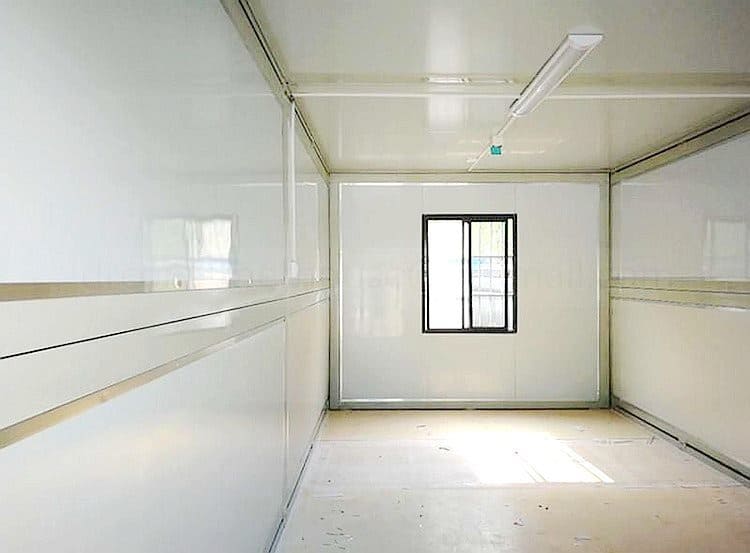
Rockwool (Mineral Wool) Insulation
Rockwool insulation is highly valued for:
- Fire resistance
- Soundproofing
- Acoustic comfort
Advantages:
- Class A fire rating
- Excellent sound absorption
- High-temperature resistance
Challenges:
- Absorbs moisture if not protected
- Requires vapor barriers
- Needs proper moisture control
Rockwool is commonly used in:
- Wildfire-prone regions
- Urban container homes
- Multi-container modular buildings
Spray Polyurethane Foam (SPF)
Spray foam insulation creates one of the most airtight insulation systems available.
It is applied as a liquid that expands into foam, filling:
- Gaps
- Corners
- Corrugated steel cavities
Benefits:
- Eliminates thermal bridging
- Creates airtight seals
- Excellent vapor resistance
- Superior thermal performance
SPF is ideal for:
- Extreme climates
- Custom luxury projects
- Maximum energy efficiency
Strategy 2 – Internal vs External Insulation
After selecting insulation materials, the next decision is where to install them.
Internal Insulation
Internal insulation preserves the original industrial appearance of shipping containers.
Advantages:
- Lower installation cost
- Easier construction
- Maintains exterior container aesthetics
Drawbacks:
- Reduces interior space
- Creates potential thermal bridges
Most interior insulation systems reduce room width by approximately 5–10 cm per wall.
External Insulation
External insulation wraps the container in a continuous thermal barrier.
Advantages:
- Eliminates thermal bridging
- Protects steel from weather exposure
- Reduces expansion and contraction
- Extends container lifespan
Drawbacks:
- Alters the container appearance
- Requires exterior cladding systems
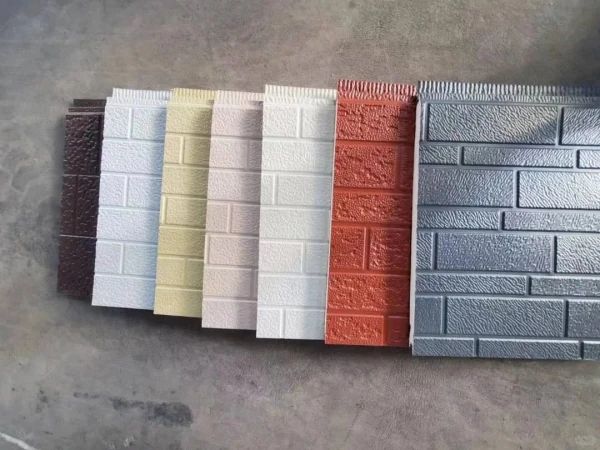
Popular cladding materials include:
- Timber
- Fiber cement
- Metal panels
Strategy 3 – Proper Installation Is Critical
Even the best insulation materials fail if installed incorrectly.
Step 1 – Surface Preparation
Before insulation installation:
- Clean steel surfaces thoroughly
- Remove rust
- Repair damaged coatings
- Apply rust-resistant primer
This prevents hidden corrosion behind insulation layers.
Step 2 – Build Structural Framing
Use:
- Wood framing
- Light steel framing
- Thermal break materials
to reduce heat transfer through structural connections.
Step 3 – Install Utilities First
Electrical wiring, plumbing, and data systems should be installed before insulation.
Retrofitting utilities later becomes expensive and disruptive.
Step 4 – Install the Insulation System
Installation methods vary:
- Rigid panels are glued or mechanically fixed
- Spray foam is directly applied by professionals
Proper sealing is essential.
Step 5 – Add Vapor Barriers
Vapor barriers prevent warm indoor air from reaching cold steel surfaces.
Without vapor barriers:
- Condensation forms
- Moisture accumulates
- Corrosion develops
Every seam, corner, and penetration must be sealed carefully.
Strategy 4 – Customize Insulation Based on Climate
There is no universal insulation solution for every climate.
Tropical and Coastal Regions
The biggest challenge is humidity.
Recommended solutions:
- XPS insulation
- PU panels
- Foil-faced reflective barriers
- High-performance vapor barriers
Cold and High-Altitude Regions
Cold climates require:
- Thick insulation layers
- Airtight construction
- Reduced thermal bridging
Spray foam combined with PU panels works extremely well.
Desert Environments
Deserts experience:
- Extreme daytime heat
- Rapid nighttime cooling
Effective strategies include:
- Reflective roofing
- Exterior shading
- Ventilated roof systems
- Combined thermal and reflective insulation
Strategy 5 – Roof and Floor Insulation
Many container home owners focus only on walls and forget the roof and floor.
This is a major mistake.
Roof Insulation
The roof receives direct solar radiation for long periods.
Without proper insulation, the interior overheats rapidly.
Effective Roof Insulation Methods
Popular solutions include:
- Reflective roof coatings
- Green roofs
- PU roof panels
- Ventilated roofing systems
Green roofs also improve:
- Stormwater management
- Thermal stability
- Exterior aesthetics
Floor Insulation
Steel floors transfer cold temperatures directly into the living space.
This creates:
- Cold floors
- Heat loss
- Reduced comfort
Best Floor Insulation Solution
XPS rigid foam boards are commonly installed:
- Between the base frame and floor
- Beneath the container foundation
- Inside raised floor systems
This significantly improves energy efficiency.
Common Container Home Insulation Mistakes
Avoid these common issues:
- Ignoring vapor barriers
- Using low-quality materials
- Failing to seal gaps
- Poor ventilation planning
- Neglecting roof insulation
- Improper moisture control
These mistakes can lead to:
- Mold growth
- Condensation
- Corrosion
- High HVAC costs
FAQ – Container Home Insulation
What is the best insulation for container homes?
PU/PIR panels and spray foam insulation are generally considered the best options due to their high thermal performance and moisture resistance.
Why do container homes need vapor barriers?
Steel walls create condensation risks. Vapor barriers prevent moisture buildup and internal corrosion.
Is spray foam insulation good for shipping container homes?
Yes. Spray foam creates airtight insulation and eliminates thermal bridging.
Should container homes use internal or external insulation?
Both methods work, but external insulation provides better thermal performance and protects the steel structure.
What insulation works best in hot climates?
Reflective insulation combined with PU panels or XPS performs very well in hot climates.
Does insulation reduce noise inside container homes?
Yes. Materials like Rockwool and spray foam significantly improve sound insulation.
Conclusion
Insulation is one of the most important investments in any container home project.
The right insulation system improves:
- Comfort
- Energy efficiency
- Structural durability
- Moisture control
- Long-term maintenance costs
Whether you are building:
- A prefab container house
- A luxury modular villa
- A shipping container office
- A remote modular cabin
choosing the correct insulation strategy is essential for long-term performance.
By combining:
- High-quality insulation materials
- Proper installation
- Climate-specific design
- Effective vapor control
you can transform a steel container into a highly comfortable, energy-efficient modern living space.