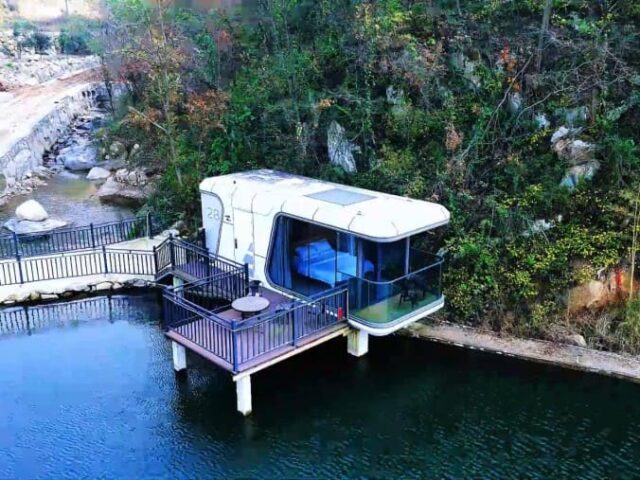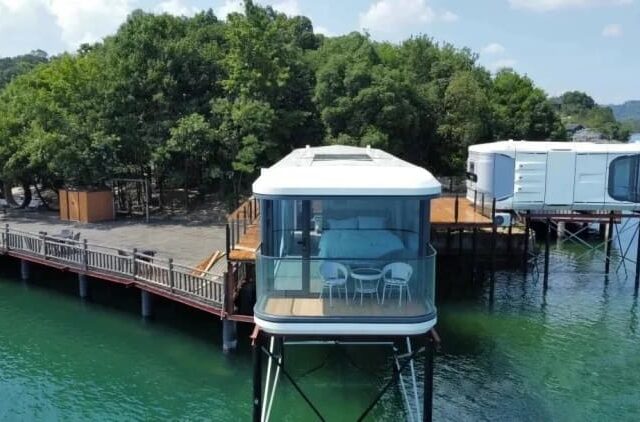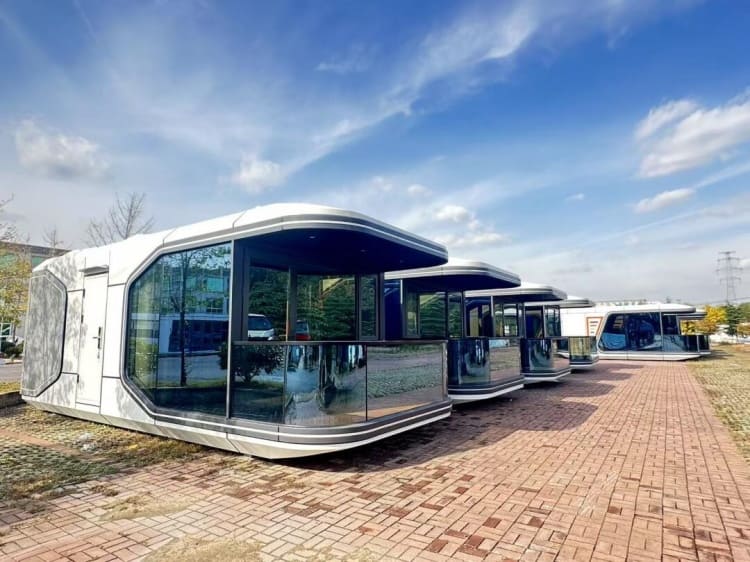
When planning tiny houses for a resort or glamping project, furnishing decisions matter more than ever. With limited space and frequent guest turnover, every piece of furniture must be functional, durable, and thoughtfully chosen.
You may be asking: How do I create a space that feels comfortable, practical, and welcoming for guests—without overcrowding it?
This guide walks you through layout planning, furniture selection, interior design, maintenance, and budgeting, helping you create guest-friendly tiny homes that perform well long-term and enhance the overall hospitality experience.
1. Understand the Needs of Resort and Glamping Tiny Homes
Furnishing a hospitality-focused tiny house is very different from furnishing a personal residence. Guest preferences vary, usage is frequent, and durability becomes critical.
Key considerations:
-
Durability first: Choose materials that resist wear, scratches, and moisture.
-
Easy maintenance: Smooth, wipeable surfaces allow fast turnover between guests.
-
Guest-friendly layouts: Furniture should never block walkways or access to storage, beds, or seating.
Because prefab and modular tiny homes have limited square footage, planning every corner carefully ensures the space feels open, practical, and welcoming.
2. Plan Effective Layouts and Functional Zones
Smart layout planning is the foundation of a successful tiny hospitality unit.
Best practices:
-
Create clear zones: Separate areas for sleeping, relaxing, dining, and storage
-
Use vertical space: Wall-mounted shelves, tall cabinets, and overhead storage keep floors clear
-
Add built-in features: Benches, under-bed storage, and wall units maximize usability
-
Keep pathways open: Guests should move comfortably without obstruction
-
Organize by function: Each zone should serve one clear purpose
A well-planned layout improves comfort and simplifies daily guest activities.
3. Choose the Right Furniture for Small Hospitality Units
Furniture in resort and glamping tiny houses must balance comfort, durability, and efficiency.
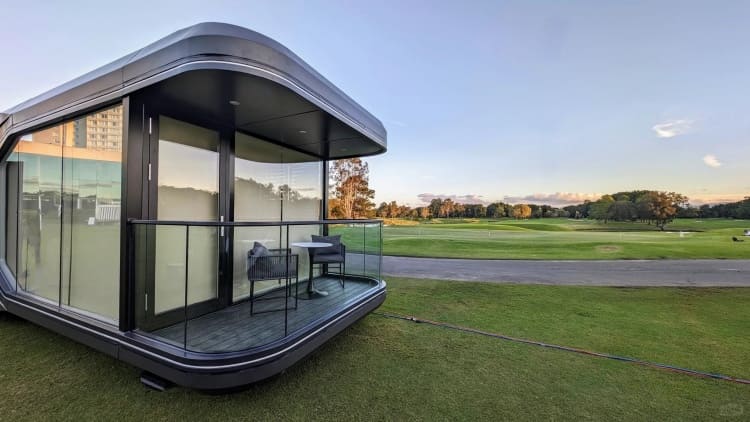
Furniture selection tips:
-
Use multifunctional furniture
Fold-down tables, convertible benches, and under-bed storage save space. -
Choose durable, easy-to-clean materials
Furniture must handle frequent use and regular cleaning. -
Balance comfort with maintenance
Comfortable seating and beds should also be long-lasting. -
Select lightweight, movable pieces
Easier rearrangement and faster cleaning improve operations. -
Integrate storage into furniture
Drawers, hidden compartments, and wall shelves reduce clutter. -
Size furniture appropriately
Oversized furniture makes spaces feel cramped—right-sizing is essential.
4. Create a Cozy and Spacious Interior Look
Design choices play a huge role in how guests feel inside a tiny space.
Design strategies:
a) Use light or neutral color palettes
Light colors make small interiors feel brighter and more spacious.
b) Add simple décor, warm lighting, and natural textures
Wood, cotton, and soft lighting create warmth without clutter.
c) Avoid clutter
Choose minimal but high-impact décor—every item should serve a purpose.
d) Use mirrors and lighting strategically
Mirrors reflect light and visually expand the space.
e) Maintain a welcoming atmosphere
Balance color, lighting, and materials to encourage relaxation.
f) Add small personal touches
Plants, artwork, or storage baskets enhance guest experience and memorability.
5. Prioritize Maintenance, Cleaning, and Long-Term Use
In hospitality environments, easy maintenance equals lower operating costs.
-
Choose fabrics and surfaces that are quick to clean
-
Invest in sturdy furniture that withstands repeated use
-
Plan for future upgrades or replacements
-
Select modular or standardized furniture for flexibility
This approach keeps units fresh, safe, and guest-ready over time.
6. Budgeting and Practical Procurement Tips
Furnishing costs can add up quickly if not planned carefully.
Smart budgeting tips:
-
Calculate total furnishing cost
Include delivery, installation, and potential replacements. -
Standardize furniture across units
Simplifies sourcing, cleaning, and maintenance. -
Focus on long-lasting products
Lower replacement frequency reduces long-term costs. -
Plan bulk purchases
Buying in volume often reduces unit costs. -
Prioritize easy sourcing and replacement
Quick replacements keep units operational and guest-safe.
Conclusion
Furnishing tiny houses for resorts and glamping requires strategic planning, smart furniture choices, and long-term thinking. By optimizing layouts, selecting durable and multifunctional furnishings, and prioritizing maintenance and budgeting, you can create comfortable, efficient, and guest-friendly spaces.
Well-designed tiny hospitality units not only enhance guest satisfaction but also reduce operational costs—making them a sustainable and profitable investment for resort and glamping projects.