Tourism is evolving rapidly. Today’s travelers no longer want standard hotel rooms or crowded resorts. Instead, they seek immersive experiences that connect them with nature, local culture, and unique architecture.
This shift is changing how tourism destinations are designed and developed.
For developers, however, the challenge is clear:
How do you build accommodations in remote, protected, or environmentally sensitive areas without damaging the landscape?
The answer increasingly lies in capsule houses and modular hospitality units.
These innovative structures combine:
- Sustainable construction
- Flexible installation
- Modern comfort
- Unique guest experiences
As a result, capsule homes are becoming one of the most important trends in eco-tourism and resort development.
In this guide, we explore how capsule houses help developers create profitable and unforgettable tourism destinations while protecting the natural environment.
The Rise of Experiential Tourism
Modern travelers value experiences more than traditional luxury.
Instead of simply booking a hotel, guests now look for:
- Nature immersion
- Unique architecture
- Privacy and tranquility
- Sustainable accommodations
- Instagram-worthy destinations
This trend has fueled the growth of:
- Eco resorts
- Glamping destinations
- Mountain retreats
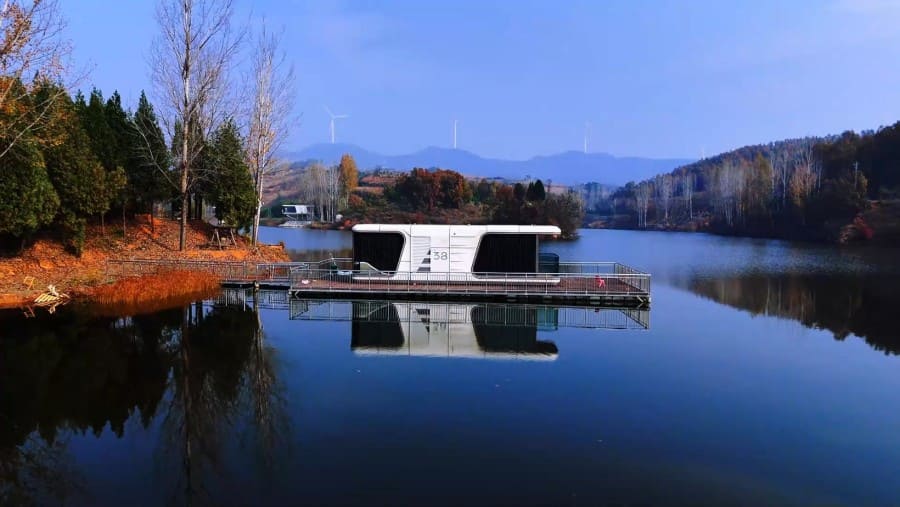
- Coastal capsule resorts
- Forest cabins
Because of this shift, developers are redesigning tourism projects around the guest experience rather than large-scale hotel infrastructure.
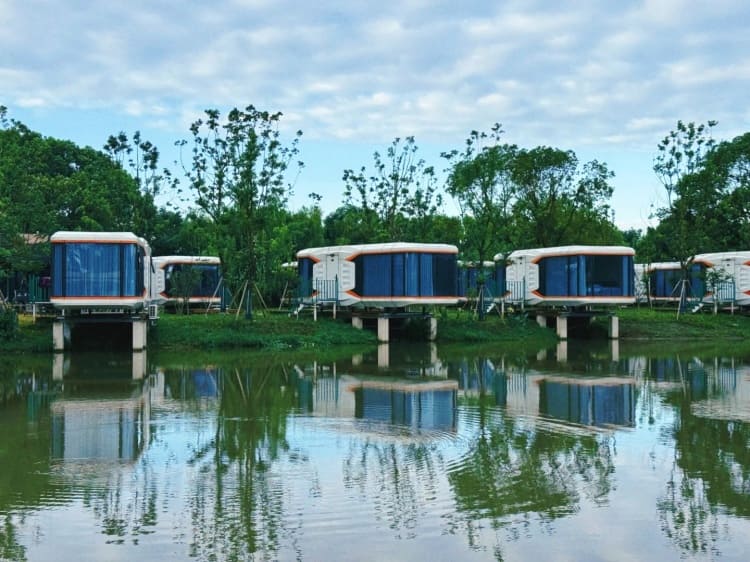
1. Planning Tourism Destinations Around Nature
The natural environment should always be the center of tourism planning.
In many destinations, the landscape itself is the main attraction. Mountains, forests, beaches, lakes, and deserts are what bring visitors to the area.
Successful tourism developers understand that protecting nature is not only environmentally responsible—it is also commercially smart.
Start With the Landscape
Before construction begins, developers must carefully evaluate:
- Terrain
- Vegetation
- Water sources
- Wildlife zones
- Natural viewpoints
Instead of forcing the land to fit the project, modern eco-tourism projects adapt to the natural environment.
This approach preserves the beauty that attracts tourists in the first place.
Protect Scenic Views
Guests travel long distances to enjoy beautiful scenery.
Large hotels often block views and disrupt the natural atmosphere. In contrast, small modular units can be distributed across the landscape with minimal visual impact.
This creates:
- Better privacy
- More peaceful environments
- Stronger guest connection with nature
Design That Blends With Nature
Architecture should complement the environment.
For example:
- Wooden cabins suit forests
- Minimalist pods suit mountains
- Coastal capsule homes suit beach resorts
When accommodations harmonize with nature, the entire destination feels more authentic and relaxing.
Why Smaller Accommodation Units Work Better
Large hotels often dominate the landscape.
Small stand-alone units, however, offer several advantages:
- Lower environmental impact
- Greater guest privacy
- Easier expansion
- More flexible layouts
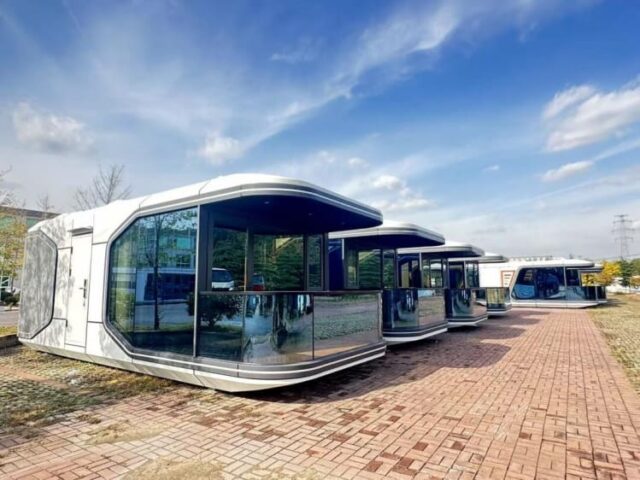
Capsule houses allow developers to spread accommodations naturally across the site without excessive land modification.
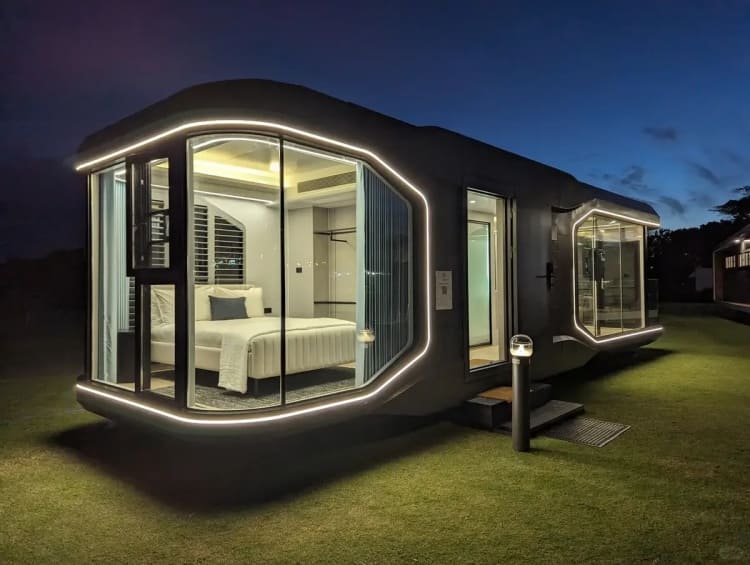
2. Why Modular Construction Is Changing Tourism Development
Traditional hotel construction is expensive, slow, and highly disruptive.
In remote areas, these challenges become even more difficult due to:
- Limited road access
- Difficult terrain
- Environmental regulations
- Weather conditions
This is why modular construction is rapidly becoming the preferred solution.
Faster Construction Timelines
Capsule houses are manufactured off-site in controlled factory environments.
This allows:
- Simultaneous site preparation and manufacturing
- Faster project completion
- Better quality control
Instead of spending years building a resort, developers can launch operations much sooner.
Reduced On-Site Construction
Traditional construction often damages the environment through:
- Heavy machinery
- Excavation
- Noise pollution
- Construction waste
Modular units reduce these impacts significantly because most construction happens in the factory.
Better Budget Control
Factory-based manufacturing provides:
- Predictable production schedules
- Stable material usage
- Reduced labor costs
As a result, developers experience fewer delays and better financial control.
Higher Construction Quality
Controlled factory production improves:
- Precision
- Structural consistency
- Weather resistance
- Interior finish quality
This ensures a better long-term guest experience.
3. Building Resorts in Difficult or Protected Locations
Many of the world’s most attractive tourism locations are difficult to build in.
Examples include:
- Mountain regions
- Islands
- Forest reserves
- Coastal cliffs
- Desert landscapes
Traditional hotel construction in these locations is often impractical.
Capsule Houses Are Easier to Transport
Because capsule houses are modular and compact:
- They can be transported in sections
- Require less heavy equipment
- Need smaller foundations
This makes installation easier in remote areas.
Lower Environmental Impact
Capsule homes preserve:
- Trees
- Natural slopes
- Water systems
- Wildlife habitats
This is especially important in eco-tourism zones with strict environmental regulations.
Flexible Placement on Uneven Terrain
Unlike traditional buildings, modular units can adapt to:
- Hillsides
- Forest clearings
- Coastal elevations
This flexibility helps developers create unique layouts without major land alteration.
4. Turning Accommodation Into Part of the Tourist Experience
Today, accommodation itself is part of the attraction.
Guests remember extraordinary stays far more than ordinary hotel rooms.
Architecture Becomes an Experience
Unique architecture creates emotional connections.
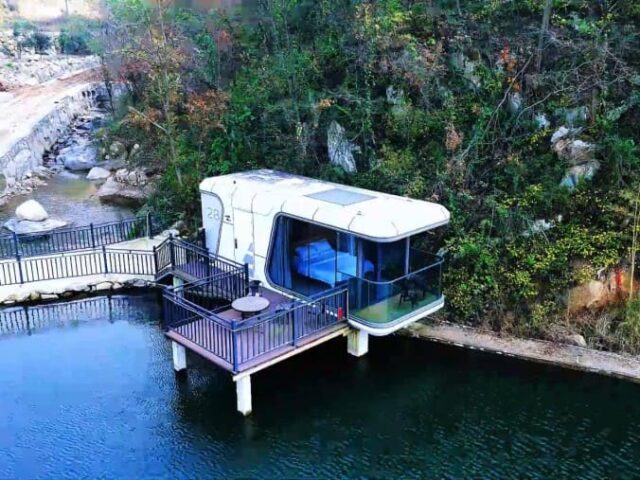
Capsule houses offer:
- Futuristic aesthetics
- Minimalist luxury
- Nature-integrated design
These features transform accommodations into memorable experiences.
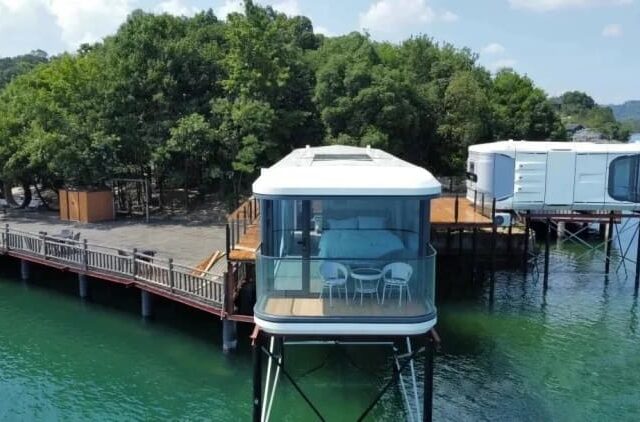
Panoramic Windows Connect Guests With Nature
Large glass windows allow guests to enjoy:
- Sunrise views
- Forest scenery
- Ocean landscapes
- Mountain sunsets
This strengthens the sense of immersion.
Privacy Improves Guest Satisfaction
Standalone capsule units provide:
- Quiet environments
- Private outdoor space
- Personalized experiences
Modern travelers increasingly prefer privacy over crowded resorts.
Social Media Visibility
Unique accommodations generate free marketing through:
- Instagram posts
- TikTok videos
- YouTube travel content
Visually striking capsule resorts naturally attract online attention.
5. Expanding Tourism Resorts Over Time
One major advantage of capsule houses is scalability.
Start Small and Expand Gradually
Developers can begin with a limited number of units to:
- Test market demand
- Control investment risk
- Improve operational planning
Later, additional units can be added as occupancy increases.
Expansion Without Disrupting Guests
Traditional resort expansion often creates:
- Noise
- Dust
- Operational interruptions
Modular capsule units can be installed with minimal disruption.
Flexible Long-Term Development
Developers can gradually expand into new areas while maintaining:
- Natural beauty
- Guest comfort
- Resort atmosphere
This creates sustainable long-term growth.
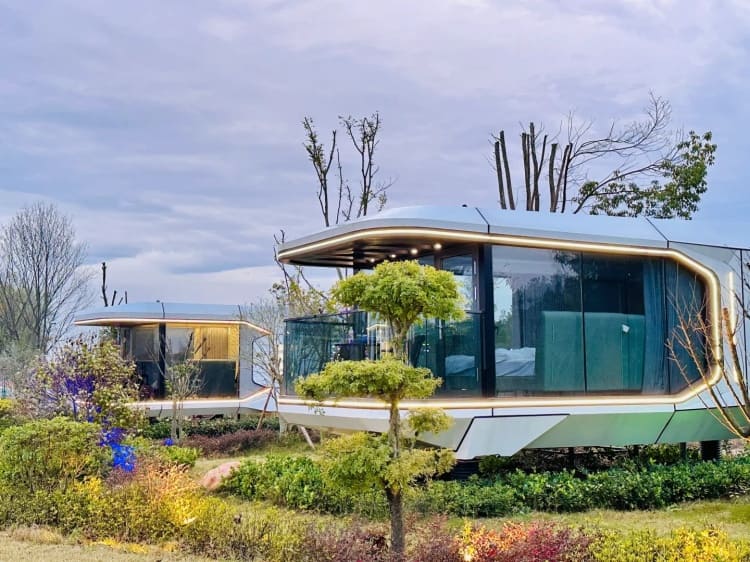
6. Why Capsule Houses Are a Long-Term Tourism Strategy
Capsule houses are not simply a design trend.
They represent a long-term solution for the future of tourism.
Growing Demand for Eco-Tourism
Modern travelers increasingly prioritize:
- Sustainability
- Environmental responsibility
- Low-impact accommodations
Capsule homes align perfectly with these expectations.
Flexible Investment Model
Developers benefit from:
- Lower construction risk
- Faster ROI
- Easier expansion
- Adaptable resort planning
Suitable for Multiple Tourism Markets
Capsule houses work well for:
- Eco resorts
- Glamping parks
- Luxury retreats
- Adventure tourism
- Coastal tourism projects
Sustainable Tourism Development
Capsule homes support sustainable tourism through:
- Reduced waste
- Lower energy consumption
- Smaller land disturbance
- Efficient modular construction
This makes them increasingly attractive to governments and eco-conscious investors.
FAQ – Capsule Houses for Tourism Development
What are capsule houses in tourism?
Capsule houses are modular accommodation units designed for eco-tourism resorts, glamping sites, and modern hospitality projects.
Why are capsule houses popular in eco-tourism?
They have low environmental impact, fast installation, and modern designs that blend with natural landscapes.
Can capsule houses be installed in remote areas?
Yes. Their modular design allows transportation and installation in mountains, forests, islands, and other difficult locations.
Are capsule houses profitable for resort developers?
Yes. They reduce construction costs, speed up project completion, and attract experience-focused travelers.
How long does modular resort construction take?
Modular construction is significantly faster than traditional hotel construction because most manufacturing happens off-site.
Are capsule homes environmentally friendly?
Yes. They reduce construction waste, minimize land damage, and support sustainable tourism development.
Can tourism resorts expand over time with capsule houses?
Absolutely. Modular units can be added gradually as tourism demand increases.
Conclusion
Tourism is moving toward immersive, sustainable, and experience-driven travel.
Capsule houses provide developers with a powerful solution for building modern tourism destinations that combine:
- Comfort
- Sustainability
- Flexibility
- Memorable guest experiences
Their modular design allows faster construction, lower environmental impact, and easier expansion over time.
As eco-tourism and experiential travel continue to grow, capsule houses are becoming far more than a temporary trend—they are a long-term strategy for the future of hospitality development.