Prefabricated houses come in various structural systems, each designed to meet different performance, climate, and budget requirements. Choosing the right structure is essential for durability, safety, energy efficiency, and long-term value.
This guide explains the most common prefabricated home structural types, including lightweight steel, wood, concrete, and container-based systems.
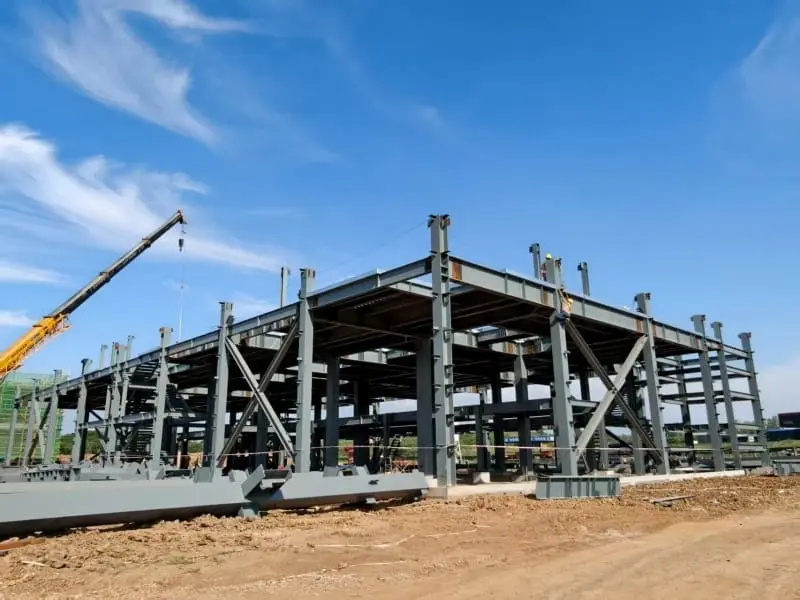
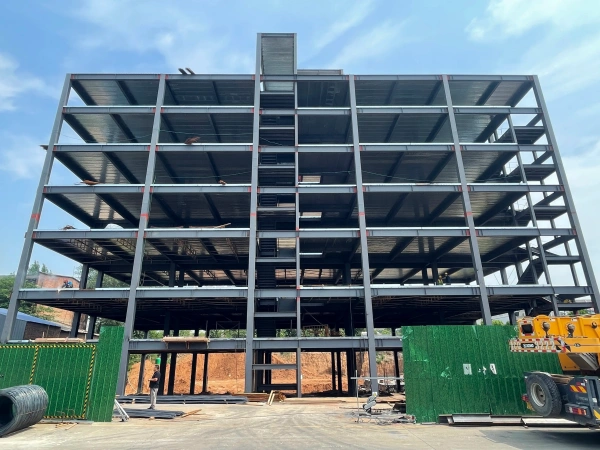
1. Lightweight Steel Structure Prefabricated Homes
Lightweight steel structures are among the most widely used systems in modern prefabricated construction.
Key Features
Made primarily of light gauge steel
High strength-to-weight ratio
Fast construction and assembly
Factory precision manufacturing
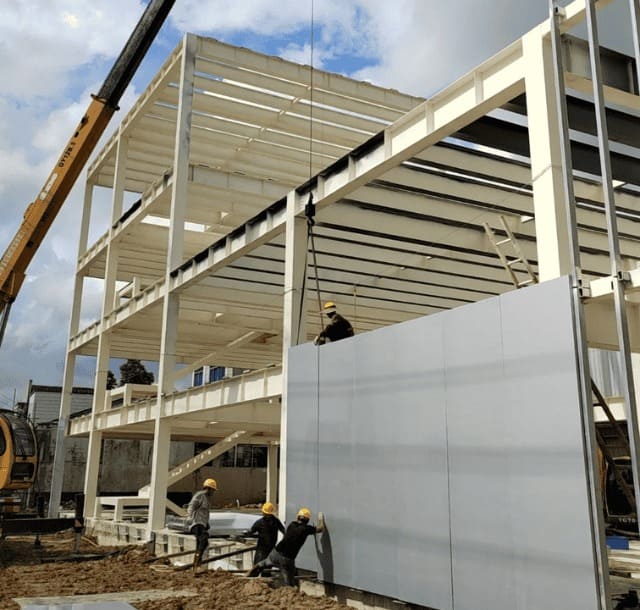
The steel components are specially treated for corrosion resistance, making them suitable for diverse climates and environmental conditions.
Advantages
Excellent seismic performance
Flexible interior layout customization
Long service life
Reduced structural weight
Due to their strong earthquake resistance, light steel prefabricated houses effectively minimize structural damage during seismic events.
These systems are ideal for residential communities, modular villas, and multi-unit housing projects.
2. Wooden Structure Prefabricated Houses
Wooden prefabricated homes are valued for their natural aesthetics and environmental friendliness.
Key Characteristics
Constructed primarily from natural timber
Renewable and eco-friendly material
Warm and comfortable living atmosphere
Wood has natural elasticity and toughness, allowing it to absorb and dissipate energy—providing a buffering effect during vibrations.

Benefits
Excellent thermal insulation performance
Energy-efficient living environment
Relatively simple construction process
Strong design flexibility
However, wooden structures require:
Moisture-proof treatment
Fire-retardant processing
Insect and pest protection
With proper treatment, wooden prefab homes can achieve long service life and stable performance.
3. Concrete Structure Prefabricated Houses
Concrete prefabricated houses are assembled using factory-produced concrete components.
Structural Advantages
High durability
Excellent fire resistance
Strong load-bearing capacity
Superior structural stability
Concrete systems are particularly suitable for:
Multi-story buildings
High-rise prefabricated housing
Projects requiring heavy structural loads
The strong integrity of concrete structures provides residents with a safe and reliable living environment, especially in urban developments.
4. Container Structure Prefabricated Homes
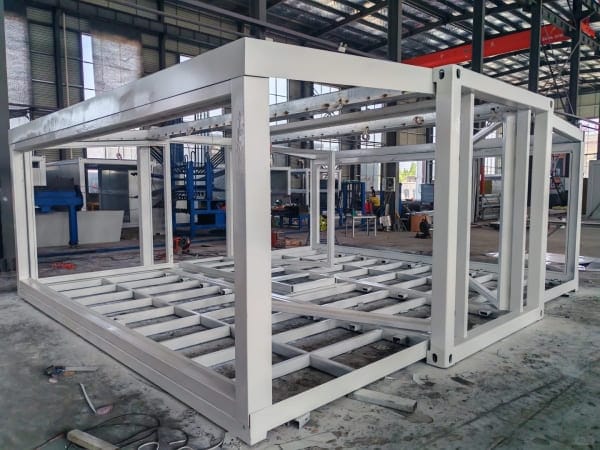
Container-based prefabricated homes are built using repurposed shipping containers or custom-manufactured modular units.
Core Features
Modular and standardized design
Easy transportation
Rapid installation
Flexible combination and expansion
Advantages
High structural strength
Resistance to wind and impact
Adaptability to harsh weather conditions
Creative spatial layout options
Container homes can be stacked, combined, or modified to meet diverse functional requirements, making them popular for:
Temporary housing
Resorts and eco-lodges
Commercial spaces
Emergency housing
How to Choose the Right Prefabricated Structure
When selecting a prefabricated structural system, consider:
Local climate conditions
Seismic activity
Budget constraints
Energy efficiency goals
Intended building height
Long-term maintenance requirements
Each structural type offers distinct advantages, and the best choice depends on project needs and environmental factors.
Conclusion
Prefabricated houses are available in multiple structural systems, including lightweight steel, wood, concrete, and container-based designs.
Light steel structures provide strength, flexibility, and seismic resistance.
Wooden structures offer sustainability and thermal efficiency.
Concrete systems deliver durability and load-bearing capacity.
Container structures emphasize modularity and rapid deployment.
Understanding the characteristics of each type allows developers and homeowners to select the most suitable solution for safety, performance, and long-term value.