Skip to content
Material selection plays a critical role in the durability, safety, energy efficiency, and long-term value of a prefabricated home. From structural systems to roofing and windows, each component must balance strength, insulation performance, cost, and environmental impact.
This guide explores the key materials used in modern prefabricated homes and how to choose the right options based on climate, performance requirements, and sustainability goals.
1. Structural Materials for Prefabricated Homes
The structural system determines the strength and stability of the entire building.
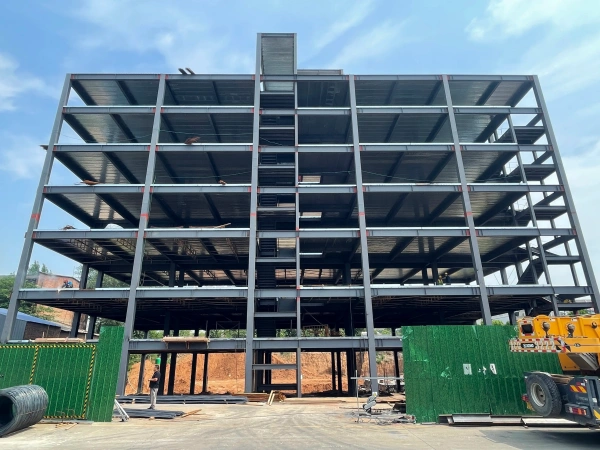
Steel Structure
Steel is widely used in steel-frame prefabricated homes due to its:
-
High strength and load-bearing capacity
-
Excellent toughness and seismic resistance
-
Superior workability and precision fabrication
-
Suitability for large-span and multi-story buildings
Steel structures provide long-term durability and are ideal for modular construction projects requiring fast installation and structural reliability.
Wood Structure
Wood offers:
-
Natural aesthetic appeal
-
Excellent thermal insulation properties
-
Lightweight construction advantages
However, proper treatment is essential to ensure:
-
Fire resistance
-
Anti-corrosion performance
-
Pest protection
Wood structures are particularly popular in residential and eco-friendly prefabricated housing projects.
2. Wall Materials: Insulation and Installation Efficiency
Wall systems directly affect energy efficiency and comfort.
Lightweight Bricks
Lightweight bricks provide:
-
Strong sound insulation
-
Good thermal insulation
-
Reduced structural weight
-
Easier transportation and installation
They are suitable for residential modular buildings where energy efficiency and noise control are priorities.
Sandwich Panels
Sandwich panels consist of:
-
Two metal outer sheets
-
An insulated core (such as PU, EPS, or rock wool)
Key advantages include:
-
Excellent thermal insulation
-
Strong fire resistance
-
Fast installation
-
Factory-controlled quality
These panels are widely used in modern prefabricated and modular buildings due to their efficiency and consistent performance.
3. Roofing Materials: Waterproofing and Durability
Roof materials must provide weather resistance while maintaining aesthetic appeal.
Color-Coated Steel Sheets
Color-coated steel roofing offers:
-
Strong waterproof performance
-
Corrosion resistance
-
Long service life
-
Wide range of color options
It is particularly suitable for industrial-style and modern prefabricated homes.
Asphalt Shingles
Asphalt shingles provide:
-
High flexibility
-
Reliable waterproofing
-
Compatibility with complex roof shapes
They are commonly used in residential prefabricated homes where appearance and adaptability are important.
4. Doors and Windows: Energy Efficiency Matters
Doors and windows significantly influence indoor comfort and energy consumption.
Thermal Break Aluminum Alloy Windows
These systems feature insulated frames that:
-
Reduce heat transfer
-
Improve airtightness
-
Enhance sound insulation
-
Increase energy efficiency
They are ideal for high-performance modular homes.
Plastic-Steel (uPVC) Doors and Windows
Plastic-steel windows offer:
-
Cost-effective pricing
-
Good thermal insulation
-
Low maintenance requirements
They are suitable for budget-conscious projects while still delivering solid performance.
5. Environmental and Health Considerations
Modern prefabricated homes must prioritize sustainability.
When selecting materials, ensure they:
-
Meet environmental protection standards
-
Contain low VOC emissions
-
Comply with green building regulations
-
Protect indoor air quality
Eco-friendly material choices improve occupant health and support sustainable construction practices.

6. Climate-Based Material Selection
Climate plays a decisive role in material performance.
Cold Regions
Focus on:
-
High-performance insulation
-
Thermal bridge prevention
-
Energy-efficient windows
Rainy or Humid Areas
Prioritize:
-
Waterproof roofing
-
Corrosion-resistant structural materials
-
Moisture-resistant wall systems
Hot Climates
Choose materials with:
-
Reflective roofing
-
Ventilated wall systems
-
Effective thermal insulation
Matching materials to local climate conditions ensures long-term durability and energy efficiency.
Conclusion
Selecting materials for a prefabricated home requires balancing structural strength, insulation performance, environmental safety, cost, and climate adaptability.
Steel and wood structures offer different advantages depending on project scale and design goals. Sandwich panels and lightweight bricks improve insulation and installation efficiency. Roofing and window systems directly affect waterproofing, durability, and energy performance.
By carefully evaluating structural, environmental, and regional factors, developers and homeowners can build prefabricated homes that are safe, energy-efficient, and long-lasting.