Skip to content
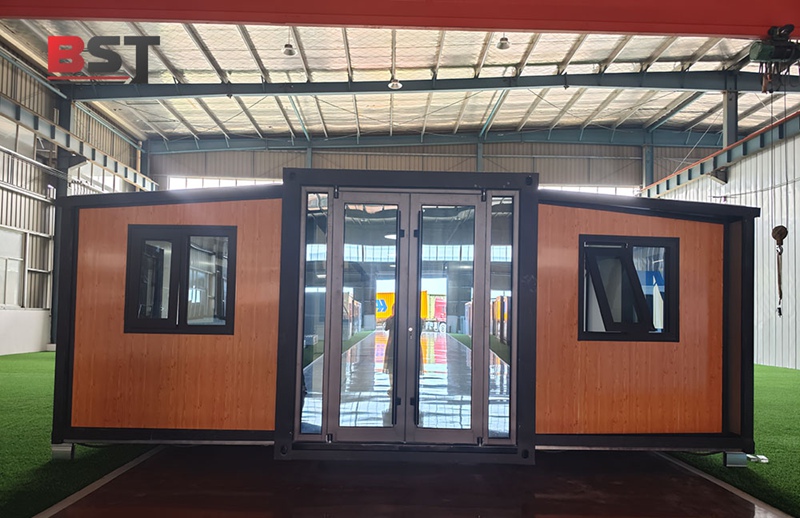
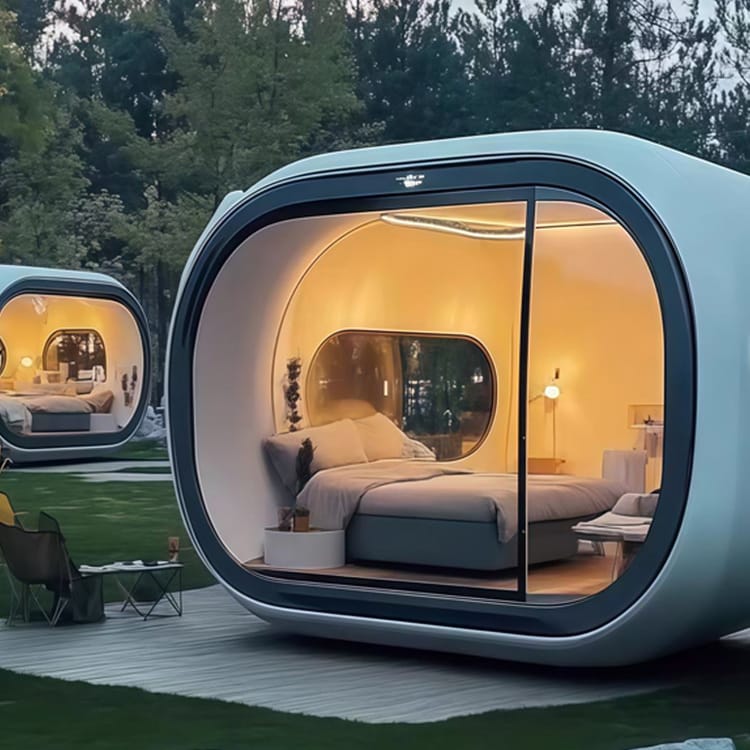
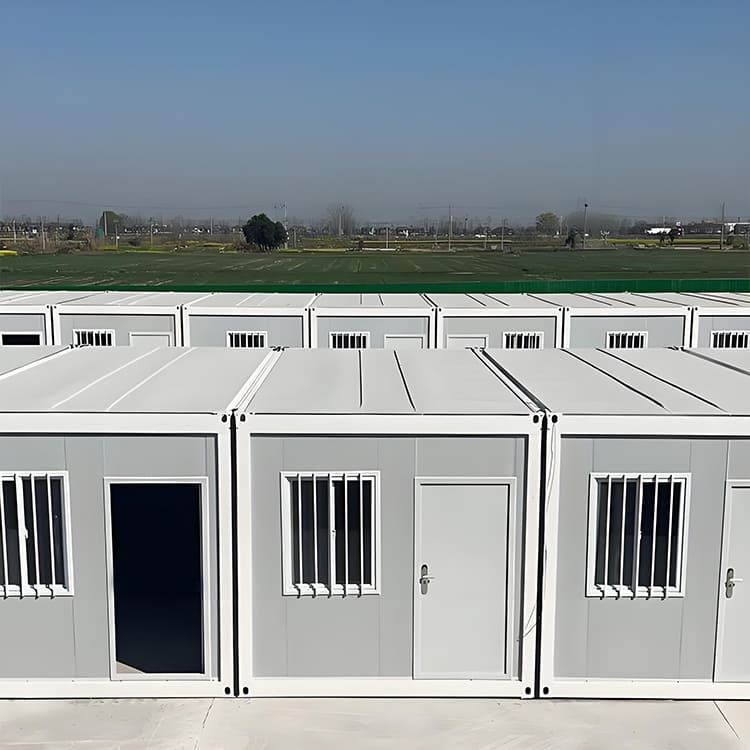
Container homes are no longer just short-term or temporary structures. Many homeowners are now considering container homes for long-term living, attracted by their affordability, modern design, and modular construction.
But is a container home truly suitable for long-term residence? This article explores the real advantages and disadvantages of living in a container home over many years.
Advantages of Living in a Container Home
1. Lower Construction and Ownership Costs
One of the biggest advantages of container homes is cost efficiency. Compared to traditional houses, container homes often require:
-
Less construction time
-
Lower material costs
-
Reduced labor expenses
This makes long-term ownership more accessible, especially for first-time buyers.
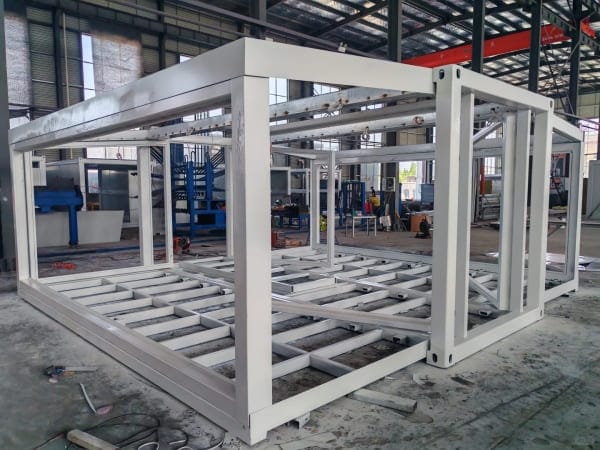
2. Strong and Durable Steel Structure
Shipping containers are built from high-strength weathering steel, designed to withstand harsh marine environments. When properly treated:
-
Structural integrity remains stable
-
The home resists wind and seismic forces
-
Lifespan can reach 35–50 years
This durability makes container homes suitable for many climates.
3. Fast Construction and Expansion
[Image Suggestion: Modular container home expansion layout]
Container homes can be produced and installed quickly. In addition, they allow:
-
Easy expansion by adding modules
-
Vertical stacking (where permitted)
-
Future layout adjustments
This flexibility is ideal for growing families or changing needs.
4. Sustainable and Eco-Friendly Living
Container homes reuse existing steel structures, reducing construction waste. When combined with:
-
Energy-efficient insulation
-
Solar panels
-
Smart climate systems
They can support a low-carbon, sustainable lifestyle.
Disadvantages of Living in a Container Home

1. Insulation and Temperature Control Challenges
Steel conducts heat and cold easily. Without proper insulation, container homes may:
-
Overheat in summer
-
Lose heat in winter
-
Require higher energy use
High-quality insulation and ventilation systems are essential for long-term comfort.
2. Limited Interior Space
Standard containers have fixed dimensions. Long-term living may feel restrictive if:
-
Storage is poorly planned
-
Furniture is not customized
-
Layout optimization is ignored
Smart design is necessary to maintain comfort over time.
3. Permit and Zoning Restrictions
Container homes may face:
-
Local zoning limitations
-
Design approval challenges
-
Neighborhood aesthetic restrictions
This can affect where and how long-term container homes are allowed.
4. Maintenance and Rust Prevention
Although durable, container homes still require:
-
Anti-corrosion treatments
-
Exterior inspections
-
Periodic repainting
Without maintenance, long-term durability may be reduced.
Is a Container Home Comfortable for Long-Term Living?
Yes—when properly designed.
Long-term comfort depends on:
-
Professional insulation systems
-
Natural lighting and ventilation
-
Thoughtful interior layouts
-
Regular maintenance
Well-designed container homes can provide comfort comparable to small traditional houses.
Who Should Consider a Container Home for Long-Term Living?
Container homes are ideal for:
-
Minimalist lifestyles
-
Eco-conscious homeowners
-
Remote or rural locations
-
Rental and investment properties
They may be less suitable for large families needing extensive indoor space.
Conclusion
Living in a container home long term offers affordability, durability, and sustainability, but it also comes with challenges such as insulation, space limitations, and maintenance needs.
For those willing to invest in proper design and upkeep, container homes can be a comfortable and rewarding long-term housing solution.