Skip to content
Both promise minimalism, mobility, and sustainable living — but capsule houses and tiny houses are built for very different purposes. Here’s how to tell them apart and choose the right one for your lifestyle or investment.
What Makes Them Different? A Quick Comparison
At first glance, capsule homes and tiny houses look similar — compact footprints, alternative living, off-grid potential. But their construction method, intended use, and market positioning are distinct. The table below captures the core differences:
| Feature | Capsule House | Tiny House |
|---|---|---|
| Build method | Factory prefabricated, delivered ready | Wood-framed, built on-site or on trailer |
| Frame material | Steel or aluminum with insulated panels | Timber, natural materials |
| Mobility | Semi-mobile (crane/trailer relocation) | High mobility — built on wheels |
| Interior style | Aerospace-inspired, maximally efficient | Home-like, domestic comfort |
| Durability | High — weather and climate resistant | Moderate — requires weatherproofing upkeep |
| Best use | Hospitality, glamping, eco-resorts | Personal living, nomadic lifestyle |
| Energy systems | Built-in insulation, HVAC, smart tech | Manual insulation, natural materials |
| Cost vs. traditional | Up to 70–80% less than standard builds | Lower upfront, higher maintenance |
Structure and Build Method
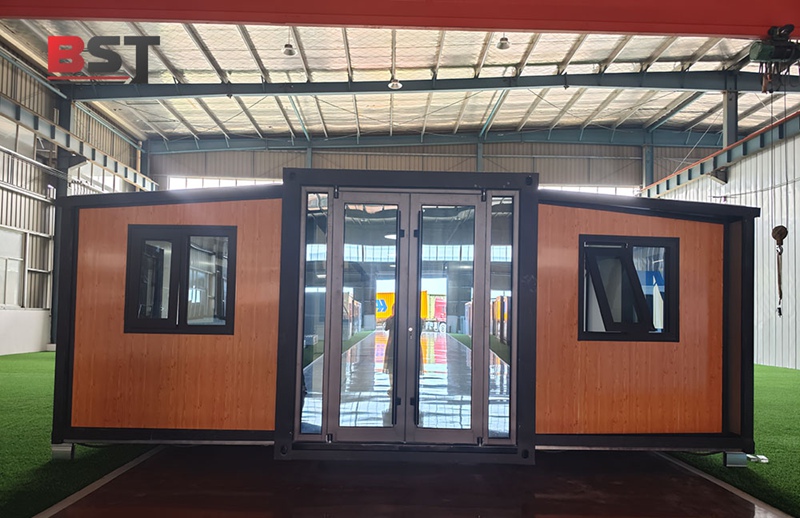
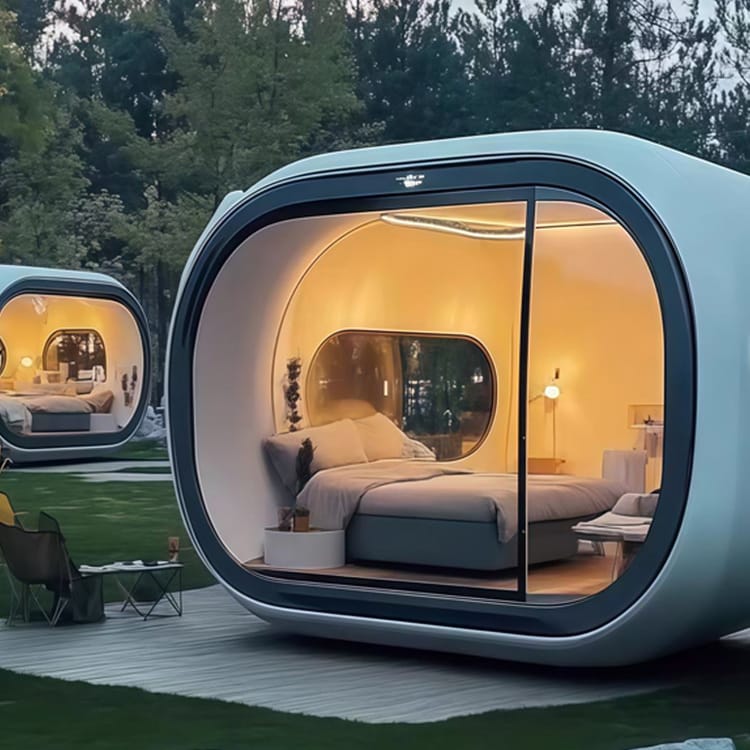
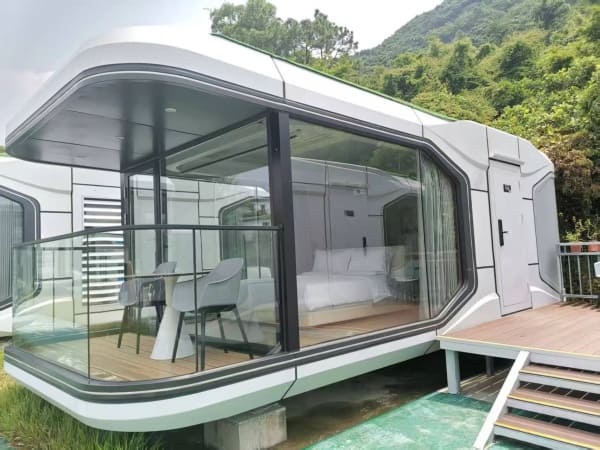
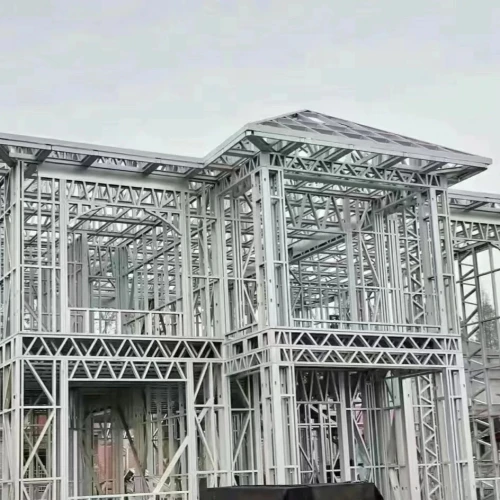
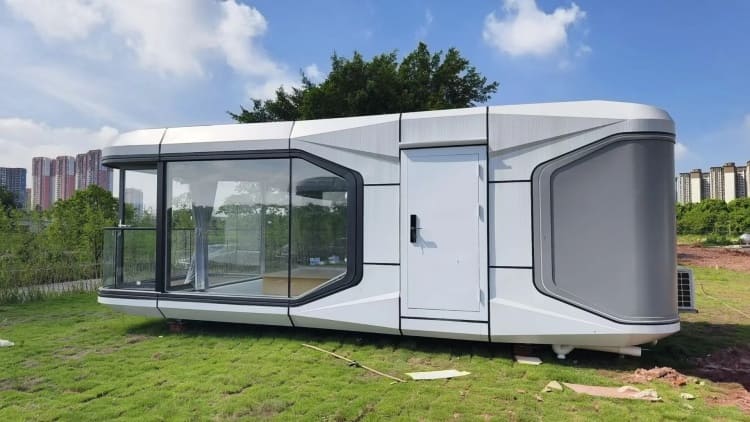
Capsule houses are prefabricated in factories and delivered as finished units — no construction crew, no extended build timeline. Their steel or aluminum frames with insulated composite panels give them structural strength, weather resistance, and the distinctive futuristic look that makes them stand out in hospitality and glamping settings.
Tiny houses are typically wood-framed and built manually — either on-site or on a flatbed trailer. They carry a warmer, more traditional “mini-home” aesthetic. That character is part of the appeal, but wood construction is less resilient in extreme weather conditions and demands more ongoing maintenance than engineered steel panels.
Mobility and Installation
Capsule homes are semi-mobile — they can be relocated using cranes or flatbed trailers, but they are fundamentally designed for stable, long-term placement. Their modular construction allows them to be installed on varied terrain: beachfronts, forested hillsides, mountain slopes. Once placed, they stay put and perform.
Tiny houses, by contrast, are engineered for movement. Built on wheels, they prioritize mobility over permanence — a natural fit for digital nomads, seasonal workers, and full-time travelers. The trade-off is real: trailer-mounted living limits insulation depth, usable square footage, and structural rigidity compared to site-placed capsule units.
For glamping investors and eco-resort operators, the capsule house’s semi-permanent placement is an advantage — guests want a premium experience anchored to a stunning location, not a home that looks like it might roll away.
Space Efficiency and Interior Design
Capsule homes take design cues from aerospace engineering. Every square foot is intentional — built-in beds with under-mattress storage, fold-flat tables, floor-to-ceiling windows that visually expand the space, and multifunctional layouts that make 96–240 sq ft feel surprisingly livable.
Tiny houses lean toward domestic comfort. They include kitchens, lofted bedrooms, and living areas designed to feel like a scaled-down traditional home. That warmth is genuine — but it often comes at the cost of raw space efficiency. A tiny house of the same footprint will typically feel more cluttered than a capsule unit with equivalent square footage.

Energy Efficiency and Long-Term Durability
Modern capsule homes are built with insulated glass panels, energy-efficient LED lighting, and climate-controlled HVAC systems. Many are solar-ready or solar-equipped at the factory. The result is year-round comfort with minimal maintenance — critical for hospitality operators who cannot afford downtime for repairs.
Tiny homes rely more heavily on manual insulation and natural materials — which makes them genuinely eco-friendly in their construction, but requires regular weatherproofing, re-sealing, and upkeep. Over a 5–10 year ownership period, that maintenance gap becomes a meaningful cost factor.
Who Is Each Option Best For?
Capsule houses are ideal for:
| Target Group | Value & Benefits |
|---|---|
| Hospitality Entrepreneurs | Perfect for glamping resorts, eco-hotels, and boutique retreats seeking Instagram-worthy, low-maintenance units |
| Campground & Retreat Owners | Space-efficient and easy to maintain, a smart upgrade from traditional cabins |
| Eco-Conscious Investors | Built with recyclable steel, solar-ready systems, and energy efficiency for true sustainability |
| Urban Singles & Couples | Affordable modern living in cities or off-grid — no long-term mortgage burden |
| Short-Term Residents | Ideal for students, digital nomads, and contract workers with fast setup and easy relocation |
| Minimalist Enthusiasts | Designed for intentional living, combining simplicity with modern comfort |
Tiny houses are ideal for:
Full-time nomads who need true road mobility, DIY builders seeking a hands-on homebuilding experience, and individuals who want a domestic, home-like feel on a very limited budget. They suit personal lifestyle projects more than commercial investment scenarios.
Key Advantages of Capsule Houses
| Advantage | Description |
|---|---|
| Efficient Space Use | Built-in storage, foldable furniture, and smart layouts make 96–240 sq ft fully functional for singles, couples, or small families |
| Cost-Effective Build | Save up to 70–80% vs. traditional construction; lower utility bills and durable steel reduce long-term ownership costs |
| Sustainable by Design | Recyclable steel, energy-efficient systems, and solar compatibility support eco-friendly living |
| Modular & Expandable | Easily connect additional units — scalable for personal use or commercial hospitality projects |
| Smart Technology Ready | Integrated automation, IoT appliances, and climate control systems for modern living |
| Fast Factory Build | Prefabricated production ensures short lead times, stable quality, and no weather-related delays |
Common Challenges — and How They’re Solved
| Challenge | Solution |
|---|---|
| Limited space Compact footprints can feel restrictive | Design fix Floor-to-ceiling windows, outdoor decks, and strategic mirror placement create a sense of openness beyond the physical dimensions. |
| Privacy concerns Thin walls in modular builds | Engineering fix Acoustic insulation panels and sliding privacy partitions maintain comfortable separation between sleeping and living zones. |
| Storage limits Few dedicated storage zones | Layout fix Built-in overhead cabinets, under-floor compartments, and dual-purpose furniture (bed with drawers, bench with storage) address this systematically. |
| Climate sensitivity Extreme heat or cold | Material fix Double-glazed windows, high-density insulation panels, and efficient HVAC systems maintain comfort in temperatures from -20°C to 45°C. |
| Adjustment period Transitioning from larger spaces | Lifestyle fix Expandable modular units and intentional outdoor living space design ease the psychological shift to compact living. |
Which Should You Choose?
How to Choose the Right Option
The right choice depends on what you’re optimizing for. Here’s a simple guide:
Choose a Capsule House if you want:
• Strong investment returns and rental income potential
• Low-maintenance, durable steel construction
• Modern, high-end aesthetics for hospitality or commercial use
• Easy scalability across multiple units
• Year-round comfort with minimal upkeep
• Seamless smart home technology integration
Choose a Tiny House if you want:
• Full road mobility and travel flexibility
• A hands-on DIY building experience
• Warm, home-style interiors and traditional feel
• Lower upfront investment
• A personal lifestyle project
• Freedom from fixed locations
Quick Insight
Capsule Houses are ideal for business, scalability, and modern living
Tiny Houses are better for lifestyle, mobility, and personal expression
Frequently Asked Questions
How much does a capsule house cost compared to a tiny house?
Capsule houses typically cost 70–80% less than traditional construction. Entry-level units start around $15,000–$30,000 for basic models. Tiny houses vary widely — DIY builds can start under $20,000 but custom-built trailer models often reach $80,000–$120,000 with full amenities.
Can a capsule house be used as a permanent residence?
Yes. Modern capsule homes with proper insulation, HVAC systems, and plumbing connections function comfortably as year-round residences. Local zoning regulations vary — always verify with your municipality before permanent installation.
How long does it take to install a capsule house?
Most prefabricated capsule units can be delivered and installed within 1–7 days depending on site preparation, foundation type, and utility connections. This compares favorably to tiny house trailer builds, which can take weeks to months.
Are capsule houses suitable for off-grid living?
Yes. Many capsule homes can be paired with solar panel arrays, rainwater collection, and composting toilet systems, making them fully off-grid capable. Factory integration of solar-ready mounting points simplifies the setup process significantly.
What size capsule houses are typically available?
Standard capsule house sizes range from 8′ x 12′ (approximately 96 sq ft) for solo occupants up to 12′ x 20′ (240 sq ft) for couples or small families. Modular systems allow multiple units to be connected for larger layouts without sacrificing the prefab efficiency advantage.