Skip to content
Container-based housing structures are becoming increasingly popular worldwide. Shipping containers are no longer used only for transportation — after professional modification, they are transformed into homes, offices, restaurants, cafés, and even supermarkets.
Despite their growing popularity, many people still have questions before choosing a container home. Below is a clear and practical guide answering the most common questions about container homes, helping you better understand whether this housing solution is right for you.

1. Are Container Homes Safe?
Traditional shipping containers are originally coated with industrial-grade paint, which may contain chemicals such as lead or pesticides and is not suitable for direct habitation.
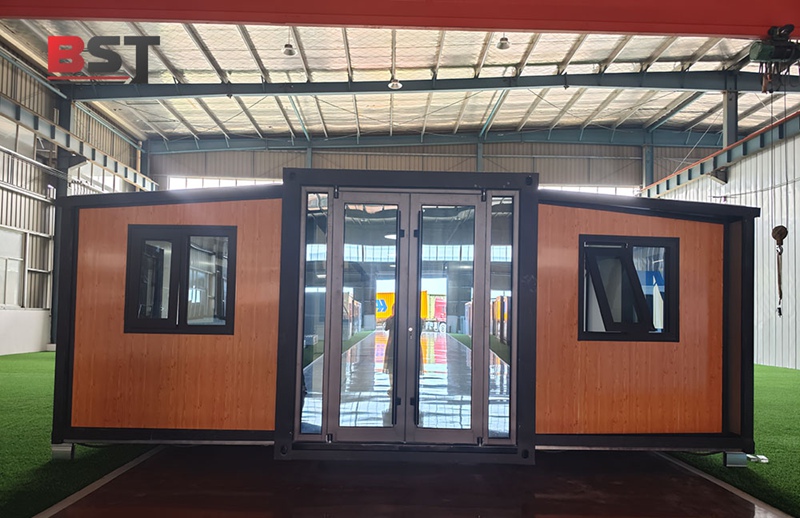
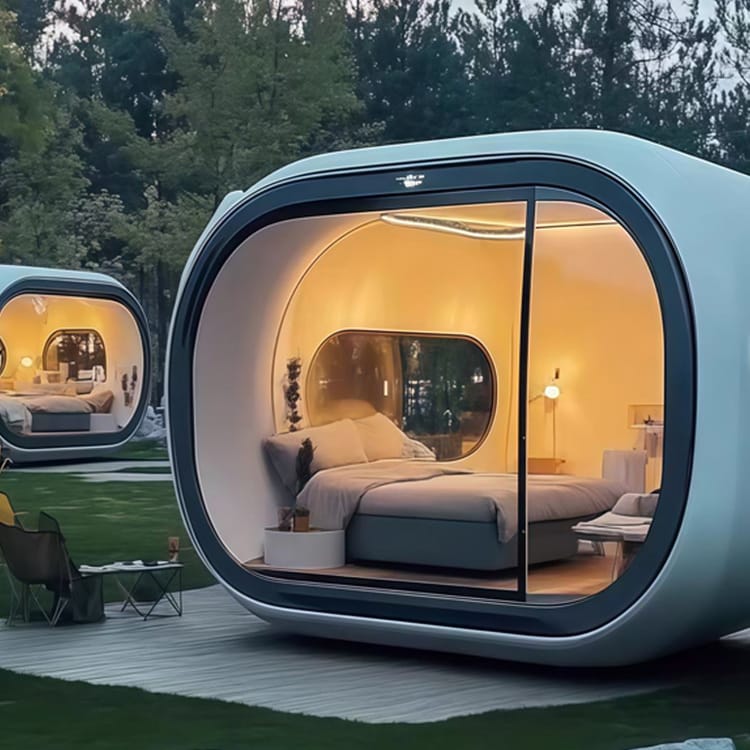
However, professionally converted container homes are designed specifically for residential, office, and commercial use. For example, container homes produced by qualified manufacturers use:
-
Environmentally friendly coatings
-
Safe, certified building materials
-
Proper insulation and ventilation systems
These upgrades ensure that container homes fully meet residential living standards and provide a safe indoor environment.
2. Which U.S. States Allow Container Homes?
In the United States, container homes are allowed in many states, though regulations vary by city and county.
States that are generally more open to container housing include:
-
Texas
-
California
-
Tennessee
-
Louisiana
-
Missouri
-
Oregon
-
Alaska
For example:
-
Texas has more than 3,000 container home projects already completed.
-
California, while having stricter zoning laws, actively supports environmentally friendly and sustainable building practices.
Always check local zoning and building codes before starting a container home project.
3. What Are the Dimensions of a Container Home?
Standard shipping container sizes include:
-
20-foot container: approximately 6 meters long
-
40-foot container: approximately 12 meters long
-
Width: approximately 2.4 meters
-
Height: approximately 2.6 meters
After conversion, interior ceiling heights usually range from 2.2 to 2.4 meters, suitable for residential and office use.
Space Examples:
-
20-foot container home (~15 m² usable space):
Can accommodate a double bed, small desk, wardrobe, and private bathroom. Ideal for a studio apartment, temporary office, or small business. -
40-foot container home (~30 m² usable space):
Can include a bedroom, living area with sofa, small kitchen, bathroom, and dining space for 4–6 people. Ideal for homes, cafés, boutiques, or mobile restaurants.
Although container homes offer compact space compared to traditional buildings, smart layouts and custom furniture can create a comfortable and functional living or working environment.
4. Can Container Homes Have a Roof?
Yes, container homes support multiple roofing options, including:
-
Flat roofs
-
Pitched roofs
-
Rooftop decks
-
Green roofs
For example:
-
A pitched roof is suitable in regions with heavy snowfall.
-
A roof deck can add an extra 10–30 square meters of recreational space.
5. Will Container Homes Rust?
Container homes are primarily made from weathering steel, which naturally forms a protective surface layer to slow corrosion.
In humid environments, visible rust may appear after 10–15 years if left unmaintained. However, with:
-
Anti-rust coatings
-
Exterior cladding or siding
-
Routine maintenance
The lifespan of a container home can be extended to 30 years or more.
6. Do Container Homes Retain Their Value?
Yes. Well-maintained container homes often have strong resale value.
Market data shows that in the U.S. secondary market, a 40-foot container home can resell for 70%–80% of the original investment, depending on condition, location, and customization.
7. How Long Can a Shipping Container Home Last?
The average lifespan of a container home is approximately 25 years. With proper anti-corrosion treatment and regular maintenance, this can be extended to 35–50 years.
Key longevity practices include:
-
Routine rust inspections
-
Prompt repair of corrosion spots
-
Exterior coating renewal when needed
These steps significantly reduce long-term deterioration.
Article Summary
Container homes offer a safe, flexible, and sustainable housing solution when professionally designed and maintained. From safety standards and dimensions to resale value and lifespan, modern container housing has evolved far beyond its industrial origins. With smart design, proper materials, and regular care, container homes can provide long-lasting comfort and strong investment value.