Skip to content
Everything you need to know — from understanding the full cost breakdown and three budget tiers, to a six-step framework for buying a high-quality container home without overpaying or getting burned by hidden expenses.
What Is a Container Home — and Why Is Everyone Talking About Them?
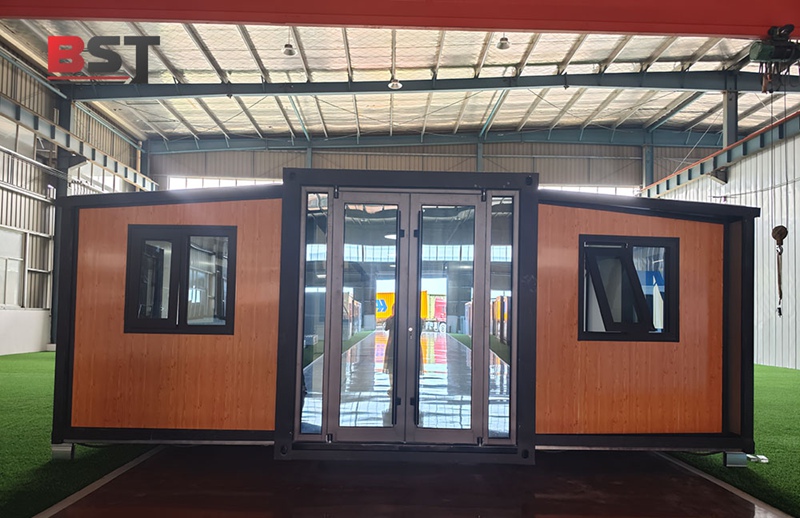
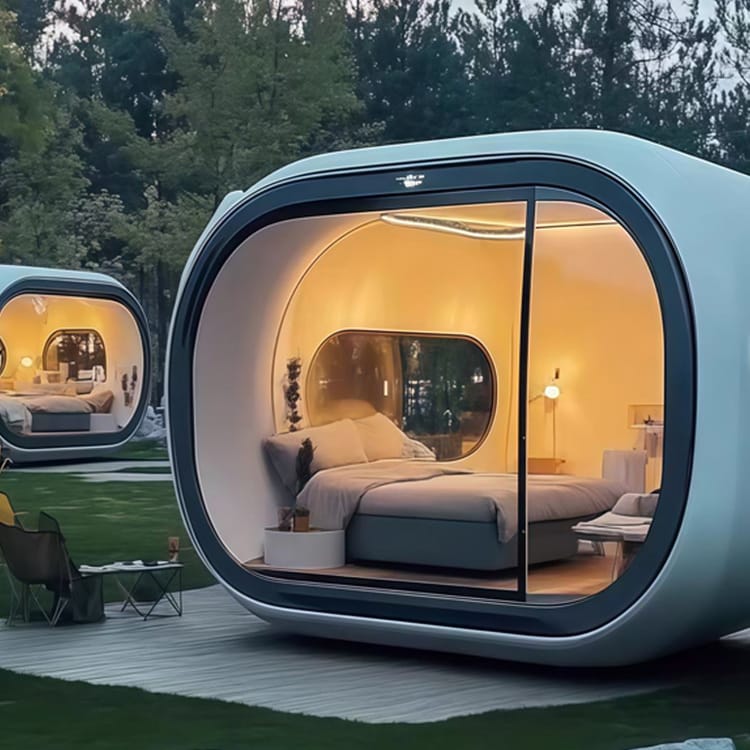
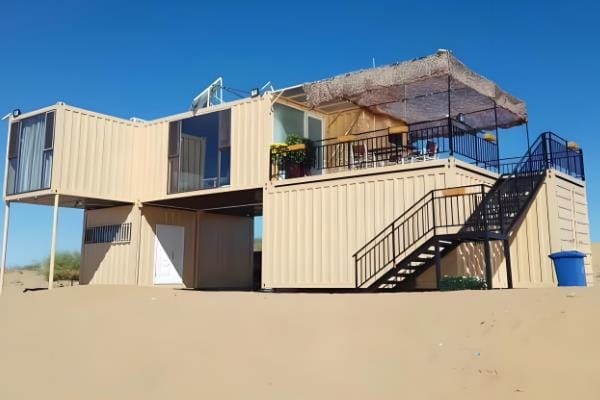
A container home is a functional living structure built from standard ISO shipping containers — typically 20 ft or 40 ft units — that have been structurally reinforced, thermally insulated, and fitted out as habitable spaces. The result can range from a compact 150 sq ft off-grid cabin to a multi-story, architect-designed residence combining six or more containers.
As housing costs climb and timelines for traditional construction stretch into years, container homes have carved out a distinct niche. They appeal to first-time buyers seeking affordability, entrepreneurs launching pop-up retail or hospitality businesses, eco-conscious builders minimizing material waste, and creative types drawn to the raw industrial aesthetic.
Container homes address three of today’s most pressing housing demands at once: cost control, rapid deployment, and design flexibility — all within a structure that’s inherently durable and relocatable.
Compared with wood-frame or concrete construction, container homes typically offer faster build times (much of the work happens in a factory), lower material waste, a modular layout that can be expanded later, and a distinctive visual identity that suits everything from family residences to boutique Airbnb rentals, coffee shops, art galleries, and field offices.
That said, container homes are not universally “cheap.” As we’ll explore throughout this guide, costs vary enormously depending on size, finish level, site conditions, and how extensively the containers are modified. The key is understanding exactly where your money goes — and where you can cut without compromising quality.
2025 Price Guide: Three Budget Tiers Explained
Container home pricing spans a wide range. At the per-square-meter level, expect to pay between $350 and $1,200 depending on configuration and finish. In practical terms, this translates to three distinct tiers — each suited to a different buyer profile, use case, and level of comfort.
Entry Level · DIY-Friendly
$10,000 – $35,000
A practical and budget-friendly solution featuring a basic structure, simple insulation, and minimal plumbing and electrical systems.
Ideal for weekend cabins, guard rooms, artist studios, small offices, or storage conversions.
Best for: Functional use with maximum cost efficiency.
Mid-Range · Family Living ⭐
$35,000 – $150,000
Designed for comfortable, year-round living with full insulation, HVAC systems, a complete kitchen and bathroom, and quality interior finishes.
Perfect for permanent homes, Airbnb rentals, or small commercial projects.
Best for: Everyday living and the most popular choice among buyers.
High-End · Luxury & Commercial
$120,000 – $250,000+
Premium multi-unit configurations such as L-shaped, T-shaped, or two-story layouts. Includes high-end finishes, smart home systems, and optional landscaping solutions.
Tailored for luxury residences, boutique resorts, and branded commercial spaces.
Best for: High-end projects with architectural-level design and experience.
Reference Price Table by Use Case
| Home Type | Size | Price Range (USD) | Best Use Cases |
|---|---|---|---|
| Single-module micro home | 15–25 m² | $10,000 – $25,000 | Site dormitory, emergency housing, compact living |
| Standard two-module home | 30–50 m² | $25,000 – $50,000 | Small families, transitional housing |
| High-end custom residence | 60–100 m² | $60,000 – $100,000+ | Vacation homes, boutique B&Bs |
| Commercial / office unit | 50–150 m² | $40,000 – $120,000+ | Mobile offices, retail spaces, pop-up stores |
The 8 Core Cost Drivers: A Line-by-Line Breakdown
One of the most common sources of confusion — and budget overruns — is treating container home pricing as a single number. In reality, your total cost is the sum of eight distinct components, each of which can vary significantly based on your choices and site conditions.
| Cost Item | Typical Range (USD) | Key Variables |
|---|---|---|
| Container unit itself | $1,500 – $4,500 | New vs. used; 20 ft / 40 ft / 40 HQ; local availability |
| Foundation | $3,000 – $18,000 | Concrete piers, steel stilts, or full slab; soil type and climate zone |
| Insulation & structural work | $5,000 – $25,000 | Spray foam, rock wool, or SIP panels; climate requirements |
| Window cutting & reinforcement | $3,000 – $20,000 | Number and size of openings; floor-to-ceiling glass requires heavy steel reinforcement |
| Interior fit-out | $3,000 – $50,000+ | Flooring, wall panels, kitchen and bathroom spec; custom vs. stock furniture |
| Plumbing, electrical & HVAC | $5,000 – $30,000 | Municipal connection vs. off-grid system; split unit vs. central HVAC |
| Transportation & site preparation | $1,000 – $12,000 | Distance from factory; crane hire; site leveling requirements |
| Labor & installation | 30–50% of total | Local wage rates; DIY can offset non-structural tasks |
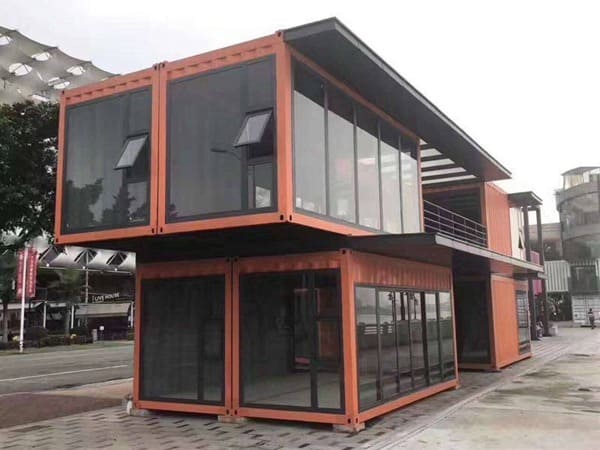
Beyond the line items above, watch for: structural reinforcement materials after cutting; local building permits and compliance inspection fees; anti-corrosion and rust-protection coatings; fire-resistant material requirements; and municipal utility connection charges. Together these can add 10–20% to your projected budget. Knowing them in advance is the difference between a smooth build and a stressful one.
New Container vs. Used Container: Which Should You Choose?
This is one of the most common decision points in budget planning. New containers arrive structurally sound, chemically clean, and aesthetically intact — but at a premium. Used containers typically cost 20–40% less, but require thorough rust inspection, corrosion treatment, and ideally a full usage history report to confirm they haven’t transported hazardous materials.
The smart approach is not to default to either option but to evaluate each unit on its actual condition. A well-maintained five-year-old container can be a better value than a poorly stored new one. Always request documentation, not just a visual inspection.
How to Buy a High-Quality Container Home: 6-Step Framework
Understanding price is only half the equation. Getting genuine value from your investment requires evaluating six dimensions before you commit — from the ground beneath your foundation to the credentials of your supplier.
1. Conduct a Geotechnical Survey Before Selecting Your Site
Soil conditions directly impact the long-term stability of your container structure. Soft soils like clay or silt can lead to gradual sinking and structural stress, while sloped terrain often requires costly leveling or deep foundations. Poor drainage accelerates corrosion, and coastal or high-wind zones demand reinforced anchoring systems.
A professional site assessment is a small upfront investment that prevents major structural issues — and allows your supplier to recommend the most suitable foundation solution.
2. Choose Insulation Based on Your Climate — Not a Standard Package
Container structures have no natural thermal resistance, making insulation one of the most critical technical decisions.
Cold regions require high R-value spray foam for heat retention, while hot and humid climates need breathable systems with vapor barriers to prevent condensation and mold. Variable climates benefit from multi-layer insulation systems.
If a supplier offers a “one-size-fits-all” solution, consider it a warning sign — insulation must be climate-specific.
3. Plan for Future Expansion From the Start
Your needs will evolve — whether it’s additional living space, remote work areas, or renewable energy integration. Retrofitting a rigid structure later can be expensive and disruptive.
Before finalizing your design, ensure the structure allows for expansion, and that key utility connections are pre-planned. Modular and expandable systems make future upgrades significantly easier and more cost-effective.
4. Verify Supplier Expertise and After-Sales Support
Choosing the right supplier is just as important as the product itself. A reliable manufacturer should provide certified in-house production, clear warranty terms, responsive after-sales service, and verifiable project experience.
Avoid suppliers who cannot clearly explain their manufacturing process or provide transparency — reliability and long-term support matter more than the lowest price.
5. Demand a Transparent, Itemized Quotation
A professional quotation should clearly break down all costs, including container units, transportation, foundation work, insulation, structural modifications, utilities, and interior finishes.
Lump-sum pricing limits your ability to control costs or make informed decisions. Transparency is a key indicator of a trustworthy supplier.
6. Perform a Detailed Pre-Delivery Inspection
A surface-level inspection is not enough. Check critical structural areas such as corner posts, welds, and beams for deep corrosion. Ensure doors seal properly and review the container’s usage history.
Be cautious of freshly painted surfaces hiding underlying damage — true quality lies beneath the surface, not in appearance.
Proven Ways to Reduce Costs Without Sacrificing Quality
Cutting costs intelligently means optimizing across materials, design, and process — not simply choosing the cheapest option in every category. These five strategies have consistently delivered significant savings without compromising the livability or longevity of the finished home.
1. Choose High-Quality Used Containers with Professional Refurbishment
Well-selected and properly refurbished used containers can reduce structural costs by 20–40% without compromising performance.
The key lies in working with an experienced contractor who can accurately assess structural integrity and apply proper anti-corrosion treatments — not simply masking issues with superficial repairs.
2. Simplify Interior Finishes — Without Sacrificing Aesthetics
Cost efficiency doesn’t mean compromising design. Materials such as LVT flooring, powder-coated wall panels, and standard bathroom fixtures can achieve a clean, modern look at 30–40% lower cost than fully customized options.
In fact, a restrained, industrial-minimalist approach often enhances the natural character of container architecture.
3. Prioritize Factory Prefabrication Over On-Site Construction
Factory-controlled production ensures higher precision, faster delivery, and fewer labor-related errors.
For standard single- or double-unit builds, prefabrication can reduce overall labor and time-related costs by 15–25%, while also improving overall build quality and consistency.
4. Consolidate Furniture and Appliance Procurement
For multi-unit projects such as rentals or hospitality developments, bulk purchasing significantly reduces per-unit costs.
It also ensures visual consistency across units — a key factor in strengthening brand identity and user experience.
5. Finalize Mechanical and Utility Planning Before Construction
Late-stage changes to plumbing or electrical systems are one of the most common causes of budget overruns.
A fully coordinated pre-construction plan — including all routing and future connection points — minimizes rework, reduces costs, and ensures a smoother build process.
Are Container Homes Actually Cheaper Than Traditional Houses?
The straightforward answer: it depends on the build. Container homes are not categorically cheaper than conventional construction — but in the right circumstances, they offer compelling value advantages that go beyond the price tag.
At the budget end, a single-container home with modest finishes will almost always cost less than a comparable traditionally built structure of the same size. The material is standardized, the structural work is factory-controlled, and the build timeline is dramatically shorter — which reduces financing costs, labor exposure, and weather-related delays.
However, as you add extensive structural cutting, premium interior packages, complex multi-container configurations, or custom architectural features, the total cost converges with — and can exceed — equivalent conventional builds. Add in strict local insulation codes, complex permitting in certain jurisdictions, or the hidden remediation costs of low-quality used containers, and the economics shift further.
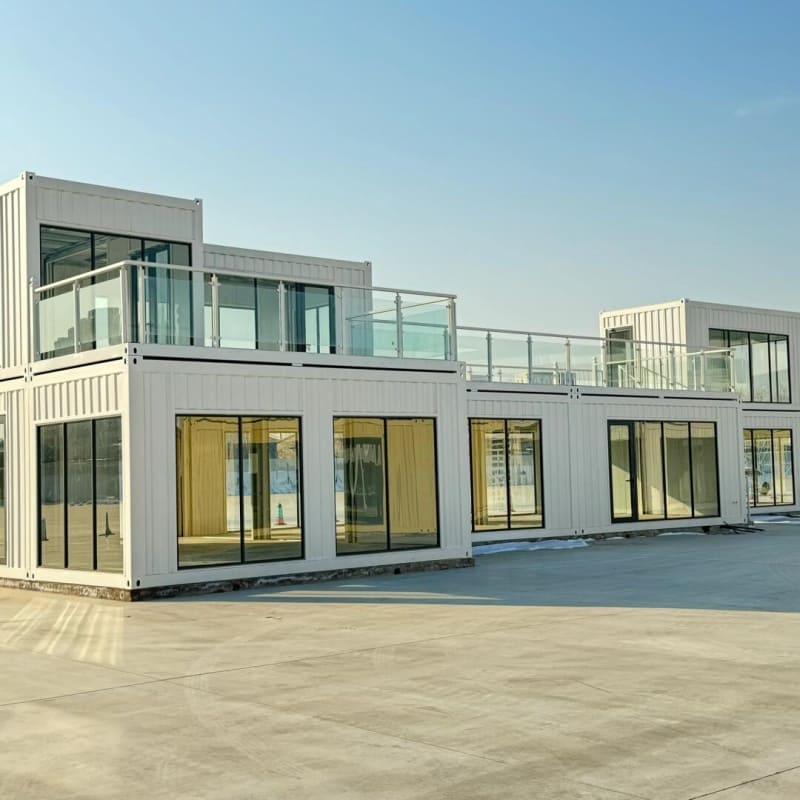
The right question isn’t “Is it cheaper?” It’s “Does it deliver more value per dollar for my specific use case?” For the right project, the answer is frequently yes.
Container homes consistently excel in speed (50%+ faster than traditional construction), design flexibility, sustainability credentials (reuse of existing industrial materials), and long-term relocatability. For buyers where any of these factors matter, the value proposition extends well beyond raw construction cost.
Frequently Asked Questions
1. How much does a shipping container home typically cost?
Prices range from $10,000 for a basic single-container conversion to $250,000+ for a fully custom multi-container home.
The most popular mid-range family home — fully insulated, with kitchen, bath, and HVAC — usually costs $35,000–$150,000.
2. What is the cost per square foot?
On average, $150–$300 per sq.ft, including materials, labor, foundation, and utilities.
Comparable to mid-range conventional construction, but with faster build times and more predictable factory pricing for structural elements.
3. Are used shipping containers safe? Any hazardous materials?
Containers built before the 1980s may contain asbestos in insulation or flooring.
Those that previously carried chemical cargo can retain residue. Always request a full usage history and consider independent testing before purchase.
4. How long does it take to build a container home?
- Standard factory-prefabricated units: 30–90 days from order to delivery.
- Complex multi-container projects: 3–6 months.
Much faster than conventional construction, reducing financing costs and on-site management overhead.
5. Are container homes legal and can they be permanently registered?
Regulations vary by location. Some regions recognize container homes within building codes, while others restrict permanent residential use.
Always check with your local planning authority. A qualified supplier can guide compliance for your area.
6. What should I look for in a container home supplier?
Prioritize suppliers who:
- Own a factory and maintain certified engineering processes.
- Provide transparent, itemized quotes.
- Have verifiable completed projects.
- Offer clear warranty terms and long-term after-sales support.
- Allow factory visits or video walkthroughs.
Reliable support for structural and waterproofing issues is essential.