Skip to content
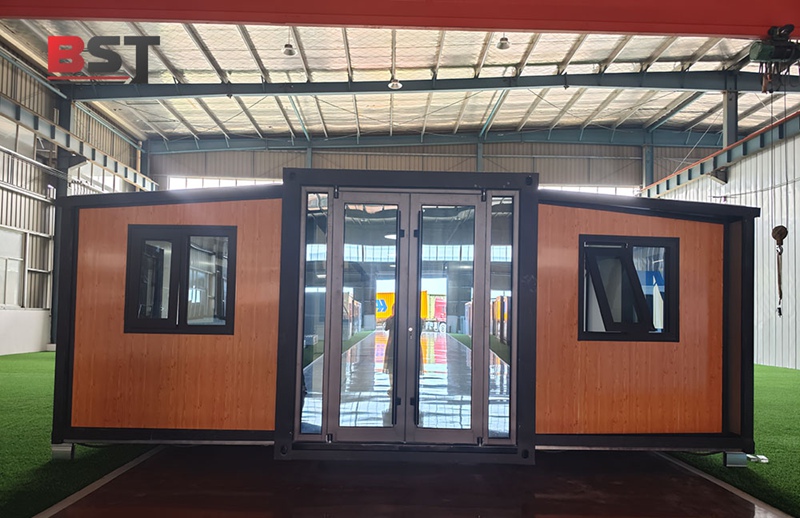
High housing prices and rising sustainability demands have made expandable container homes a practical and affordable choice. But many people still wonder:
Is it cold in winter? Is the space enough? Is daily living convenient?
This article provides a professional, easy-to-understand overview of what real life in an expandable container home looks like.
Related Reading:
Advantages of Prefab Homes
How Modular Homes Reduce Construction Time
Fast Deployment: Ready to Use in 2–3 Hours
Unlike traditional homes that require months of construction, an expandable container home can be fully unfolded and ready to move in within 2–3 hours.
After expansion, most units offer 36–42 m²—similar to a studio apartment.
This efficiency is extremely valuable in:
-
Campsites
-
Scenic spots
-
Remote offices
-
Construction sites
-
Temporary housing projects
Is It Comfortable? Real Thermal Performance
Most people worry it will feel like “living in a tin box.”
In reality, modern models (such as INNature/BEST Steel Structure units) use multi-layer thermal insulation:
Wall & Roof Insulation
-
High-density polyurethane insulated sandwich panels
-
Composite reflective roof layer
-
Optional double-glazed windows for heat + sound insulation
Temperature Data
-
Winter: Room temperature stays around 20–23°C with a small heater
-
Summer: With AC on, indoor temperature remains 24–26°C
This comfort level is comparable to a standard apartment.
Related Reading:
How Container Homes Stay Warm in Winter
Interior Space: Compact but Surprisingly Spacious
Once unfolded, the interior height reaches 2.4 meters, allowing comfortable movement.
Common Layout Options
-
One-bedroom: Bedroom + living room + bathroom
-
Workspace unit: Single room with desk and storage
-
Double occupancy: Twin beds + shared area
Space-Saving Furniture
-
Foldable dining tables
-
Invisible/hidden beds
-
Custom storage cabinets
These features maximize usable space and improve the living experience.
Utilities: Water, Electricity & Smart Devices
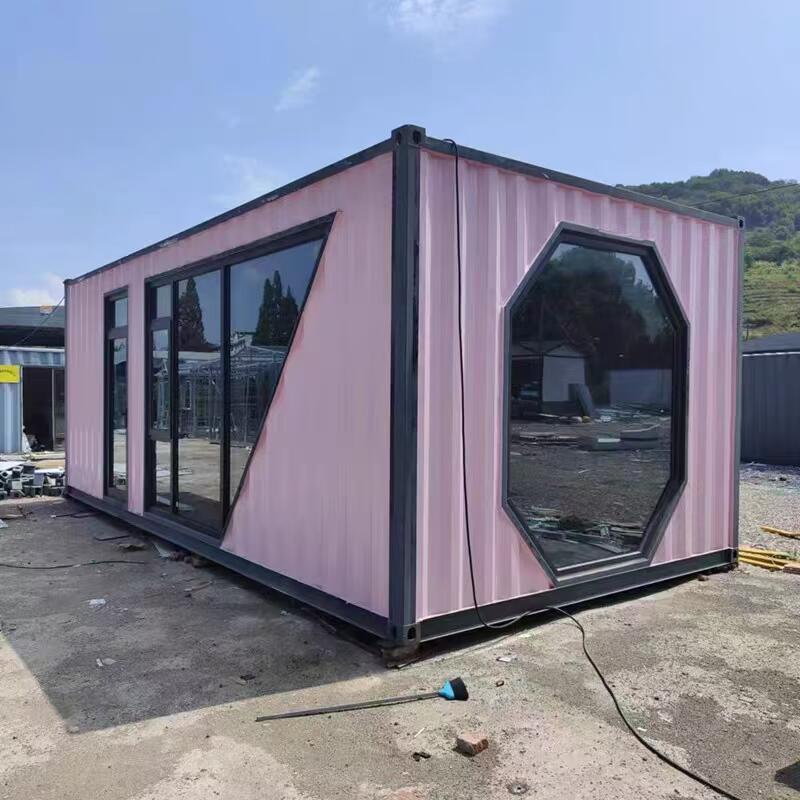
Expandable container homes are not “field shacks.” They support full modern living:
Water & Power
-
Connect to municipal utilities
-
Or operate with solar + battery systems
Appliances & Lighting
-
LED lighting
-
Electric water heater
-
Standard kitchen appliances
Connectivity
-
Wi-Fi router
-
Security cameras
-
Smart locks
A well-planned design offers a living experience nearly identical to a traditional small home.
Cost Breakdown: How Much Can You Save?
Basic Costs
-
Standard 20 ft expandable unit: $6,000–$12,000
(includes basic interior + utility connections)
Optional Upgrades
-
Partitions, cabinets, bathroom fixtures: + $2,000–$4,000
-
Glass walls, skylights, smart home systems: + $3,000+
-
Premium commercial models: $20,000+
This is 50–70% cheaper than traditional concrete housing at $1,000–$2,500 per m².
Related Reading:
How to Budget for a Modular Home Project
Common Issues & Optimized Solutions
Common Challenges
-
Limited indoor space
-
Poor ventilation if early designs are used
-
Inadequate drainage in some portable versions
-
Wear on hinges during repeated folding/unfolding
Improvement Solutions (By Best Steel Structure)
-
Multi-module combinations (two-room, office, etc.)
-
Large floor-to-ceiling windows + ventilation fans
-
High-efficiency unified drainage system
-
Industrial-grade hinges & wind-resistant locks
-
Long-life structural components
These upgrades ensure durability and comfort for long-term use.
FAQ About Expandable Container Homes
Will it be cold in winter?
No. The insulation system keeps winter temperatures stable, and electric or underfloor heating can be added.
How long can it last?
Standard lifespan: 15–20 years, longer with proper maintenance.
Can I install solar panels?
Yes. Off-grid solar + storage systems are supported.
Can it be legally approved as a residential building?
It depends on local policies. Many regions in the U.S., Australia, and Canada already have successful approvals.
Summary
Expandable container homes are no longer temporary shelters—they represent a new, flexible, efficient, and affordable lifestyle.
With proper insulation, smart space design, and upgraded utility systems, they can deliver comfort comparable to a traditional home.
Manufacturers like Best Steel Structure provide modular solutions for residential, commercial, campsite, and emergency projects, offering both practicality and long-term value.