Skip to content
Purchasing an expandable container house can be a smart and efficient choice for modern living. However, the market offers a wide variety of options — from size, expansion type, to included features. Knowing how to compare suppliers and evaluate quality ensures you make the right investment.
This guide provides a practical buyer’s checklist for choosing the right expandable container home.
1. Determine Your Expansion Needs
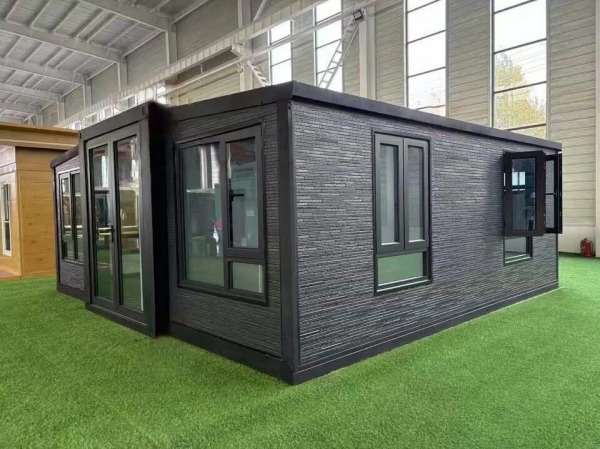
Before contacting suppliers, define your requirements:
-
Expansion type: single-side, double-side, or roof-lift.
-
Floor area: how much space do you need for living or working?
-
Transport limitations: make sure the unit collapses to standard container dimensions for shipping.
Your site conditions — width, height, and access — determine which expansion type works best.
🔗 Learn about expansion methods in our Hydraulic and Manual Expansion Systems Guide.
2. Evaluate Supplier Offerings
Check what each supplier includes in the base price:
-
Hinges, locks, and sealants
-
Interior furnishings like kitchen, bathroom, or storage units
-
Optional upgrades such as hydraulic systems or roof-lift mechanisms
Request construction drawings, waterproofing details, and test reports. Reputable suppliers provide engineering drawings and sometimes certification for wind and water resistance.
3. Confirm Site Compatibility
Make sure the supplier has considered your site specifications:
-
Clearances for side expansions and overhead headroom
-
Crane or forklift requirements for placement
-
Foundation or leveling needs
This ensures the unit fits perfectly without additional modifications on-site.
4. Understand Deployment and Maintenance
Ask suppliers about:
-
Setup time and crew size
-
Equipment required (forklift, crane, hand tools)
-
Maintenance schedule (inspections for seals, hinges, and locks)
Knowing this upfront avoids surprises and ensures smooth operation of your expandable home.
5. Compare Costs and Value
Price comparison is not just about the initial cost — consider long-term durability and included features. Cheaper units may lack proper insulation, locking systems, or waterproofing, resulting in extra costs later.
Balance cost with quality and supplier reliability to ensure a good investment.
Conclusion
Choosing the right expandable container home involves evaluating expansion types, materials, supplier credibility, and site compatibility. By following this buyer’s checklist, you can make a confident decision and enjoy a durable, flexible, and weatherproof modular home.
🔗 Next, explore practical deployment and maintenance tips in our Maintenance and Inspection Guide.