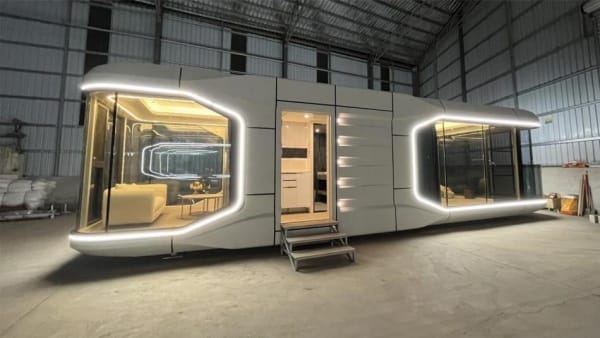
A tiny capsule house can stay warm in winter with the right setup. With proper sealing, insulation, moisture control, and heating, you can stay cozy even in freezing temperatures. This guide explains how to assess your climate, protect your structure, secure your plumbing, and prepare for snow or outages.
1. Plan Your Cold-Climate Setup
Before winterizing, evaluate your location’s temperature, snow load, and wind exposure. This helps you set comfort goals, determine heating needs, plan your budget, and prepare for emergencies.
Know Your Local Weather
Check the lowest winter temperatures in your region. This guides your insulation level and heating capacity.
Check Snow Load
Understand how much snow your roof can hold safely. If needed, reinforce the structure or increase roof slope to prevent bending or leaks.
Check Wind Exposure
Capsule houses on open land or hills face stronger winds, which increase heat loss. In such areas, airtight sealing and windbreaks are essential.
Decide How You’ll Use the House
Full-time living requires continuous heating and ventilation. Part-time use may allow lighter systems but still needs freeze protection.
Set Comfort Targets
Aim for indoor temperatures of 18–22°C (64–72°F) and humidity between 30–45% to prevent condensation and mold.
Estimate Energy Needs
Calculate heating load based on climate, house size, and target temperature. Proper planning reduces winter energy costs.
Plan Your Budget
Include insulation, window upgrades, skirting, plumbing protection, and backup power in your winterization budget.
Use Site Orientation
South-facing windows add free solar heat. Trees and fences can block cold winds and improve comfort.
Follow Local Codes
Some areas require specific snow load ratings or insulation standards for modular structures. Stay compliant and safe.
Prepare an Emergency Plan
Include backup heat, a small generator, blankets, and essentials for storms or outages.
2. Seal and Insulate the Shell
Sealing and insulation keep warm air inside and cold air out—critical for small structures.
Seal All Gaps
Caulk or foam-seal gaps around pipes, wires, vents, doors, and windows. Even tiny leaks cause significant heat loss.
Insulate Roof and Floor
Capsule homes lose heat quickly through the roof and floor. Use thick insulation to keep the interior warm and reduce heating costs.
Check Seams and Service Areas
Inspect all joints and corners for air leaks. Seal around service openings to avoid cold spots.
3. Add Insulated Skirting and Underfloor Protection
Cold air beneath the home can freeze pipes and pull heat away.
Install rigid insulated skirting around the base, leaving an access panel for maintenance. Seal the edges to block wind and prevent pests from entering. Combined with underfloor insulation, this keeps water lines from freezing and improves indoor comfort.
4. Protect Plumbing from Freezing
Wrap all exposed pipes and valves with heat tape or foam insulation. For exterior water lines, use a heated hose to prevent freezing.
If you leave the house unoccupied, shut off the main water supply, drain the system, and add RV antifreeze to traps. This prevents ruptured pipes and water damage during extreme cold.
5. Upgrade Windows and Control Moisture
Use double-pane or low-E windows to retain heat. Add weather-stripping around frames and use thermal curtains for extra insulation.
Control moisture with:
A bathroom exhaust fan on a timer
A heat-recovery ventilator (HRV), if available
Practice daily habits: cover pots when cooking and avoid bringing wet items inside. These steps prevent condensation and mold.
6. Choose Heating That Works Below Zero
Select systems rated for sub-zero temperatures. Cold-climate mini-splits are efficient and dependable. Radiant panels or portable heaters can warm specific zones.
Test smoke alarms, CO detectors, and freeze sensors to ensure safety.
Heating Options at a Glance
| Heating Type | Works Below 0°C | Pros | Cons |
|---|---|---|---|
| Mini-split | Yes | Efficient, quiet | Higher upfront cost |
| Radiant panel | Yes | Fast, targeted heat | Limited coverage |
| Space heater | Limited | Portable | Higher energy use |
7. Prepare the Roof, Snow, and Outage Plan
Inspect Your Roof
Check fasteners, seals, and panels before winter storms. A well-maintained roof prevents leaks and damage.
Plan Snow Removal
Use a roof rake or hire help to remove heavy snow, preventing ice dams and structural stress.
Prepare for Power Outages
Keep surge protection, a generator or battery backup, flashlights, blankets, and a first-aid kit on hand.
Conclusion
Winterizing your tiny capsule house keeps it warm, energy-efficient, and protected from harsh weather. By sealing gaps, improving insulation, safeguarding plumbing, upgrading windows, and preparing for snow or outages, you can enjoy a safe and comfortable winter with confidence.