From trendy backyard studios to rugged off-grid cabins, container homes are appearing everywhere—from Instagram feeds to real estate blogs. They are fast to build, cost-effective, and strong enough to cross oceans. But what exactly transforms a steel shipping container into a livable home?
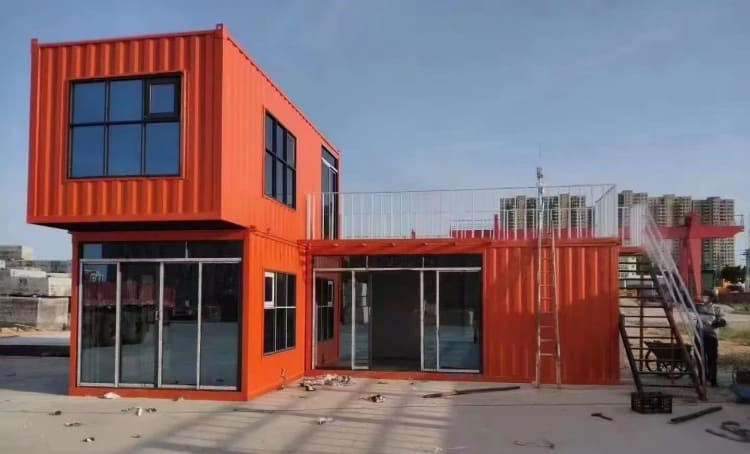
A container house is a code-compliant dwelling built from one or more steel shipping containers. These containers are insulated, fitted with windows, doors, plumbing, and electrical systems, then finished inside and out to create a safe and comfortable living space. By reusing the container’s structural shell, builders reduce construction time and cost without compromising strength.
In this guide, you’ll explore the history of container homes, their design and architectural features, key advantages, common applications, and important legal considerations.
1. Historical Background of Container Houses
The concept of container houses began as a practical way to reuse shipping containers, which were originally developed for cargo transport in the 1950s. Over time, people recognized that these containers were not only durable but also easy to transport and stack.
By the early 2000s, architects and designers began exploring containers as cost-effective and environmentally friendly housing solutions. Their simple rectangular form made them easy to modify, transport, and combine, which accelerated their adoption in residential and commercial projects.
Design Milestones in Container Housing
Several landmark projects helped shape the evolution of container homes:
Container City (2001, UK)
Urban Space Management built one of the first large-scale container housing developments in London. Its success led to Container City II, inspiring architects worldwide to view shipping containers as viable building materials.
The Nomadic Museum (2005)
Japanese architect Shigeru Ban designed a traveling museum constructed from shipping containers. This project demonstrated that containers could be used for large-scale, mobile architectural structures.
Peter DeMaria’s Container Home (2006, USA)
Architect Peter DeMaria built the first legally approved container home in the United States in Redondo Beach, California. His work proved that container homes could meet building codes while remaining stylish and affordable.
Other Key Uses
Over time, container homes expanded into student housing, emergency shelters, and eco-friendly developments. Their fast construction speed and reduced material waste made them especially useful after natural disasters.
2. Design and Architectural Features of Container Houses
i) Modular and Flexible Design
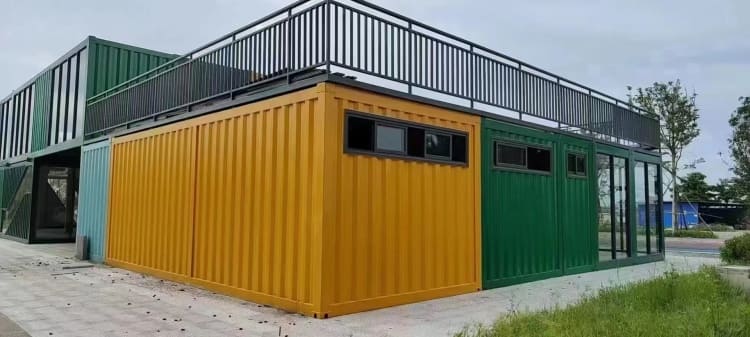
Shipping containers typically come in 20-foot and 40-foot lengths, with standardized dimensions. This uniformity allows designers to easily stack, align, and combine them into different configurations.
As a result, container houses can range from single-unit tiny homes to multi-story apartment buildings. Walls can be removed, large windows added, and multiple containers joined to create open-plan layouts and modern living spaces.
ii) Durability and Living Comfort
Containers are made from high-strength steel, providing excellent resistance to harsh weather conditions. To improve comfort, insulation is added to regulate indoor temperature.
Common insulation solutions include:
Spray foam insulation
Insulated wall panels
Additionally, waterproof coatings protect against moisture, while ventilation systems improve indoor air quality. Reinforced structures ensure safety for larger multi-container homes.
With these upgrades, container houses become durable, energy-efficient, and comfortable for long-term living.
3. Advantages of Container Homes
Container homes have gained popularity due to a range of practical benefits:
Cost-Effective
Using pre-built structural shells significantly reduces material and labor costs compared to traditional construction.
Fast Construction
Because the main structure already exists, container homes can often be completed in weeks rather than months.
Eco-Friendly
Reusing shipping containers reduces waste. Many container homes also integrate solar panels and energy-efficient insulation.
Strong and Durable
Steel construction makes container homes resistant to strong winds, earthquakes, and harsh climates.
Flexible and Customizable
Windows, doors, balconies, and additional units can be added easily to meet changing needs.
Portable
Container homes can be relocated without full demolition, making them ideal for mobile or temporary housing.
4. Practical Applications of Container Houses
Container houses are widely used across residential, commercial, and industrial sectors:
Residential Homes – Permanent housing with customizable layouts
Vacation Homes – Portable cabins for beaches, forests, and mountains
Emergency Housing – Rapid deployment after disasters
Student & Worker Housing – Affordable, scalable accommodation
Offices & Studios – Backyard offices or job-site workspaces
Shops & Cafés – Mobile retail units and pop-up restaurants
Their affordability and strength make them suitable for a wide range of uses.

5. Legal and Regulatory Guidelines for Container Homes
i) Zoning Laws and Building Codes
Zoning laws determine where container homes can be built. Some regions allow them freely, while others impose strict regulations.
Building codes ensure safety and typically cover:
Foundations
Structural reinforcement
Insulation
Plumbing and electrical systems
Obtaining permits and consulting local authorities early helps avoid delays.
ii) Container-Home-Friendly Regions
Some areas are more supportive of container housing than others. In the United States, Texas, California, and Oregon are known for more flexible regulations. Rural areas often have fewer restrictions than urban centers.
Checking local zoning and building requirements in advance can greatly simplify the approval process.
Conclusion
A container house is a modern housing solution built from recycled shipping containers, offering affordability, durability, flexibility, and fast construction. With proper design, insulation, and legal compliance, container homes can serve as permanent residences, vacation homes, offices, or emergency shelters. Their versatility makes them an increasingly popular choice worldwide.