With various types of steel roofs available, each offering distinct advantages, choosing the right solution can feel overwhelming. By considering climate conditions, building function, and long-term performance requirements, you can select a steel structure roof that balances durability, efficiency, and design.
This guide explains steel roofing systems, materials, and selection principles to help you make a confident, informed decision for your project.
What Is a Steel Structure Roof?
A steel structure roof is a roofing system that uses steel as its primary structural material. Known for high strength, light weight, and large-span capability, steel roofs are widely used in industrial, commercial, and residential buildings.
A complete steel roof system typically includes:
Roof panels
Steel roof frame
Connection components
Waterproof layers
Thermal insulation
Drainage systems
Together, these elements ensure structural stability, weather resistance, thermal performance, and efficient water drainage.
Common Steel Structure Roof Materials
Different steel materials offer varying levels of durability, corrosion resistance, and aesthetics:
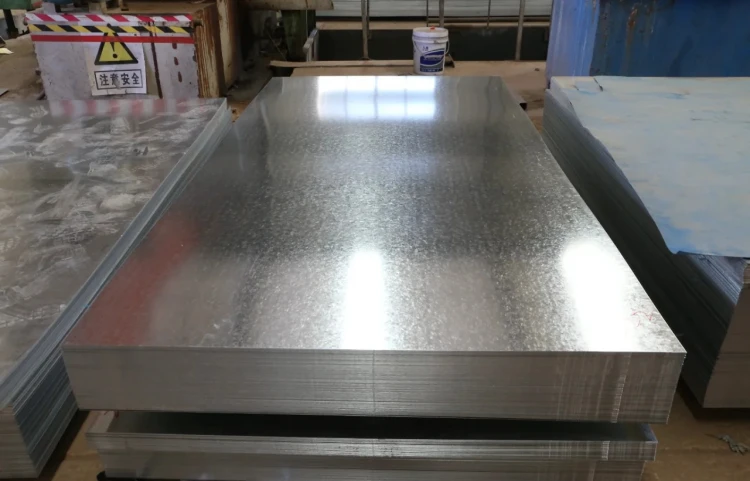
Galvanized Steel – Zinc-coated for rust prevention; cost-effective and durable
Galvalume Steel – Aluminum-zinc alloy coating for enhanced corrosion resistance
Weathering Steel – Forms a protective rust layer; low maintenance
Stainless Steel – Excellent corrosion resistance; long-lasting performance
Color-Coated Steel – Painted surface for aesthetics and added protection
Aluminum-Zinc Alloy Steel – Superior corrosion resistance for harsh environments
Main Types of Steel Structure Roofs
1. Rigid Frame Roof
Features:
Rigid steel beams and columns connected by welding or bolting provide high load-bearing capacity and stability.
Applications:
Industrial plants, warehouses, large commercial buildings with wide spans.
2. Roof Truss Structure
Features:
Triangular steel trusses distribute loads efficiently, offering a lightweight solution for large spans without interior columns.
Applications:
Stadiums, exhibition halls, large warehouses.
3. Space Frame Roof
Features:
A three-dimensional mesh of steel pipes or beams supporting complex roof shapes with excellent strength and stability.
Applications:
Airport terminals, shopping malls, large-span architectural buildings.
4. Arch Steel Roof
Features:
Arched steel frames distribute loads through compression, offering strong wind and seismic resistance.
Applications:
Industrial buildings, warehouses, sports facilities requiring both strength and aesthetic appeal.
5. Suspension Roof
Features:
Steel cables or chains suspend the roof structure, enabling extremely large spans with unique architectural expression.
Applications:
Bridges, exhibition halls, landmark stadiums.
6. Pitched Steel Roof
Features:
Sloped steel roofs designed for efficient drainage, using steel beams and roof panels.
Applications:
Factories, agricultural buildings, warehouses in heavy rainfall areas.
7. Pre-Engineered Steel Roof
Features:
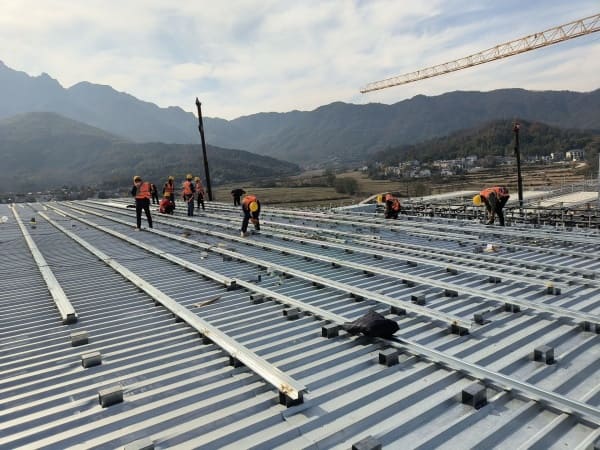
Factory-prefabricated components assembled on-site for fast installation and standardized quality.
Applications:
Standardized factories, logistics warehouses, time-sensitive construction projects.
Choosing a Steel Roof Based on Climate Conditions
Cold Climate Considerations
Snow load design: Reinforced steel beams, increased roof slope, thicker steel plates
Thermal insulation: Double-layer roofs or added insulation layers
Low-temperature resistance: Galvanized or coated steel to prevent cracking
High-Temperature Climate Considerations
Reflective coatings: Reduce heat absorption
Ventilation systems: Roof vents and exhaust systems
Heat-resistant steel: Coated or treated steel for thermal stability
Wet or Rainy Climate Considerations
Anti-corrosion materials: Stainless steel or galvanized steel
Efficient drainage: Adequate slope and drainage design
Waterproof membranes: Additional sealing for leak prevention
Tropical and Heavy Rain Areas
Wind-resistant structure: Reinforced beams and secure connections
Weather-resistant materials: Hot-dip galvanized or specially coated steel

Selecting Steel Roofs Based on Functional Requirements
Commercial Buildings
Balance aesthetics with structural safety
Incorporate insulation and soundproofing
Use decorative coatings or modern roof designs
Industrial Warehouses and Factories
Long-span roof systems for open interior space
High-strength steel for heavy loads and vibration
Heat resistance and ventilation for high-temperature workshops
Agricultural Facilities
High light transmittance for greenhouses
Strong corrosion resistance in humid environments
Thermal insulation for seasonal temperature changes
Residential Buildings
Attractive appearance and thermal comfort
Low maintenance requirements
Durable, weather-resistant materials
How Long Does a Steel Structure Roof Last?
A properly designed and maintained steel structure roof typically lasts 50 years or more, significantly outperforming many traditional roofing materials.
How to Extend Steel Roof Lifespan
Regular inspections: Check annually for corrosion, deformation, or loose connections
Routine cleaning: Remove debris near drainage points
Anti-corrosion maintenance: Repair damaged coatings promptly
Joint inspection: Ensure all connections remain sealed and secure
Consistent maintenance ensures long-term reliability and cost efficiency.
Why Steel Structure Roofs Are a Smart Investment
Steel roofing systems combine durability, flexibility, and predictable performance. With proper material selection, climate-based design, and professional installation, steel roofs deliver long service life, reduced maintenance, and excellent structural safety.
Contact us today to discuss your steel structure roof project and receive expert guidance tailored to your building requirements.
Conclusion
This guide explains steel structure roof types, materials, climate-based selection, functional requirements, and lifespan considerations. By understanding how design, environment, and usage impact performance, you can choose a steel roofing solution that delivers long-term durability, efficiency, and value.