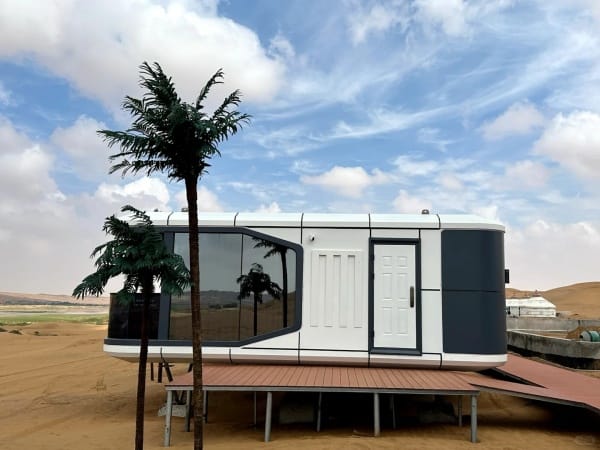
With the rise of compact living, more people are interested in tiny houses as a flexible and affordable housing option. Whether you’re looking for a budget-friendly home, a rental investment, or a vacation cabin, one question always comes first:
“How much does a tiny house cost?”
The truth is, the price varies widely depending on the design, materials, and whether the house is prefab, modular, or fully customized. This guide breaks down all major cost factors to help you make an informed decision.
1. Average Tiny House Pricing (2025 Data)
Tiny houses generally fall into three pricing categories:
✔ 1. DIY Tiny Homes:USD 10,000–30,000
Built using basic materials and self-installation.
Lowest cost option, but requires significant time and skills.
✔ 2. Prefab Tiny Houses:USD 15,000–50,000
Factory-built structures delivered in sections.
Faster and more consistent quality than DIY.
✔ 3. Modular Tiny Houses:USD 25,000–80,000+
Fully engineered modules with plumbing, electrical systems, insulation, and interior finishes.
The highest quality and longest lifespan.
2. Why Tiny Houses from China Are More Affordable
Chinese manufacturers have gained strong global demand for tiny modular houses due to:
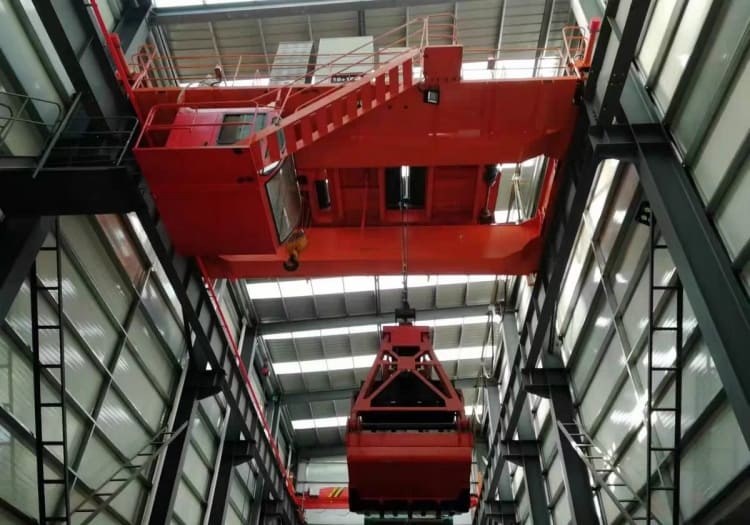
Scaled factory production
Lower labor costs
Automated manufacturing
Standardized modular designs
Direct export logistics
Factory-direct pricing (no middlemen)
This allows buyers to save 20%–40% compared to US or EU factory prices, even after shipping.
3. Cost Breakdown: What Influences Tiny House Pricing?
1. Size & Layout
A standard tiny house size ranges from 100–400 sq ft, affecting the cost of:
Steel frame
Insulation
Flooring
Windows and doors
Internal partition walls
2. Material Quality
Higher-quality materials raise durability and comfort:
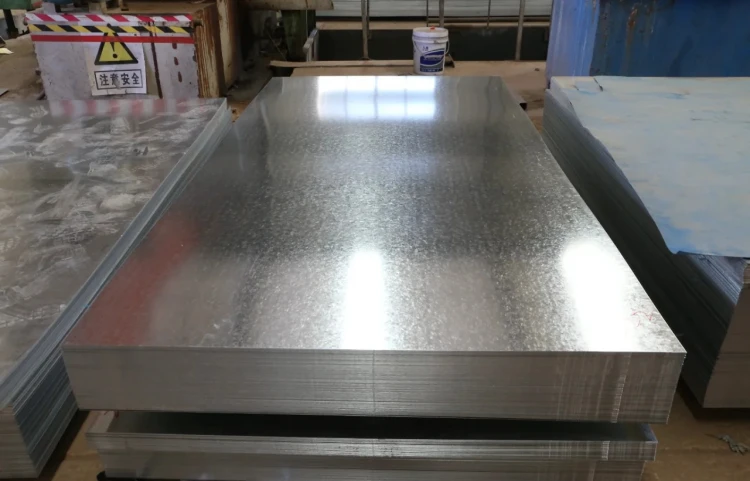
Galvanized steel structure
Fire-resistant insulation (Class A)
Waterproof exterior panels
Laminated flooring
Double-glazed windows
3. Interior Configuration
Features may include:
Kitchen set
Bathroom module
Bedroom loft
Heating & cooling
Solar power system
Storage furniture
4. Local Installation Costs
Most tiny homes take 1–3 days to assemble with 2–3 workers.
Labor cost depends on your country or region.
5. Shipping Fees
Shipping a 20ft–40ft module from China varies:
Asia: USD 800–2,000
Europe: USD 2,000–3,500
North America: USD 3,000–5,500
4. Example Price: Factory-Direct Tiny Modular House
Below is a typical price range for a standard 20ft tiny modular home:
| Item | Cost |
|---|---|
| Structure + Walls + Insulation | USD 6,000–8,000 |
| Doors & Windows | USD 800–1,200 |
| Bathroom Unit | USD 1,200–2,000 |
| Electrical + Plumbing | USD 600–1,500 |
| Interior Finishing | USD 1,000–2,000 |
| Total Factory Price | USD 9,000–14,000 |
Buying directly from a factory often eliminates 15–25% distributor markup, making the final price far more competitive.
5. Tiny House vs Capsule House: Which Costs More?
| Category | Tiny House | Capsule House |
|---|---|---|
| Cost | Medium | Lowest |
| Interior Features | High | Medium |
| Installation Speed | Fast | Very fast |
| Comfort Level | High | Medium–High |
| Best For | Long-term living | Rental + Resort |
Capsule houses are usually 5–10% cheaper due to simpler construction, while tiny houses offer larger interior space and more design flexibility.
6. How Long Do Tiny Houses Last?
High-quality tiny houses can last:
✔ 20–30 years (standard materials)
✔ 30–50 years (galvanized steel + composite materials)
Compared to traditional wood-frame tiny homes, steel-frame models offer:
Better moisture protection
Higher fire resistance
Less maintenance
Longer lifespan
7. Are Tiny Houses Worth the Investment?
Yes—tiny houses are currently one of the strongest markets in small-scale real estate because they offer:
✔ Low upfront cost
✔ High rental income (Airbnb / resort cabins / micro-lodges)
✔ Fast return on investment
✔ Minimal maintenance
✔ Mobility + flexibility
✔ Eco-friendly construction
For landowners, campground operators, or homebuyers seeking low-cost living, tiny houses are a practical, affordable long-term option.
Conclusion
Whether you’re exploring prefab, modular, or capsule-style homes, tiny houses offer a perfect combination of:
Affordable price
Fast installation
Smart interior layouts
Durable engineering
Flexible usage
As global demand continues to rise, tiny homes are becoming a smart investment for both homeowners and business developers.
Modern tiny houses are not just small homes—they are efficient, beautiful, and future-ready living solutions.