Temporary Accommodation for Construction Sites:
Tent Shelters vs. Container Houses
Temporary accommodation plays a crucial role in modern construction projects. It not only provides basic living and resting spaces for construction workers, but also supports site management, material storage, offices, and auxiliary facilities.
As the construction industry continues to grow, temporary accommodation solutions have become more diversified. Today, the two most commonly used options on construction sites are:
Tent-type temporary shelters (canopy shelters)
Container-type temporary houses (container houses)
Each option serves different project needs. Below, we explain their definitions, features, advantages, limitations, and best-use scenarios to help builders make informed decisions.
Tent-Type Temporary Accommodation (Canopy Shelters)
Tent shelters are widely used for short-term and fast-deployment construction needs. Their lightweight structure and simple installation make them especially suitable for emergency or temporary projects.
What Is a Canopy Shelter?
A canopy shelter is a lightweight, movable structure that can be quickly assembled and dismantled. It is typically constructed with:
High-strength aluminum alloy or steel frames
PVC-coated fabric roofing and walls
This combination allows the shelter to remain lightweight while offering basic protection from wind, rain, and sunlight.
Core Features of Tent Shelters
Key characteristics of tent-type temporary shelters include:
Fast installation
Modular design with no complex foundation requiredCost-effective solution
Low initial investment and minimal maintenance costFlexible interior space
Open layout without columns, easy to divide and customizeReusable structure
Can be dismantled, transported, and reused at other sites
Typical Application Scenarios
Tent shelters are commonly used for:
Small or short-term construction projects
Temporary offices, rest areas, or meeting spacesEmergency response and disaster relief
Command centers, medical stations, or worker relocation sitesAuxiliary functional areas
Temporary canteens, material storage, tool rooms, or light workshops
Advantages of Tent Shelters
The main benefits include:
Extremely fast setup and removal
High flexibility in size and layout
Low upfront investment
Environmentally friendly through repeated reuse
Limitations of Tent Shelters
Despite their flexibility, tent shelters also have limitations:
Lower resistance to extreme weather conditions
Average thermal and acoustic insulation
Additional fire safety and anti-theft measures may be required
Container-Type Temporary Accommodation (Container Houses)
Container houses are more suitable for medium- to long-term construction projects where durability, comfort, and safety are higher priorities.
What Is a Container House?
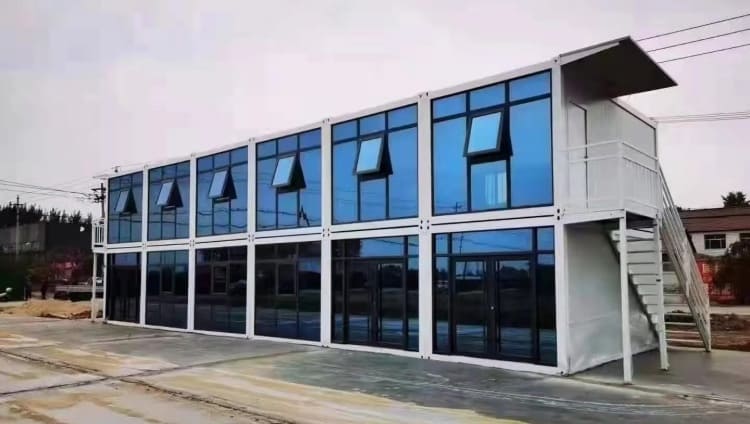
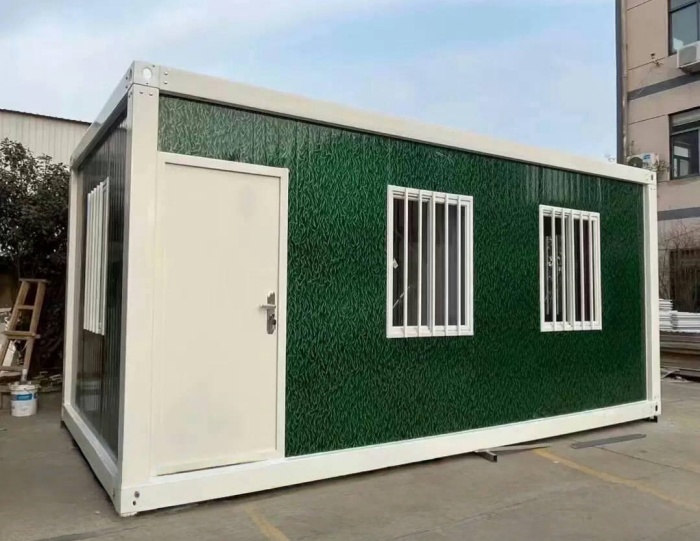
A container house is a temporary or semi-permanent building converted from shipping containers or purpose-built modular container units. These structures can be stacked, combined, and customized to form complete building complexes.
Core Features of Container Houses
Container houses are built on professionally modified steel frames and usually include insulation, electrical systems, plumbing, and interior finishes.
Key features include:
Strong and durable structure
Excellent resistance to wind, earthquakes, and external impactsHigh modularity
Easy transportation, assembly, disassembly, and relocationStackable design
Multi-story configurations help save land spaceHigh customization level
Interior layouts and functions can be tailored to project needs
Typical Application Scenarios
Container houses are widely used for:
Medium- and long-term construction projects
Worker dormitories and living areas
Site offices and meeting rooms
Supporting facilities such as canteens, bathrooms, clinics, and recreation rooms
Special-purpose spaces including laboratories and monitoring rooms
Advantages of Container Houses
Key advantages include:
Excellent structural stability and safety
Better thermal insulation and soundproofing than tents
Short on-site installation time due to prefabrication
Environmentally sustainable through container reuse
Significantly improved living comfort for workers
Limitations of Container Houses
Container houses also have some constraints:
Higher transportation and lifting costs
Fixed unit dimensions limit layout flexibility
Higher initial investment compared to tent shelters
Tent Shelters vs. Container Houses: Key Differences
When choosing temporary accommodation for a construction site, the differences mainly appear in safety, comfort, cost, flexibility, lifespan, and suitable scenarios.
Safety and Structural Stability
Tent Shelters
Lightweight structure
Moderate wind and seismic resistance
Require reinforced anchoring
Container Houses
High-strength steel structure
Strong wind and earthquake resistance
Higher overall safety level
Living Comfort
Tent Shelters
Basic thermal and acoustic insulation
Indoor comfort more affected by weather
Container Houses
Good insulation and soundproofing
More stable and comfortable indoor environment
Cost and Investment
Tent Shelters
Lower initial construction cost
Minimal cost for dismantling and relocation
Container Houses
Higher initial modification cost
Additional transportation and lifting expenses
Flexibility and Installation Speed
Tent Shelters
Extremely fast to set up and dismantle
Highly flexible in size and layout
Container Houses
Modular combinations available
Fixed unit dimensions limit layout changes
Lifespan and Reusability
Tent Shelters
Suitable for months to a few years
Limited reuse cycles
Container Houses
Can last many years with proper maintenance
Suitable for long-term and repeated use
Best Application Scenarios
Tent Shelters
Short-term construction projects
Emergency response situations
Temporary storage and auxiliary areas
Container Houses
Medium- to long-term projects
Worker accommodation and site offices
Dining halls and multi-functional buildings
How to Choose the Most Suitable Temporary Accommodation
Selecting the right solution depends on several key factors.
1. Project Duration and Scale
Short-term or small projects
Tent shelters offer faster deployment and lower costMedium- to long-term or large projects
Container houses provide stability and comfort
2. Budget Considerations
Limited initial budget → Tent shelters
Long-term lifecycle cost optimization → Container houses
3. Functional and Living Requirements
Simple offices, storage, or rest areas → Tent shelters
Long-term worker accommodation with dining and bathing → Container houses
4. Environmental and Security Factors
Harsh climates → Container houses perform better
Higher fire and security requirements → Container houses
5. Regulatory Compliance
Before making a final decision, always review local planning, fire safety, environmental, and temporary building regulations to ensure compliance.
Summary
Tent shelters and container houses each serve important roles in construction-site accommodation. Tent shelters excel in speed, flexibility, and cost control for short-term or emergency use. Container houses offer superior durability, comfort, and safety for medium- to long-term projects. By evaluating project duration, budget, functional needs, environmental conditions, and regulations, builders can confidently choose the most suitable temporary accommodation solution.