Design with Nature in Mind
Eco glamping is all about harmony between comfort and the environment.
Every design choice—from building materials to layout—can help reduce your site’s carbon footprint while enhancing guest experience.
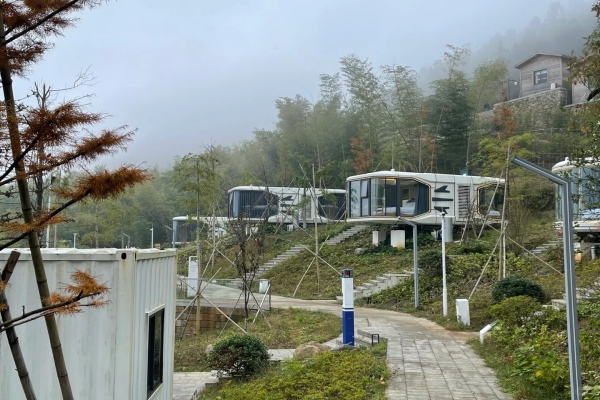
By embracing sustainable design principles, you not only protect nature but also appeal to modern travelers who value responsible tourism.
Choose Sustainable Building Materials
Start with materials that are renewable, durable, and locally sourced.
Bamboo, reclaimed wood, cork, and recycled metal are excellent options that minimize waste and transportation emissions.
These natural materials also add warmth and authenticity to your cabin aesthetic, creating a stronger connection with the outdoors.
Embrace Passive Design Principles
Good design saves energy before technology even comes into play.
Optimize your cabin’s orientation and insulation to make the most of natural light and airflow.
Features like double-glazed windows, cross-ventilation, and overhanging roofs reduce the need for artificial heating and cooling—cutting costs while keeping interiors comfortable.
Incorporate Renewable Energy Solutions
Power your glamping site sustainably with solar panels, micro wind turbines, or battery storage systems.
For off-grid locations, these renewable solutions ensure consistent power while promoting your brand’s eco commitment.
Highlighting your sustainability efforts also appeals to environmentally conscious guests.
Use Water-Wise and Waste-Reducing Systems
Water is a precious resource—especially in remote locations.
Install low-flow faucets, rainwater collection tanks, and greywater recycling systems to reduce waste.
Composting toilets and biodegradable cleaning supplies further enhance your eco-friendly operations while keeping maintenance costs low.
Blend Natural Aesthetics with Functionality
An eco-friendly cabin can still be beautiful. Integrate earth-tone palettes, green roofs, and native landscaping to create a seamless transition between structure and nature.
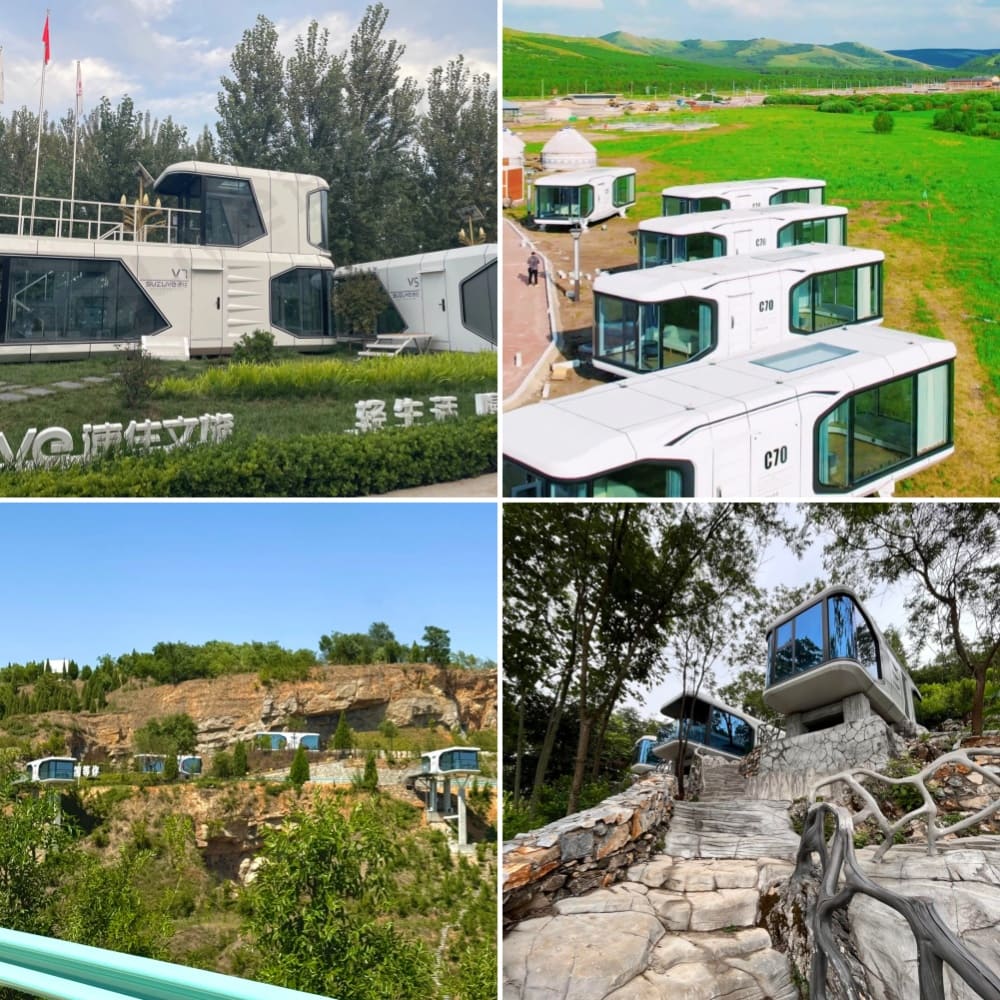
Use locally inspired décor and sustainable textiles to complete the look—creating spaces that feel both grounded and luxurious.
Final Thought: Design That Respects Nature
Sustainability isn’t just a trend—it’s a long-term strategy for success.
By choosing eco-friendly materials, renewable energy, and nature-inspired aesthetics, you can build glamping cabins that are beautiful, responsible, and future-proof.
Summary
Sustainable glamping design blends comfort with conservation.
Using natural materials, renewable energy, and smart layouts reduces environmental impact while appealing to guests who seek authentic, eco-conscious stays[^1].
[^1]: Learn how to attract environmentally aware travelers by providing eco-conscious accommodations.