People planning a new home often ask the same question:
What’s the difference between a stick-built home and a modular home?
Let’s start with the obvious—“stick built” sounds funny. It almost sounds like someone is assembling a house with twigs and branches. In reality, stick-built homes are simply houses constructed on-site, typically using wood framing.
The real difference between stick-built and modular homes isn’t about quality—it’s about how and where the home is built. This guide breaks down the key differences so you can decide which option makes sense for your project.
Stick Built vs Modular Homes: The Core Difference
Stick-built homes are constructed entirely on-site
Modular homes are built in a factory, then shipped to the homesite for installation
“Stick built” can describe many architectural styles, as long as construction happens on-site
Some people also use “stick built” to refer specifically to wood-frame homes, as opposed to concrete block homes
No matter how you define it, the construction method is the primary distinction.
Stick Built vs Block Homes (Wood Frame vs Concrete Block)
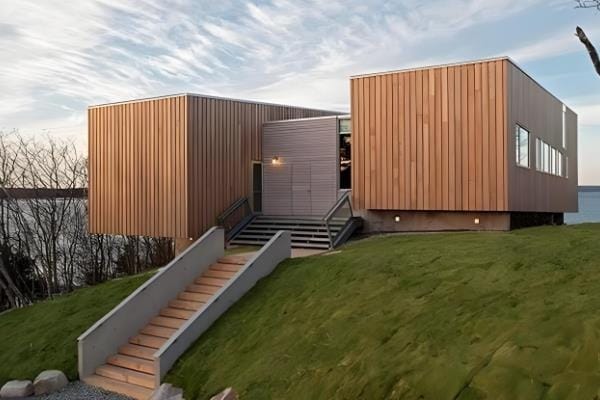
Some homeowners use “stick built” to mean wood-framed houses, so it’s helpful to clarify the difference between wood frame and block homes.
Wood Frame Homes
Easier to remodel or expand later
Better flexibility for additions and layout changes
Generally lower upfront construction costs
Block Homes
Extremely durable and weather-resistant
Popular in areas with hurricanes or extreme climates (e.g., Florida)
Resistant to termites and wood-destroying insects
Typically cost more to build than wood-frame homes
Both construction types can result in excellent homes—the builder’s skill often matters more than the material itself.
Stick Built vs Modular Homes: Cost Comparison

Modular homes usually have a cost advantage thanks to factory efficiency. Materials are purchased in bulk, labor is streamlined, and weather delays are eliminated.
Modular homes can cost 10–20% less than comparable stick-built homes
Shipping and setup costs reduce some of the savings but rarely erase them
Energy efficiency is often better in modular homes due to controlled factory conditions
Hidden Costs to Consider
Even with modular homes, buyers should budget for:
Plumbing and electrical connections
HVAC installation
Foundation and site preparation
Overall, modular homes tend to be the more cost-effective option.
Stick Built vs Modular: Build Time
When it comes to speed, modular homes win.
Modular homes: often delivered in 4 months or less
Stick-built homes: typically 6–9 months, sometimes longer
Both options still require permits, land prep, utilities, and inspections. However, if speed is your top priority, a factory-built modular home is usually the faster route.
Design Flexibility: Which One Offers More Freedom?
This is where stick-built homes shine.
Stick-Built Homes
Fully custom to the lot
Easier to modify during construction
Fewer size and transport limitations
Modular Homes
Customizable within factory options
Layout and size limited by shipping constraints
Changes after production begins are difficult
If you expect to change your mind mid-build or want a highly customized layout, stick-built homes offer greater flexibility.
Modular vs Stick Built: Garage Considerations
Garages follow similar logic to homes.
Stick-Built Garages
Built on-site with full customization
More design freedom
Higher cost and longer build time
Modular Garages
Faster and cheaper
Limited customization
Require on-site foundation and finishing work
Both options work well depending on budget, timeline, and design expectations.
Which Is Better: Stick Built or Modular?
There’s no universal winner—it depends on your priorities:
| Priority | Better Option |
|---|---|
| Lower cost | Modular |
| Faster build | Modular |
| Custom design freedom | Stick Built |
| Easier future expansion | Stick Built |
| Energy efficiency | Modular |
| Extreme weather durability | Block or Modular |
Conclusion
The real difference between stick-built and modular homes comes down to construction method, cost, speed, and flexibility. Stick-built homes offer unmatched customization, while modular homes deliver faster timelines and lower costs through factory efficiency.
By understanding these trade-offs, you can choose the building method that best fits your budget, timeline, and long-term plans.