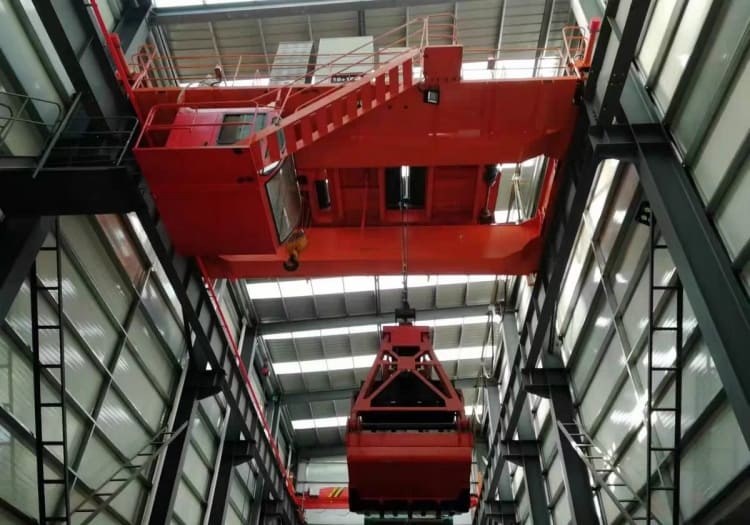
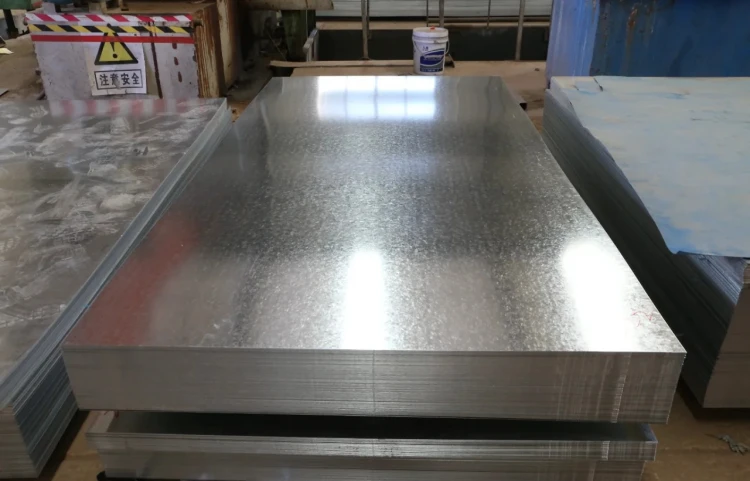
A well-planned workshop design ensures production efficiency, construction quality, safety, and long-term sustainability. Key factors include steel selection, structural layout, and optimized construction processes.
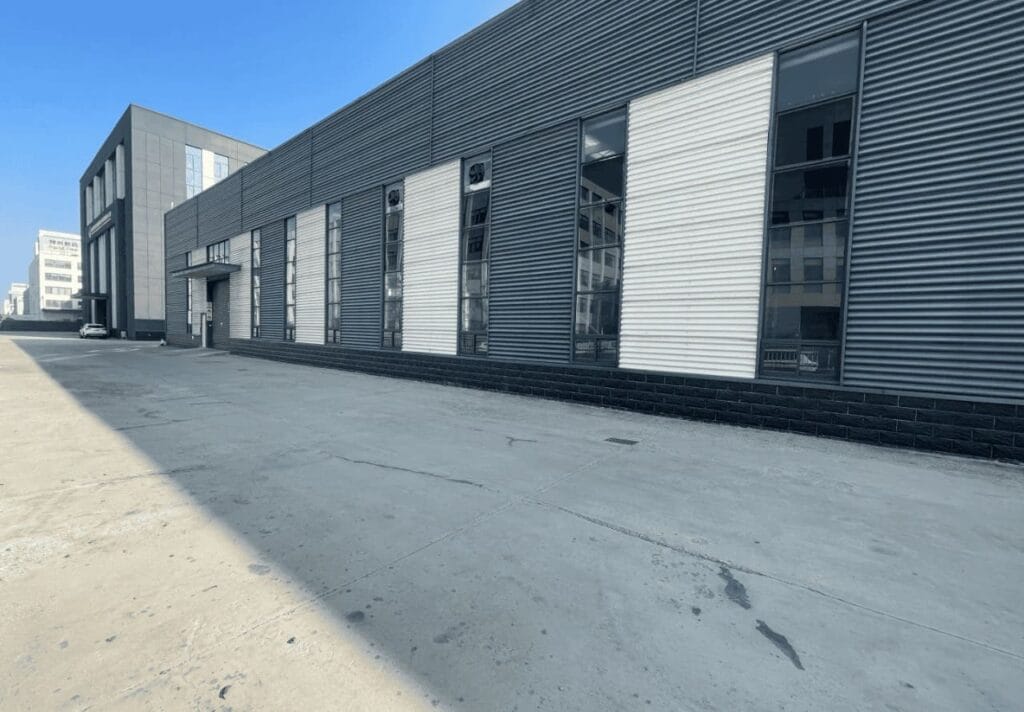
This guide will walk you through the principles, key design considerations, and optimization tips for building a safe and efficient steel structure workshop.
Basic Principles of Steel Structure Workshop Design
Structural System Selection
Steel workshops usually require wide, open spaces. The two most common systems are:
- Frame Structure – Ideal for large spans and flexible layouts. It provides strong load-bearing capacity and can be customized to production needs.
- Portal Frame Structure – Suitable for small to medium spans. Known for simple construction, high material efficiency, and resistance to wind and earthquakes.
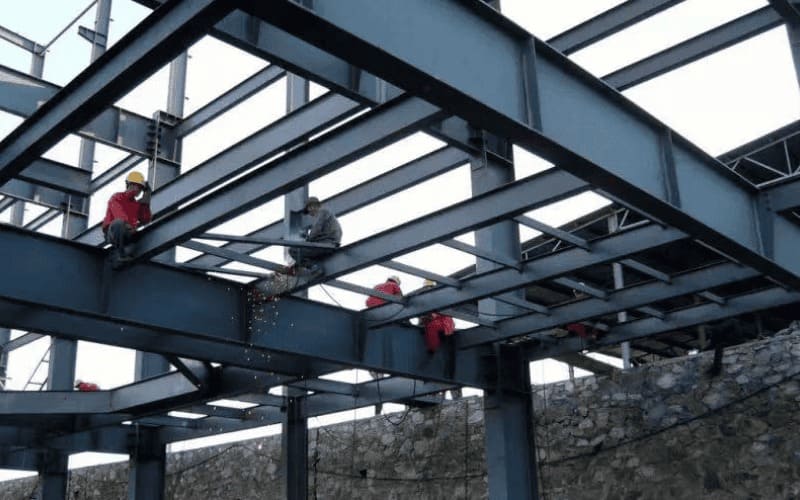
Load Calculation
Steel workshops must withstand construction loads, wind, rain, snow, and maintenance loads. Roof panel performance depends on panel thickness, spacing, and material strength.
Material Selection
- Steel Types – Q235 for standard load capacity; Q345 for higher strength needs.
- Roof & Wall Materials – Color steel plates (good for appearance) or composite panels (better insulation).
11 Key Design Considerations for Steel Structure Workshops
1. Fire Protection
- Use fire-retardant coatings that meet standards.
- Plan fire partitions and evacuation routes for safety.
2. Anti-Corrosion
- Apply anti-corrosion coatings (epoxy, polyurethane).
- Protect underground steel with concrete wrapping.
3. Moisture-Proofing
Prevent condensation by using insulation cotton, waterproof membranes, and ventilation nodes.
4. Lightning Protection
Design grounding systems to safely discharge lightning strikes.
5. Seepage Prevention
Seal joints with gaskets, hidden fixings, and waterproof sealants. Use full-length panels to minimize leaks.
6. Sound Insulation
Fill roof layers with insulation cotton to reduce noise transmission.
7. Heat Insulation
Use materials like glass wool or rock wool to stabilize indoor temperature.
8. Natural Lighting
Add skylights or lighting glass panels to save energy. Ensure waterproofing around joints.
9. Temperature Expansion Joints
Install flexible joints (rubber or metal) to absorb stress from thermal expansion.
10. Support System Design
Include straight and diagonal roof supports to balance load and save materials.

Aesthetic and Functional Design
Appearance
- Neutral, industrial tones for easy maintenance.
- Simple facades that blend with surroundings.
Eco-Friendly Features
- Energy-saving insulation and natural ventilation.
- Designs that reduce carbon footprint.
Optimizing Construction Process
Prefabrication
Most components are factory-made to ensure accuracy, reduce errors, and shorten construction timelines.
Connection Node Design
- Beam-Column Joints – Must handle heavy loads, often welded or bolted.
- Beam-Beam Joints – Designed for high strength in concentrated load areas.
- Column Footing – Steel columns anchored securely to foundations.
Conclusion: Optimize Your Workshop Design
By combining safety, efficiency, cost-effectiveness, and sustainability, steel structure workshops can serve long-term needs while cutting costs.
If you’re planning a workshop project, our team can provide customized design solutions that reduce expenses, save time, and ensure durability.