Overwhelmed by rigid designs, slow builds, and eco-drains? Steel systems smash limits with strength, speed, and sustainability—crafting safe, stunning landmarks that elevate functionality and flair.
Steel structure systems excel in high-rises, spans, and industrials via types like rigid frames, tubulars, and grids—offering durability, flexibility, and recyclability while slashing costs and timelines for innovative, quake-proof builds.
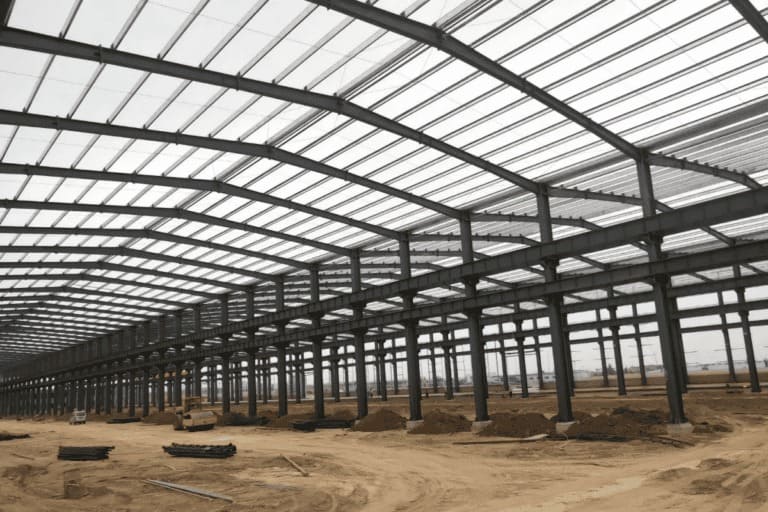
Curious how these powerhouse systems stack up against traditional methods? Dive in as we unpack advantages, types, applications, and tips to supercharge your next project with steel savvy.
Why Are Steel Structure Systems Superior for Today’s Builds?
Frustrated with brittle materials that crack under pressure? Steel systems deliver unbreakable resilience, turning vulnerability into victory for enduring architectural triumphs.
They boast high strength for heavy loads, design flexibility for bold forms, rapid prefab efficiency to cut timelines, and full recyclability for green cred—ideal for high-rises, spans, and industrials.
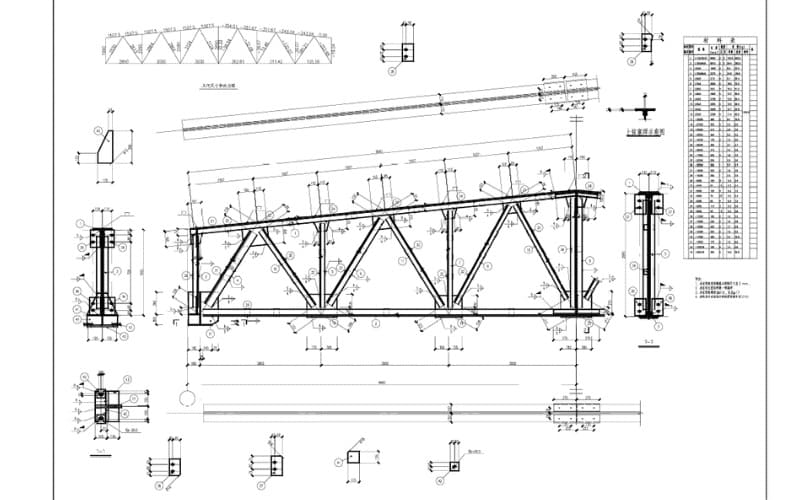
Unravel the edge: High-strength alloys shrug off corrosion via galvanizing, enabling 100+ year lifespans in harsh climes—slashing maintenance by 40%. Flexibility? Lightweight beams bend to visionary curves without bulk. Construction zips 50% faster with factory mods, dodging weather woes. Sustainability shines: 90% recyclable, zero-waste teardowns fuel circular economies. Critically, integrate BIM for seamless load sims, averting overbuilds.
High Strength & Durability
- Edge: Withstands quakes, winds; low upkeep.
- Pro Tip: Galvanize for coastal gigs.
Design Flexibility
- Edge: Open plans, custom aesthetics.
- Pro Tip: Pair with glass for light floods.
Construction Efficiency
- Edge: Prefab halves labor, timelines.
- Pro Tip: Modular kits for phased rolls.
Sustainability
- Edge: Recycles endlessly, cuts emissions.
- Pro Tip: Source FSC-certified for LEED boosts.
| Advantage | Benefit | Quantifiable Win | Application Fit |
|---|---|---|---|
| Strength | Load/Env. Resistance | 50% less material | High-rises |
| Flexibility | Innovative Forms | 30% faster design | Custom venues |
| Efficiency | Quick Install | 40% cost drop | Urgent projects |
| Sustainability | Eco-Reuse | 90% recyclable | Green certs |
These perks don’t just build—they redefine resilient realms.
What Are the Most Common Types of Steel Structure Systems?
Stuck with clunky setups that stifle space? Discover streamlined systems that unlock vast, vibration-free volumes for seamless structural success.
Key types include plane load-bearing for simples, rigid frames for stability, braced/shear for quakes, cantilevers for supers, tubulars for spans, framed/bundled for highs, and spatial grids/cables for opens—each tuned for loads and locales.
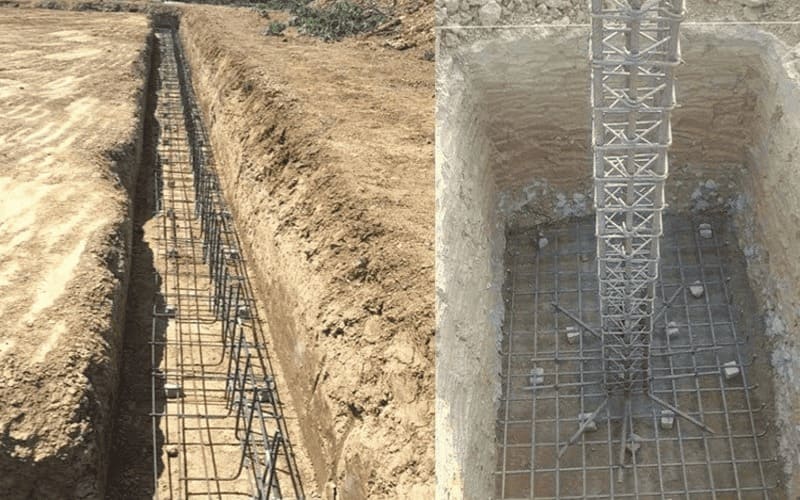
Go granular: Plane systems suit boxy warehouses with parallel planes for even verticals—easy, econo. Rigid frames lock beams-columns rigidly, dispersing laterals for mid-highs. Braced add diagonals/shears for seismic shields in risks. Cantilevers truss cores to edges, damping sway in towers. Tubulars tube triangles for arena arches, mega-stable. Framed tubes encase perimeters for stiff highs; bundled multiples amp for icons like Sears. Spatial? Grids mesh rods for airport vaults; cables tense for bridge bows; membranes flex for pop-ups. Critically, hybridize for hybrids—e.g., tubular + braced for coastal towers.
Plane Load-Bearing
- Use: Factories, balanced regs.
- Why: Simple, swift.
Rigid Frame
- Use: Offices, hotels.
- Why: Rigid quake resist.
Braced/Shear Wall
- Use: High-resi in quakes.
- Why: Lateral lockdown.
| Type | Core Feature | Ideal Span/Height | Standout Project |
|---|---|---|---|
| Tubular | Triangle Tubes | Large (50m+) | Stadiums |
| Framed Tube | Perimeter Box | High (20-50 stories) | Skyscrapers |
| Bundled Tube | Multi-Tube Cluster | Super-High (50+ stories) | Willis Tower |
| Grid Structure | Rod Mesh | Vast Open | Airports |
| Cable Suspension | Tension Wires | Bridges/Roofs | Golden Gate |
Pick per peril for peak performance.
How Do Steel Systems Shine in High-Rise Buildings?
Dizzy from drafts and drifts in towering tests? Steel elevates highs with rock-solid rigs that steady against skies and shakes.
Rigid frames, framed tubes, and bundled tubes dominate—rigidly linking beams-columns for loads, tubing perimeters/ bundles for seismic stiffness, ensuring sway-free safety in urban spires.
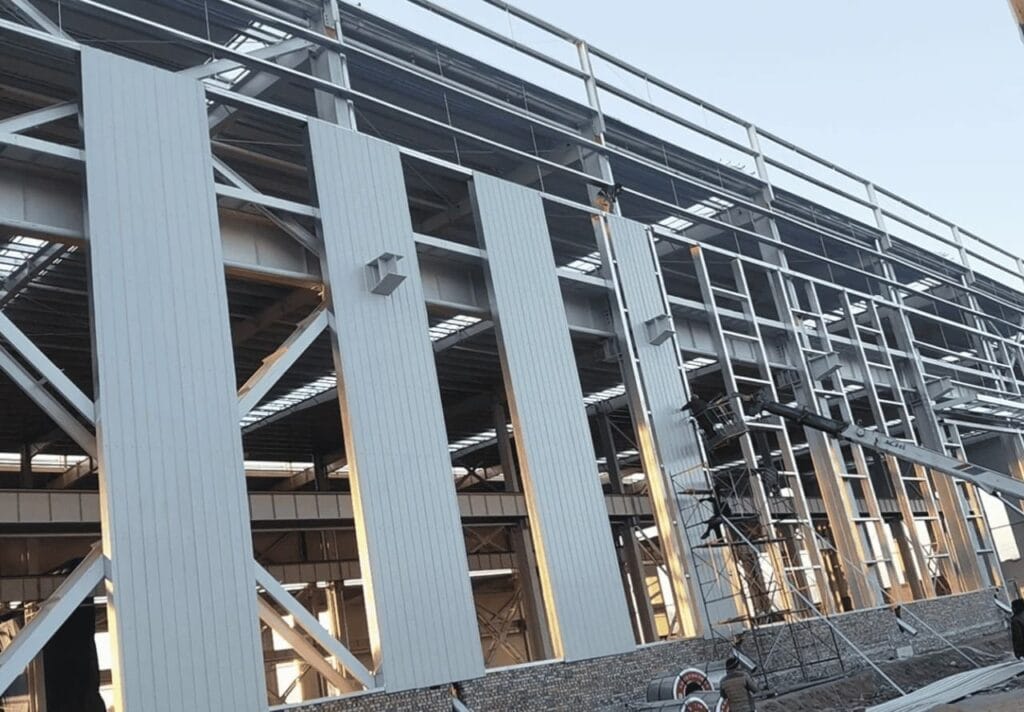
Break it down: Rigid frames forge unbreakable beam-column welds, channeling verticals/horizontals for 20-30 story offices—cost-curbing continuity. Framed tubes sheath exteriors in stiff steel/concrete hybrids, slashing core needs by 25% for quake zones. Bundled? Cluster tubes like Willis, multiplying might for 100+ floors, bending not breaking in gales. Critically, factor wind tunnels early—tune dampers to cut vibes 30%. All prefab, slashing site time 60%.
Rigid Frame System
- Strength: Load dispersion.
- Fit: Mid-high offices.
Framed Tube
- Strength: Perimeter rigidity.
- Fit: Quake-high resi.
Bundled Tube
- Strength: Multi-tube power.
- Fit: Iconic supers.
| System | Seismic Edge | Height Sweet Spot | Efficiency Hack |
|---|---|---|---|
| Rigid Frame | Good dispersion | 10-30 stories | Weld for continuity |
| Framed Tube | High stiffness | 30-60 stories | Hybrid concrete-steel |
| Bundled Tube | Ultimate bundle | 60+ stories | Cluster for wind cut |
These sky-soarers secure legacies.
What Powers Long-Span and Industrial Steel Marvels?
Cramped by columns in colossal needs? Long-span and industrial steels span free, forging fluid factories and forums that flow unbound.
Grids, cables, membranes for spans in gyms/exhibits; plane/braced for industrials—meshing rods for opens, tensing wires for bridges, planing simples for warehouses with lateral braces for risks.
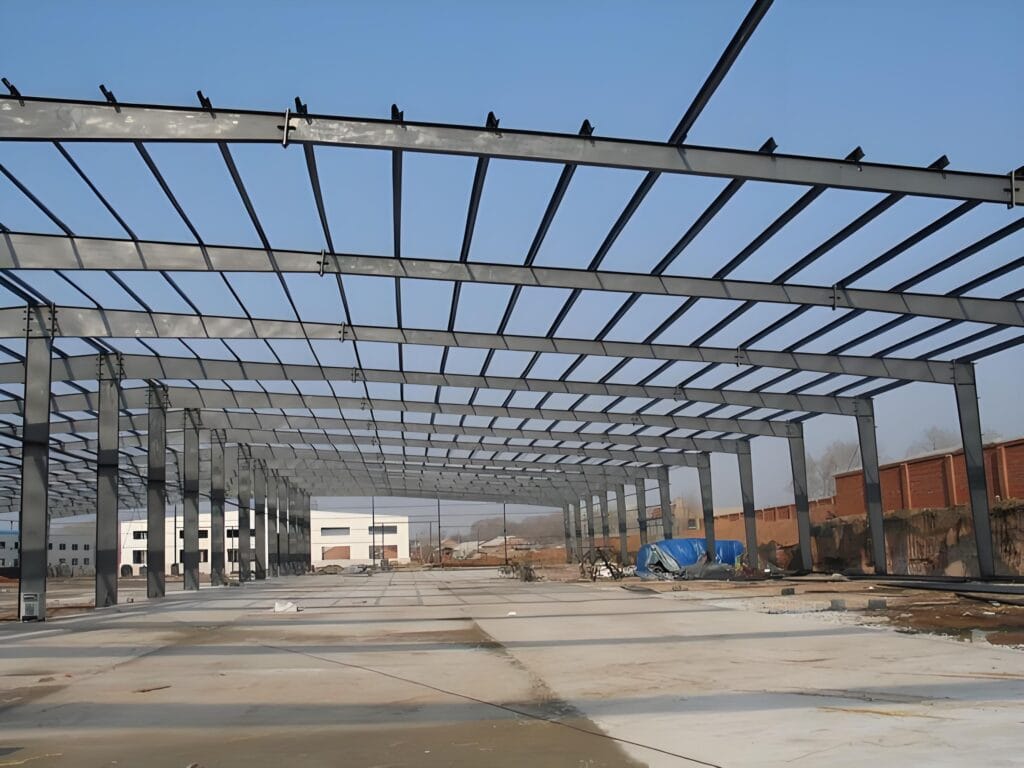
Delve deep: Grids lattice rods for 100m+ vaults in arenas—light, load-smart. Cables suspend spans via tension, ideal for bows like Akashi, dispersing dynamics. Membranes cable-wrap fabrics for lightweight pop-ups, tensile triumphs. Industrials? Planes parallel for warehouse basics, braced diagonals for quake-proof plants—adding 20% stability sans bulk. Critically, span calcs via FEA prevent flex fails; coat for chem resists.
Long-Span: Grid Structure
- Power: Open vaults.
- Venue: Stadiums.
Long-Span: Cable Suspension
- Power: Vast bridges.
- Venue: Infra icons.
Industrial: Plane Load-Bearing
- Power: Simple efficiency.
- Venue: Factories.
| Type | Span Capacity | Weight Win | Risk Reducer |
|---|---|---|---|
| Grid | 50-100m | 30% lighter | Mesh evens loads |
| Cable Membrane | 20-80m | Ultra-low | Tension tunes |
| Braced Frame | N/A (industrial) | Balanced | Diags for quakes |
| Plane | Short-med | Econ build | Reg for regs |
Unleash untethered utility.
How Can You Nail Steel Structure Construction from Design to Delivery?
Blind to pitfalls in prefab paths? Master mandates from blueprint to bolt-down for blemish-free builds that stand supreme.
Design for loads/envs, select galvanized steels, enforce safety nets/inspects, curb noise/dust—ensuring robust, resilient, resident-friendly rises that last lifetimes.
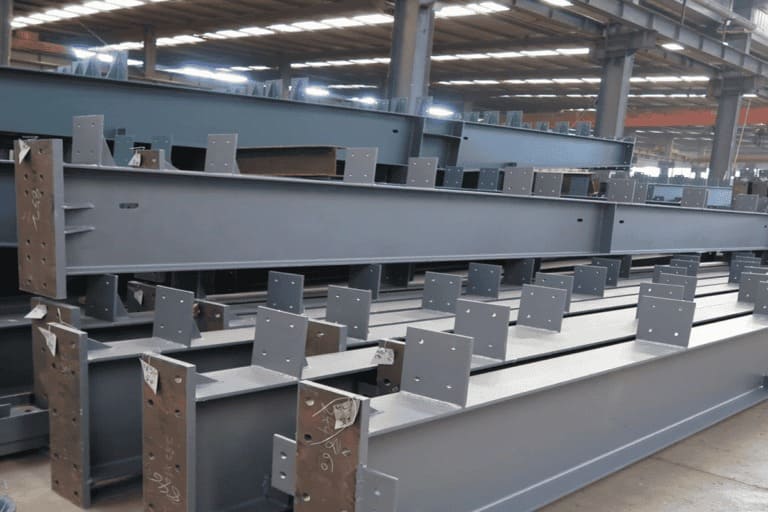
Layer by layer: Design phases crunch verticals (dead/live) + horizontals (wind/quake) via codes, optimizing layouts for flow—BIM boosts accuracy 40%. Materials? High-yield steels hot-dipped for rust-proofing, coatings for chems—extending to 75 years. Safety: Helmets, harnesses, hazard hunts; OSHA aligns for zero-incidents. Env: Dust screens, quiet cranes slash complaints 50%. Critically, supplier audits secure qual—traceability trumps.
Design Phase
- Focus: Load/env sims.
- Tool: BIM for precision.
Material Selection
- Focus: Strength + anti-cor.
- Method: Galvanize/coats.
Construction Safety
- Focus: Worker shields.
- Must: Risk assesses.
| Phase | Key Req | Tool/Tech | Impact Metric |
|---|---|---|---|
| Design | Load Balance | FEA Software | 20% overdesign cut |
| Materials | Durability | Galvanizing | 50% life extend |
| Safety | Compliance | Harness Nets | Zero accidents |
| Env Impact | Pollute Control | Dust Barriers | 60% emission drop |
Seal success systematically.
Conclusion
Steel systems—from rigid to spatial—empower durable, dynamic designs across highs, spans, and industrials, blending strength, speed, and sustainability for visionary victories.