A Practical Guide for Industrial & Warehouse Applications
Steel structure platforms play a vital role in modern factories, warehouses, and processing plants. A well-designed steel platform improves space utilization, load safety, and operational efficiency—especially in industrial environments where reliability is critical.
This guide explains the main classifications of steel structure platforms, their advantages, structural components, and key design considerations, helping B2B buyers and project managers make informed decisions.
Classification of Steel Structure Platforms by Usage
Auxiliary Production Platforms
Auxiliary platforms are designed for light-duty tasks such as tool storage, material placement, or supporting small equipment. They are widely used in workshops and maintenance areas where frequent access is required.
Production Operation Platforms
These platforms are directly involved in production activities and designed for higher load demands.
Medium-Duty Platforms (4.0–8.0 kN)
Suitable for equipment maintenance, inspection areas, and general industrial storage.Heavy-Duty Platforms (≥10.0 kN)
Designed for steel plants, manufacturing lines, and heavy machinery environments requiring high load-bearing capacity.
Classification by Load Type
Static Load Platforms
Designed for fixed loads such as storage racks or permanently installed equipment. These platforms are common in warehouses and have relatively simple structural designs.
Dynamic Load Platforms
Used where vibration, impact, or moving equipment is present. Reinforced connections and bracing are essential for long-term stability in steel mills and production plants.
Classification by Load Capacity
Light-Duty Platforms (~2.0 kN)
Ideal for walkways, inspection platforms, and observation decks.Standard Platforms (4.0–8.0 kN)
Common in logistics centers and industrial workspaces.Heavy-Duty Platforms (>10.0 kN)
Built for extreme industrial loads and continuous operations.
Classification by Support Method
Platforms Supported by Building Columns
A cost-effective solution for lighter loads, using existing structural columns.
Independent Support Platforms
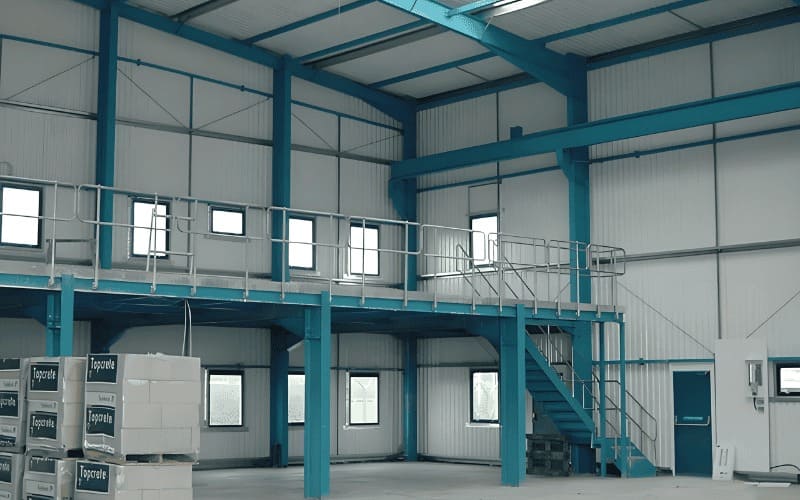
Supported by dedicated columns, offering flexibility for large spans and heavy machinery.
Equipment-Supported Platforms
Attached directly to large equipment, saving space and material costs.
Fully Independent Platforms
Self-standing structures ideal for open layouts and future expansion.
Advantages of Steel Structure Platforms
Steel platforms are widely used in industrial projects due to their long-term value and performance.
Key Benefits:
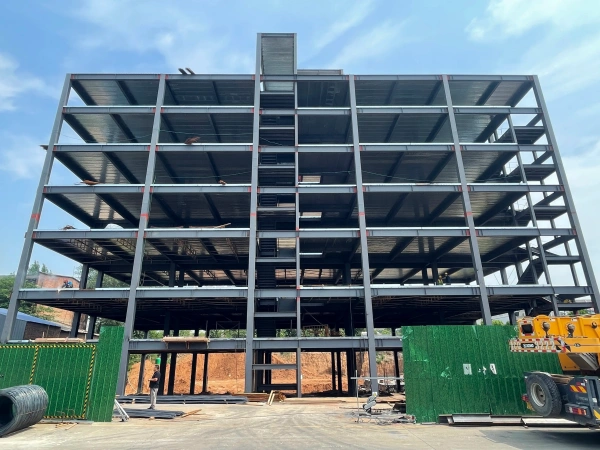
High strength and load stability
Fast prefabrication and installation
Flexible and customizable layouts
Lower long-term maintenance costs
Excellent space utilization
Eco-friendly and recyclable material
Integrated safety features (guardrails, anti-slip decking)
Easy transportation and modular expansion
Composition of a Steel Structure Platform
Main Structural Components
Primary & Secondary Beams – Load-bearing framework
Columns – Vertical support using H-sections or tubular steel
Floor Decking – Steel grating or composite slabs with anti-slip finish
Bracing Systems – Lateral stability against vibration and seismic forces
Safety & Access Components
Staircases and ladders
Guardrails and toe boards
Maintenance access openings
Materials & Surface Protection
Structural steel grades (ASTM A36 / A992)
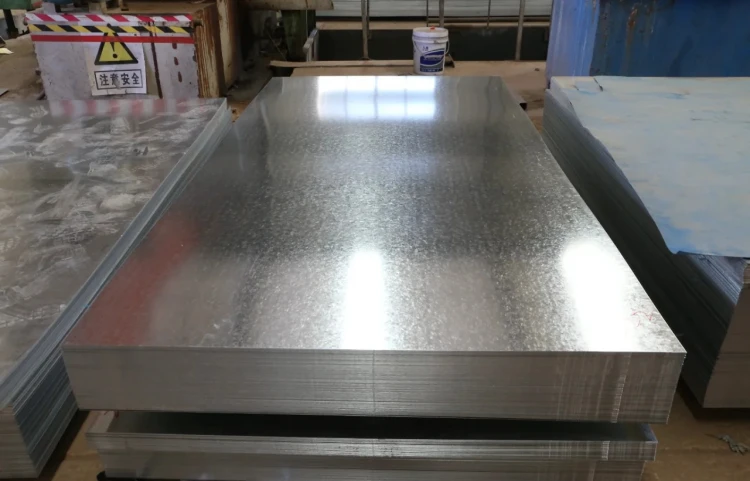
Hot-dip galvanizing or industrial paint coating
Non-slip surface treatment for wet or oily environments
Installation & Layout Requirements
Proper layout planning ensures safety, workflow efficiency, and future scalability.
Minimum clearance height: ≥1.8 m
Guardrail height: ~1.0 m
Platforms above 2 m require toe boards
Load distribution must consider concentrated machinery loads
Foundations should match soil and environmental conditions
Key Considerations for Industrial Steel Platforms
Load & Vibration Control
Industrial platforms must handle both static equipment loads and dynamic forces from moving machinery.
Environmental Adaptation
High heat: expansion joints and heat-resistant steel
Humid/coastal: galvanized or stainless steel
Dust & moisture: sealed decking and anti-slip coatings
Accessibility & Workflow
Design should integrate stairs, conveyors, and material handling paths seamlessly.
Future Expansion
Modular bolt-connected platforms allow easy upgrades without full reconstruction.
How to Choose the Right Steel Structure Platform
Before selecting a steel platform, evaluate:
Required load capacity
Static vs dynamic load conditions
Available space and ceiling height
Environmental exposure
Local safety standards
Budget vs long-term ROI
A well-planned steel platform reduces operational risk and maximizes return on investment.
Summary
Steel structure platforms offer a reliable, flexible, and cost-effective solution for industrial and warehouse applications. By understanding platform classifications, load requirements, and structural design principles, B2B buyers can select systems that improve safety, efficiency, and long-term operational value.
A professionally designed steel platform is not just a structure—it’s a strategic investment in productivity and growth.