Skip to content
You may not notice the steel beams, but every time you walk into a skyscraper, cross a bridge, or watch a game in a stadium, they are working behind the scenes. The steel beams are essential for each large building.
Acting as the “skeleton” of modern buildings, they support and distribute loads, ensuring safety and stability when you are walking into the buildings.
In this guide, we’ll explore:
- What are steel structure beams?
- Types of steel beams
- Manufacturing process
- Applications in construction
- Advantages and performance factors
- Tips for design, selection, and extending the service life
一、What Is A Steel Structure Beam?
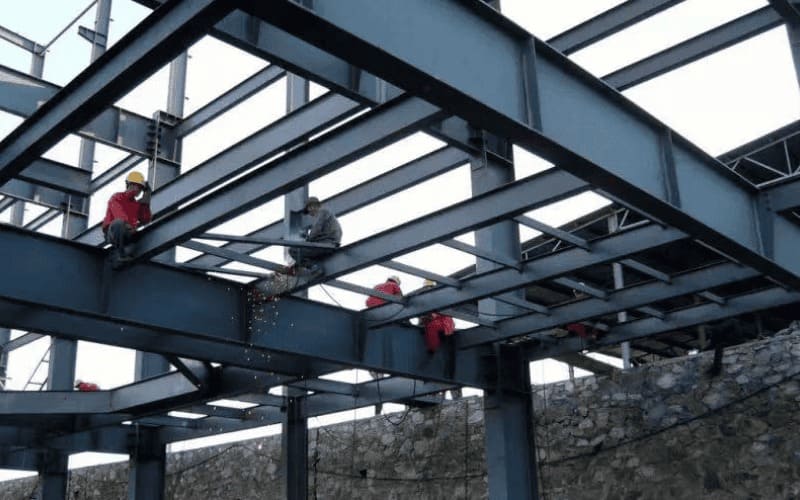
A steel beam, professionally named “steel structural beam,” refers to the beam used in a steel building to bear weight and construct a structure. Commonly applied in floors, roofs, bridges, and large structures, it is widely used as a base material.
Structural steel beams are horizontal or inclined members made of steel. They transfer loads such as gravity, wind, or seismic forces to supporting components like columns, walls, or foundations.
二、Types of Steel Beams
Different types of steel structural beams have different effects. Depending on their different shapes, the steel beams serve different purposes.
| Type | Shape | Key Features | Applications |
|---|---|---|---|
| I-Beams | “I” shape | Vertical load-bearing | High-rise buildings, bridges |
| H-Beams | “H” shape | Wider flanges, stable | Industrial plants, tall frames |
| T-Beams | “T” shape | Lightweight, efficient | Floors, roofs |
| C-Channels | “C” shape | Open side, versatile | Wall supports, roof trusses |
| Box Beams | Rectangular | High torsional resistance | Bridges, long-span structures |
三、Manufacturing Process of Steel Beams
- Melting and Casting – Iron ore and scrap steel are melted with alloying elements for strength.
- Hot Rolling—The molten steel is shaped into I-beams, channels, or other profiles.
- Cooling and Cutting – Structural steel beams are trimmed, galvanized, and surface-treated for durability.
Common Materials:
- Carbon Steel – affordable, widely used (Q235, Q345)
- Alloy Steel – stronger, corrosion-resistant
- Stainless Steel – high resistance, higher cost
- High-Strength Steel – for heavy loads and long spans
四、Applications of Steel Beams
Building Structures
- High-Rise Buildings – Supports floors and roofs, maximizing open space.
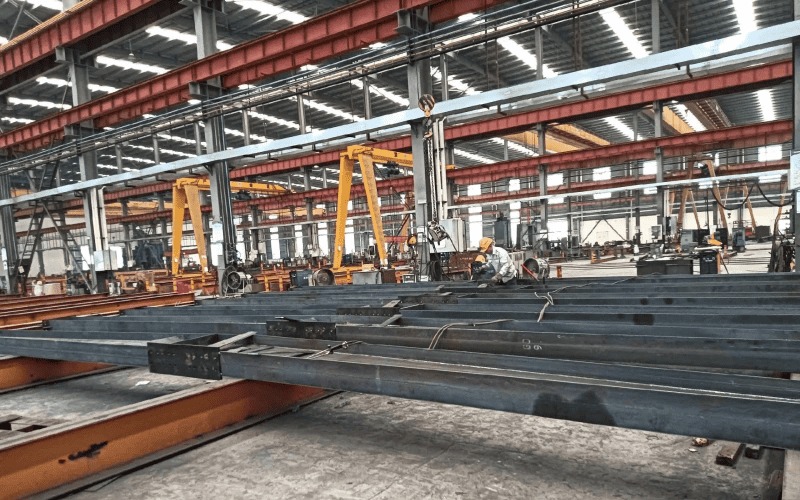
- Industrial Warehouses – Load-bearing for heavy machinery and equipment.
Bridge Engineering
- Beam Bridges—Main load-bearing elements.
- Suspension Bridges – Work with cables for stability in extreme conditions.
Infrastructure
- Sports Venues—Create column-free, wide-span roofs.
- Airport Terminals – Support large curtain walls and open designs.
Prefabricated and Modular Construction
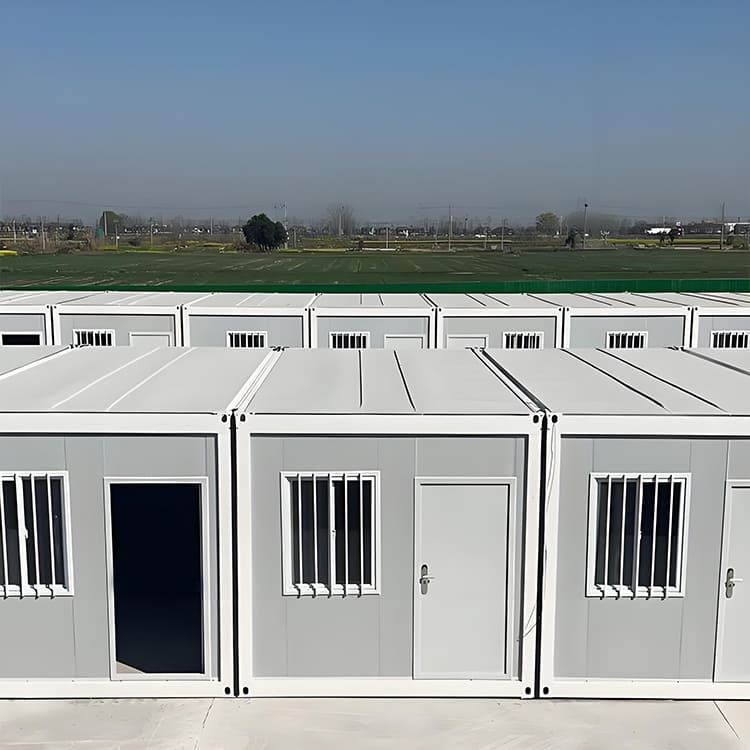
Prefab steel structural beams speed up assembly, reduce labor, and enhance durability in modular homes and offices.
五、Advantages and performance factors
1. Advantages of Steel Beams
- High Strength & Lightweight – Supports heavy loads with reduced foundation needs.
- Durability—Resistant to corrosion and pests; coatings extend lifespan.
- Design Flexibility—Customizable for unique architecture.
- Construction Efficiency – Prefabricated beams allow faster, safer installation.
2. Factors Affecting Steel Beam Performance
- Material Type – Carbon, alloy, stainless, or high-strength steel.
- Beam Size & Shape – Larger cross-sections = higher capacity.
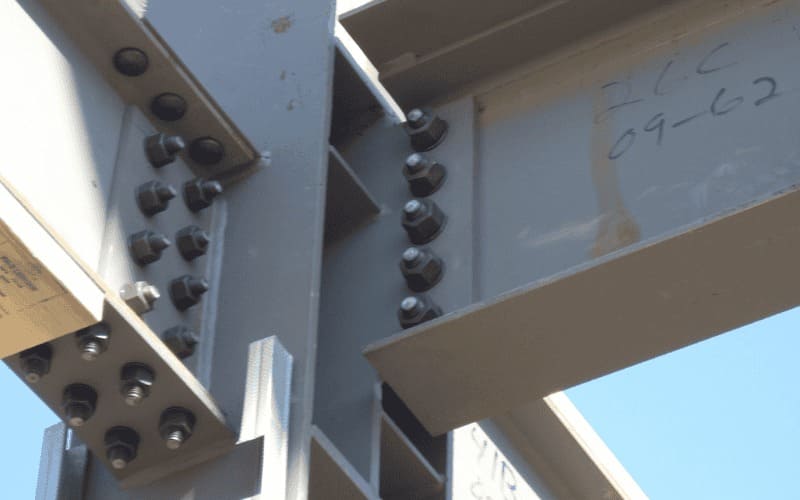
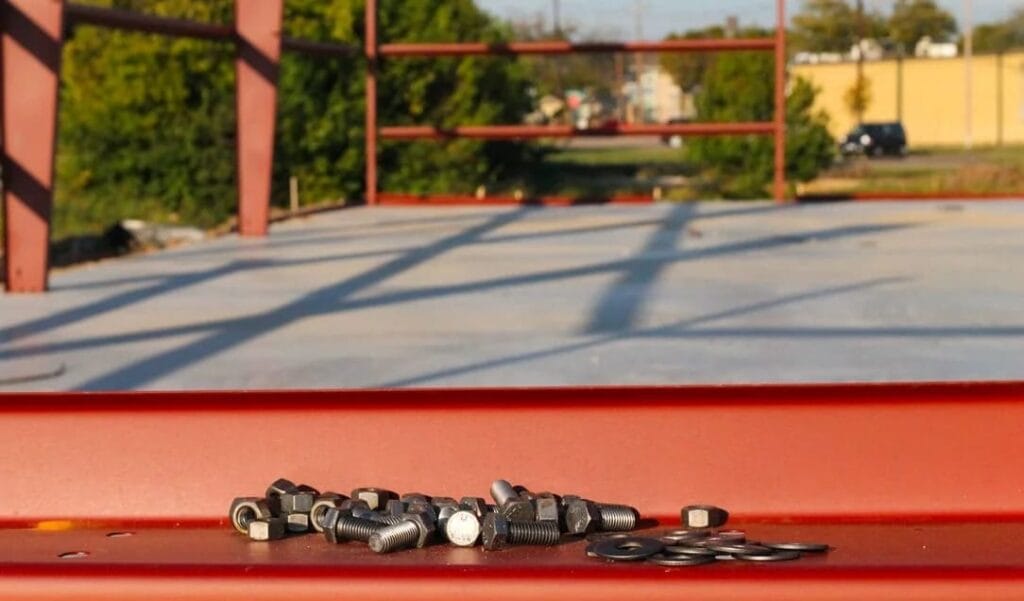
- Connection Method – Welding vs. bolting affects stability.
- Load Conditions – Static, dynamic, or seismic loads.
- Environment – Temperature and corrosion exposure.
- Construction Quality – Proper welding, installation, and inspection.
Tips for design, selection, and extending the service life
1. Steel Beam Aging and Maintenance
Structural steel beams age over time due to:
- Corrosion—Moisture and pollutants cause rust.
- Fatigue—Repeated loads weaken steel.
- Thermal Changes – Expansion and contraction cause distortion.
How to Extend Service Life:
- Regular inspection and maintenance
- Anti-corrosion treatments (galvanization, coatings)
- Routine cleaning and environmental control
- Load management and reinforcement when necessary
2. Design and Selection Tips
When designing or selecting steel structure beams:
- Calculate loads accurately (live, dead, environmental)
- Choose correct span and size
- Select proper connection methods (welding or bolting)
- Match materials to environment and budget
Tip: Understanding Beam Dimensions
Example: W 27 × 178#
- W = Wide Flange beam
- 27 = height in inches
- 178 = weight per foot in pounds
3. Steel Structure Supplier
We provide premium steel beams tailored to steel structure warehouses, factories, and industrial projects. Among different steel beam suppliers, our beams meet strict quality standards, ensuring durability, safety, and long-term performance.

FAQs
What is the difference between steel beams and concrete beams?
Steel beams are lighter, stronger, and faster to install. Concrete beams are cheaper but heavier and slower to build.
How long do steel beams last?
With proper maintenance, over 50 years.
Are steel beams expensive?
The initial cost is higher, but low maintenance and long lifespan make them cost-effective.