As folding container homes continue to redefine affordable housing and modular living, investors and entrepreneurs are finding new opportunities in this growing industry.
From eco-resorts to urban rentals, demand for prefabricated and portable housing is rising sharply in 2025.
If you’re considering entering the market, this step-by-step guide explains how to start a folding container home business efficiently and profitably.
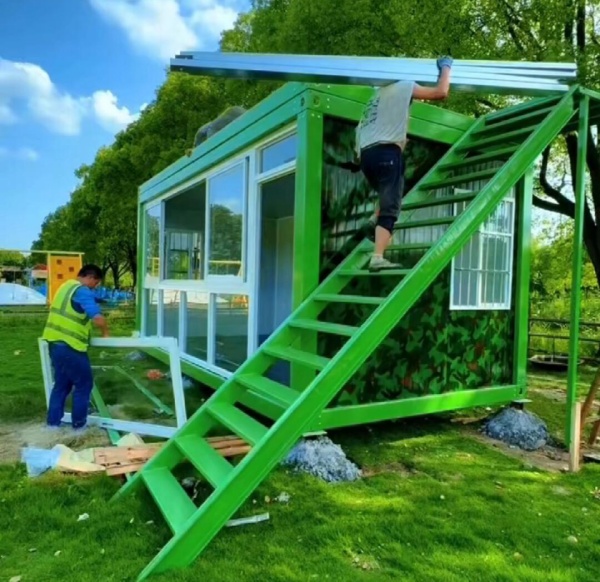
Understand the Market Demand
Before investing, research the target audience and emerging markets:
Glamping sites and eco-resorts seeking fast-deployable units
Affordable housing projects in developing regions
Urban micro-living developments for young professionals
Remote offices or studios for digital nomads
Study regional housing trends and consumer behavior.
In 2025, sustainability, flexibility, and affordability drive purchase decisions—making container homes a perfect fit.
Build Partnerships with Reliable Manufacturers
Choose a certified folding container home manufacturer that provides:
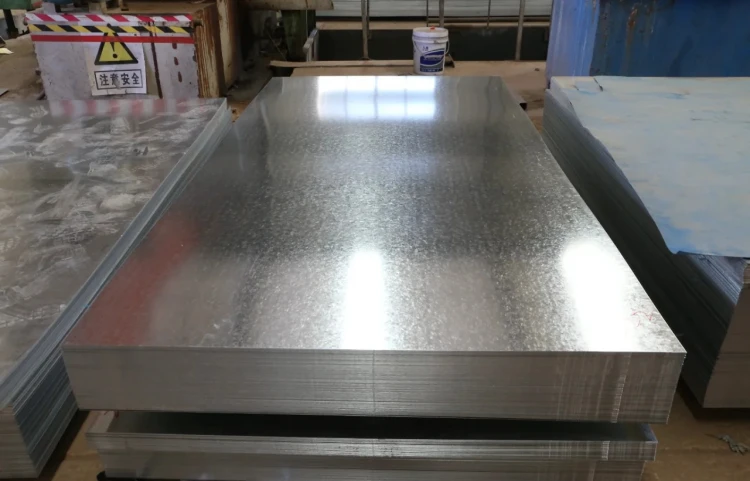
Quality-tested steel structures (Corten or galvanized)
Energy-efficient insulation and glazing
Customizable layouts and turnkey interior packages
Engineering certifications for permits
For instance, Best Steel Structure offers one-stop solutions—from design and production to delivery and after-sales service—reducing your operational burden.
Secure Legal Permits and Zoning Approval
Local zoning laws and building permits differ across countries.
You’ll need to confirm whether modular or prefabricated structures are approved for residential or commercial use in your area.
Steps to follow:
Obtain architectural drawings and engineering reports
Verify compliance with fire, wind, and energy codes
Consult local authorities before purchasing land
Having proper documentation upfront ensures a smooth, compliant installation.
Calculate Investment and ROI
The key to profitability lies in cost control and strategic scaling.
Typical folding container home projects involve:
Initial investment: $20,000–$50,000 per unit (depending on size and customization)
Setup and logistics: $3,000–$8,000
Expected nightly rental (for glamping/business use): $80–$200
With occupancy rates between 70–90%, many operators achieve ROI within 1–2 years.
Choose Your Business Model
There are several ways to monetize folding container homes:
A. Glamping or Resort Rentals – Offer unique stays in scenic areas.
B. Long-Term Leasing – Rent units as affordable housing or mobile offices.
C. B2B Sales – Partner with developers or event companies needing temporary housing.
D. Franchise Model – Build a scalable brand offering design + installation services.
Start small—2 to 5 units—then expand as demand grows. The modular structure makes scaling easy and cost-effective.
Marketing and Branding
Your success depends on visibility and customer experience.
Adopt both online and offline marketing strategies:
Create a professional website optimized for keywords like “folding container home” and “prefab glamping cabin.”
Use high-quality visuals and videos to show installations.
Leverage Instagram, TikTok, and Airbnb to attract lifestyle-driven travelers.
Highlight sustainability, design, and affordability in every campaign.
Offer After-Sales and Customization Services
In a competitive prefab housing market, offering customization adds real value.
Provide options such as:
Solar power packages
Upgraded interiors
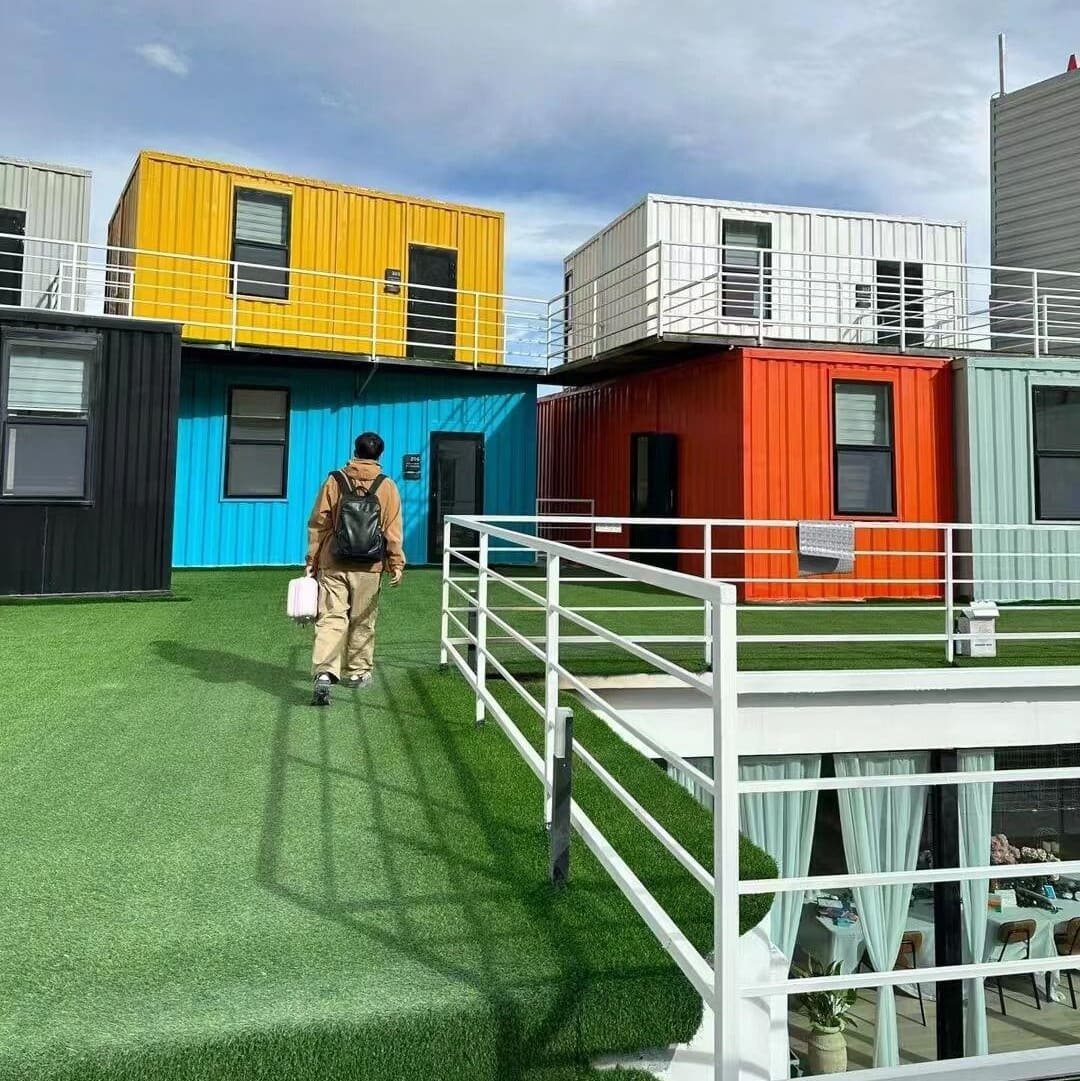
Multi-unit configurations (e.g., two-story homes)
Offering after-sales support—installation help, maintenance, or design upgrades—builds long-term trust and repeat business.
Profitability Outlook for 2025 and Beyond
The folding container home business aligns with global trends in sustainability, mobility, and efficient land use.
As urban density and housing prices rise, prefabricated modular solutions offer an affordable alternative for both residential and commercial projects.
Investors entering the market early can benefit from:
High rental yields
Low construction risk
Quick installation and relocation flexibility
The global prefab housing market is expected to exceed $30 billion by 2028, with container-based units among the fastest-growing segments.
Final Thought: Small Units, Big Opportunities
Starting a folding container home business isn’t just about building structures—it’s about building a brand around innovation, sustainability, and adaptability.
By combining the right design, marketing, and operational strategy, entrepreneurs can tap into a profitable and fast-growing industry shaping the future of housing.