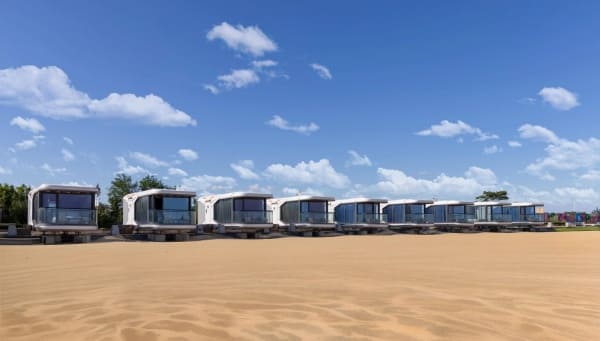
With the rising popularity of eco-travel, glamping, and off-grid getaways, capsule homestays have become one of the fastest-growing hospitality trends in 2025.
Their futuristic look, quick setup, and high return potential make them an ideal choice for entrepreneurs who want to start small and scale fast.
Here’s a practical, step-by-step guide to launching your own capsule homestay business — from concept to first guest.
Step 1: Research the Market and Choose a Location
Begin with clear research on traveler preferences and regional demand. Platforms like Airbnb and Booking.com can reveal what types of stays perform best in your area.
Look for locations that combine natural beauty and accessibility — near mountains, lakes, forests, or coastal areas.
Keep in mind: rural or semi-rural land costs far less and offers higher profit margins.
Step 2: Get Necessary Permits and Approvals
Before investing, check local zoning regulations and building codes. Some regions classify capsule homes as temporary structures, which simplifies the approval process.
Consult local authorities about utility connections, waste management, and fire safety. Having all documents ready helps you avoid costly delays later.
Step 3: Select the Right Capsule Units
Not all capsule houses are the same. Choose models that match your business goals and location climate.
Key factors to consider:
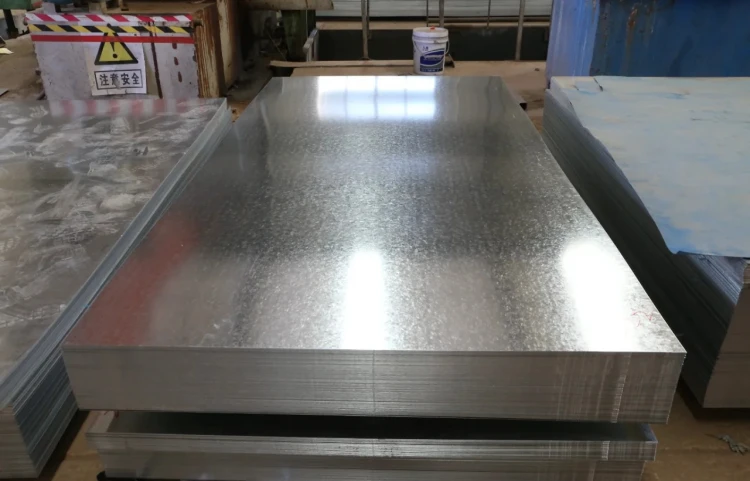
Material: Hot-dip galvanized steel and insulated panels for durability
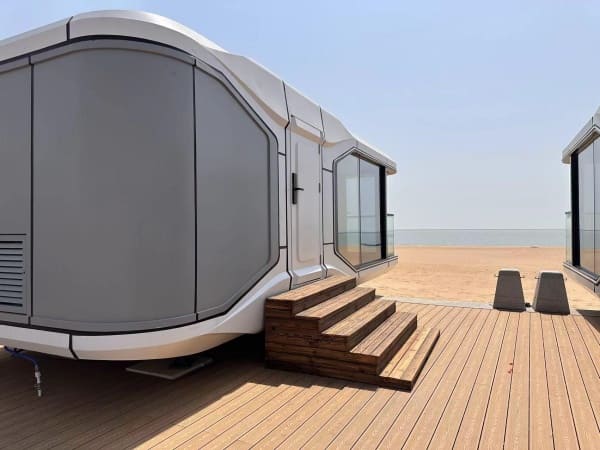
Design: Modern interiors with built-in furniture and lighting
Functionality: Plug-and-play systems for electricity and plumbing
Suppliers like BST offer prefabricated capsule models ready for quick deployment.
Step 4: Design a Comfortable Guest Experience
A successful capsule homestay isn’t just about shelter — it’s about atmosphere.
Add thoughtful touches like:
Dimmable lights and warm tones
Soft bedding and climate control
A small tea or coffee corner
Personal touches like welcome notes or local guide QR codes
These details make your capsule feel like a mini luxury suite, boosting guest satisfaction and reviews.
Step 5: Set Up Utilities and Sustainable Systems
Install solar panels, rainwater collection, or portable sewage units to make your capsule homes partially or fully off-grid.
This reduces operating costs and appeals to eco-conscious travelers.
Many capsule homestay owners also integrate smart systems for temperature, lighting, and keyless entry.
Step 6: Build a Brand and Online Presence
Create a strong brand identity that reflects your site’s vibe — modern, eco-friendly, or adventure-focused.
Then, build your presence on:
Airbnb / Booking.com
Instagram, TikTok, and Pinterest (great for visual storytelling)
Your own website with clear booking links
High-quality photos and guest stories are the best free marketing tools.
Step 7: Start Small and Scale Smart
Launch with 2–3 capsule units to test the market.
Monitor:
Occupancy rates
Guest feedback
Seasonal demand patterns
Once you identify what works, expand gradually — adding new capsule types or themed designs (romantic, adventure, wellness, etc.).
This modular model ensures flexibility and controlled growth.
Final Thought: Small Investment, Big Potential
Starting a capsule homestay business combines low entry cost, scalability, and strong traveler demand.
By blending smart design, sustainability, and social media marketing, you can build a brand that attracts modern guests — and keeps them coming back.
In 2025’s competitive travel market, capsule homes aren’t just accommodation — they’re an experience worth sharing.