Skip to content
For large products like portable homes and container homes, shipping costs are always thought to be expensive. In some situations, the shipping cost as same as the price of portable homes or even more expensive than portable homes.
Based on these situations, to reduce shipping costs, we based the shipping guidelines on what will help you reduce shipping costs.
Here are five useful methods to reduce shipping costs; not just for portable homes, these methods also fit well in other container homes.
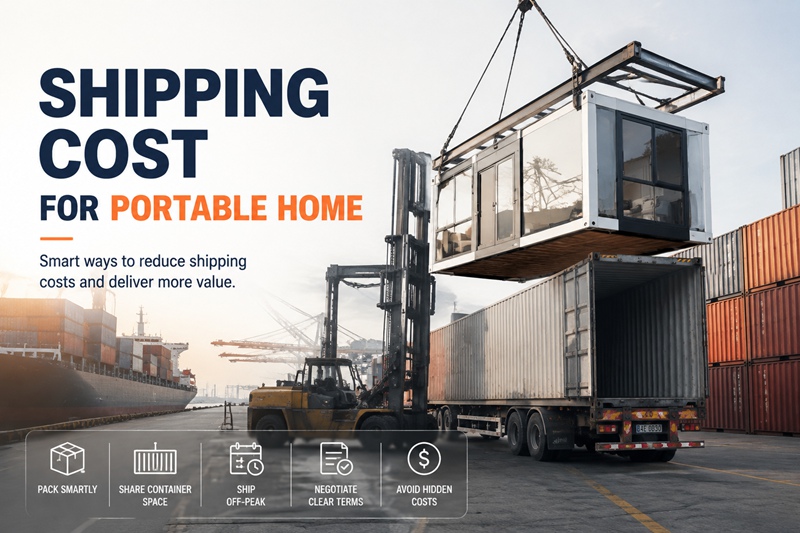
1) Save Every Inch of Space by Folding.
Packing efficiently is one of the fastest ways to save money on international freight.
i) Ship the Home as a Flat Pack or Folded Shell
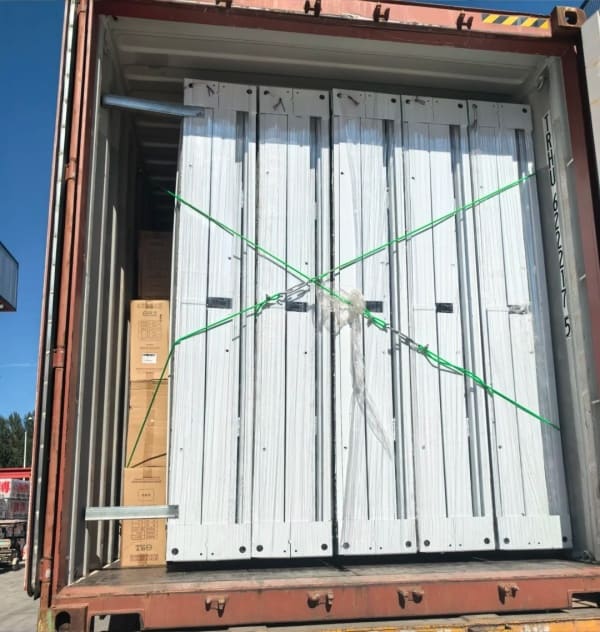
Shipping a completed home requires more containers. By sending flat packs or folded shells, you can reduce container usage dramatically. To ensure the convenient transportation of portable homes, container home manufacturers design homes that can be folded or expanded.
Example:
An Australian company shipped 10 fully built cabins using 10 containers. After switching to flat-pack shipping, all 10 units fit into just 3 containers, saving over $15,000.
ii) Use Load-Planning Software
3D load-planning tools help you arrange walls, floors, and fixtures tightly, reducing wasted space. Furthermore, advance planning and design make loading more efficient, saving time.
Example:
A German prefab builder used virtual load planning and cut container usage from 4 to 2, reducing logistics shipping costs by 50%.
iii) Avoid Paying for Air
Under-packed containers waste money. Tight stacking and smart arrangement maximize space.
Example:
A U.S. startup used only 60% of a container. After reorganizing their packing, they added two bathroom pods at no extra shipping cost.
iv) Fit More, Save More
Adjusting product dimensions can dramatically improve container capacity.
Example:
A China-based builder modified their foldable homes slightly and increased loading capacity from 6 to 12 units per container; this can save thousands on each shipment of portable homes.
By adjusting the dimensions of the portable home within the shipping container, it not only makes efficient use of the space but also significantly reduces costs.
2) Consolidate or Share Containers
Sharing container space is one of the most cost-effective solutions for small shipments.
i) Combine Shipments (LCL to FCL)
If your portable home cannot fill a container, combine your goods with other exporters shipping to the same port.
For instance:
A UK tiny home company shared a container with another exporter and saved over 40% on freight.
ii) Use Freight Co-Ops or Space-Share Platforms
Some online platforms connect companies that want to split container space. Connect with other exporters via the platform to share a container.
Example:
A U.S. startup shared space with a furniture exporter and reduced their shipping bill by nearly half.
3) Ship Off-Peak and Stay Flexible on Transit Time
Shipping costs change seasonally. If you are not in an emergency, timing your shipment wisely can lead to major savings on shipping costs. Planning your shipping schedule in advance based on your needs can effectively save on shipping costs.
| Destination | Shipping & Installation Timeline | Typical Applications |
|---|---|---|
| United States | 10–16 weeks | ADU homes, vacation cabins, modular residences |
| Australia | 8–14 weeks | Eco resorts, rural homes, holiday cabins |
| Europe | 10–18 weeks | Modular housing, tourism accommodation, off-grid homes |
| Middle East | 8–14 weeks | Luxury resorts, desert camps, hospitality projects |
i) Avoid Peak Seasons
Prices rise during holidays and busy export months.
Ship during quieter periods such as February, March, or September for your portable homes requirement.
Example:
A prefab company delayed shipping from December to February and saved $5,000.
ii) Choose Slower Routes for Better Rates
Flexible transit times give you access to cheaper routes.
Example:
A U.S. company selected a route that took one extra week but saved 20% on shipping costs.
4) Negotiate Strong Incoterms and Clear Quotes
Shipping rules affect responsibility and cost. Choosing the right terms prevents surprise fees.
i) Choose the Right Incoterms (FOB vs CIF)
- FOB: The buyer controls shipping after goods are loaded onto the vessel.
- CIF: Seller pays for freight and insurance but may add hidden handling fees.
Example:
A buyer in Kenya shifted from CIF to FOB and saved over $2,000.
ii) Ask for All-In, No-Surprise Quotes
Always request quotes that include port fees, fuel surcharges, handling, documentation, and any other charges.
Example:
A U.S. startup once paid an unexpected $800. After demanding all-in quotes, hidden fees disappeared.
5) Avoid Hidden Costs: Demurrage, Detention & Storage
Even with perfect planning, delays can trigger expensive penalties.
i) Use Local Transload Services for Faster Turnaround
Emptying your container quickly helps you avoid daily fees.
Example:
A South African builder unloaded within one day and avoided $500+ in late return charges.
ii) Pre-Clear Customs to Prevent Storage Fees
Submitting documents early keeps your shipment from sitting in the port.
Example:
A company shipping modular homes to Malaysia forgot paperwork and paid $1,200+ in storage and demurrage.
Of course, if your container house can
The right folding methods can save space; a 40-foot-high cabinet
can hold 4 sets of 10 ft EXH10. Buying a fixed number of portable houses or container homes can bring excellent value for money
Conclusion
Shipping a portable home overseas does not have to be expensive. By packing efficiently, sharing container space, shipping during off-peak times, and negotiating clear shipping terms, you can save thousands. Staying organized and flexible ensures your international shipping remains both cost-effective and stress-free.
Before bringing the portable homes to your space, remember to ask us how to reduce the shipping cost. The Best Steel Structure Co., LTD will help you to get the portable home more easily.