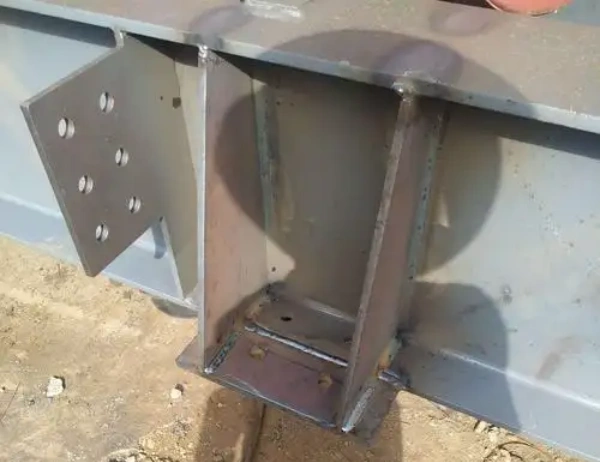
Q235 and Q355 are two commonly used structural steels in construction and manufacturing. Although they may appear similar, they differ significantly in strength, chemical composition, mechanical properties, and application scenarios.
In general, Q235 steel is a standard low-carbon structural steel suitable for light structural applications, while Q355 steel is a high-strength low-alloy steel designed for structures that require higher load-bearing capacity.
Understanding these differences helps engineers, builders, and manufacturers select the most suitable steel material for specific construction needs.
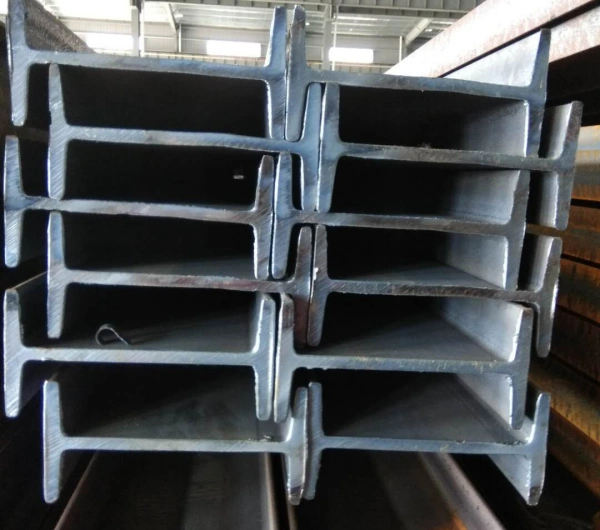
Chemical Composition Differences
The chemical composition of steel directly affects its strength, durability, and performance characteristics.
Q235 Steel
Q235 is classified as ordinary carbon structural steel. It has a relatively low carbon content and a simple composition mainly made of iron and carbon.
Typical characteristics include:
Carbon content: approximately 0.14%–0.22%
Main elements: iron and carbon
Small amounts of silicon and manganese
Very low levels of phosphorus and sulfur
No significant alloying elements
Because of its simple composition, Q235 steel offers good plasticity, weldability, and workability, making it suitable for many general construction purposes.
Q355 Steel
Q355 belongs to high-strength low-alloy structural steel. Although its carbon content is slightly lower than Q235, it contains higher levels of manganese and several micro-alloying elements.
Typical characteristics include:
Carbon content: approximately 0.12%–0.20%
Higher manganese content
Micro-alloying elements such as niobium (Nb), vanadium (V), and titanium (Ti)
These additional elements improve performance through grain refinement strengthening, significantly enhancing the steel’s overall mechanical strength and structural stability.
Mechanical Property Comparison
The mechanical properties of steel determine how it performs under load, pressure, and deformation.
Strength Comparison
Q235 Steel
Yield strength: ≥235 MPa
Tensile strength: 370–500 MPa
Elongation: ≥26%
Q235 offers excellent plasticity and toughness, making it easy to shape and process during fabrication.
Q355 Steel
Yield strength: ≥345 MPa (or ≥355 MPa under certain standards)
Tensile strength: 450–650 MPa
Elongation: ≥21%
Q355 steel has higher strength and hardness, which allows it to support heavier loads. However, its plasticity and toughness are slightly lower compared with Q235.
Processing and Fabrication Characteristics
Another key difference between Q235 and Q355 steel lies in their processing performance.
Q235 Processing Characteristics
Q235 steel offers excellent manufacturing flexibility, including:
Good weldability
Strong formability
Easy machining and shaping
These characteristics make Q235 suitable for complex structural components and general fabrication projects.
Q355 Processing Characteristics
Q355 steel provides higher strength but requires more careful processing.
Key features include:
Strong work-hardening ability
Higher structural strength under load
Greater tendency to crack during cold deformation
Because of this, additional treatments such as quenching or controlled processing techniques may be used to improve its performance during manufacturing.
Appearance and Identification Methods
Although Q235 and Q355 steel look similar, they can sometimes be distinguished by color and spark characteristics during processing.
Color Differences
Newly cut Q235 steel typically appears blue-gray.
Q355 steel may show a slightly reddish tone because of its higher manganese content.
Spark Identification
When steel is ground with an abrasive wheel:
Q235 steel produces round, dark red sparks.
Q355 steel generates brighter sparks with branching patterns.
These visual clues can help experienced technicians identify steel types during workshop processing.
Typical Application Scenarios
Because of their different mechanical properties, Q235 and Q355 steels are used in different structural situations.
Q235 Steel Applications
Light structural frames
Building components
General steel fabrication
Mechanical parts with moderate load requirements
Q355 Steel Applications
Bridges and large structures
Heavy-load steel frames
High-rise building structures
Engineering projects requiring higher strength
Selecting the correct material helps ensure structural safety, durability, and cost efficiency.
Conclusion
Q235 and Q355 are both widely used structural steels, but they serve different engineering purposes.
Q235 steel offers excellent weldability, formability, and toughness, making it suitable for general structural applications.
Q355 steel provides higher strength and load-bearing capacity, making it ideal for heavy-duty construction and engineering projects.
By understanding the differences in chemical composition, mechanical properties, processing characteristics, and applications, builders and engineers can select the most appropriate steel material for their construction needs.