Have you ever wondered what it would be like to live in a house made from a shipping container? At first, many people react with doubt: “Living in a container? Won’t it feel cramped?”
However, once you truly understand container homes, you may discover their unique appeal. They offer freedom, flexibility, affordability, and fast construction, qualities that traditional houses often struggle to provide. For many people, this lifestyle represents a real sense of independence and simplicity.
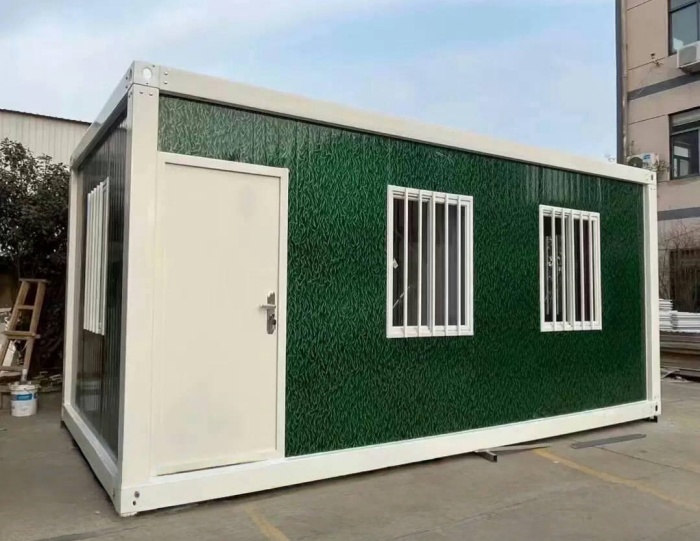
Pros of Living in a Container Home
Container homes are becoming increasingly popular because they offer several advantages over traditional housing or temporary living options. Below are the key benefits of choosing a container home.
1. Low Cost and Economic Value
This is often the most attractive advantage. You don’t need to spend hundreds of thousands—or even millions—of dollars to own a home. A container house can often be built for tens of thousands of dollars, especially when recycled shipping containers are used.
For young professionals, small families, or anyone on a limited budget, container homes provide an affordable path to independent living without excessive financial pressure.
2. Fast Construction and Quick Move-In
Unlike traditional houses that may take months or years to complete, container homes have a very short construction cycle. Basic modules can be finished within weeks, and interior furnishing can be completed even faster.
If you need temporary accommodation, a vacation house, or a quick housing solution for farms or project sites, container homes are extremely practical.
3. Flexible and Modular Design
Although a single container has limited space, multiple containers can be combined like building blocks. This allows you to create bedrooms, kitchens, bathrooms, and even small living rooms.
Layouts can be freely customized based on lifestyle needs, making container homes highly adaptable for different living scenarios.
4. Environmentally Friendly and Sustainable
Many container homes are built from recycled shipping containers, reducing construction waste and promoting sustainability.
Additional eco-friendly features such as solar panels, rainwater collection systems, and green roofs can further support a low-carbon lifestyle. Living in a container home often feels simpler and closer to nature.
5. Durable and Safe Structure
Shipping containers are made of steel and designed to withstand extreme conditions during transport. As a result, container homes offer strong resistance to wind, earthquakes, and harsh weather.
In certain environments, they may even be safer than lightweight wooden structures, providing a solid sense of security.
6. High Portability
For people who value mobility, container homes are hard to beat. Your home can be relocated to the seaside, lakeside, farmland, or even near your work site.
This level of freedom is something most traditional, fixed houses cannot offer.
Cons of Living in a Container Home
Despite their advantages, container homes also come with limitations that should be carefully considered.
1. Limited Living Space
A single container has restricted width and height, which can feel cramped for larger families or long-term living. Even with modular expansion, it may not fully match the spaciousness of conventional homes.
2. Insulation and Soundproofing Challenges
Steel structures tend to be hot in summer and cold in winter, and they often provide poor sound insulation. Noise from rain, traffic, or nearby neighbors can be more noticeable.
While insulation layers, air conditioning, and soundproof panels can improve comfort, these upgrades increase overall costs.
3. Lifestyle Adjustments Required
Limited storage space means you must simplify your belongings. Clothing, kitchen supplies, and personal items all need careful planning.
Without proper organization, the living area can quickly feel cluttered and uncomfortable.
4. Maintenance and Corrosion Risks
Steel is prone to rust, especially in coastal or humid environments. Regular maintenance, such as anti-corrosion treatment and proper drainage, is essential to protect the structure and appearance over time.
5. Regulations and Permit Restrictions
Building and residency regulations vary by region. In some areas, container homes require special permits and may not qualify as permanent residences.
It is important to confirm local laws before committing to long-term living.
6. Limited Comfort Compared to Traditional Homes
Container homes may lack features such as large living rooms, courtyards, balconies, or gardens. Comfort and spaciousness often require compromise.
Common Problems with Living in a Container House
People often worry about potential issues after long-term use. Common concerns include:
Extreme temperatures requiring heating or cooling systems
Transportation and installation of large modules
Planning for water, electricity, sewage, and internet access
Compliance with local laws and building permits
Understanding these challenges in advance helps avoid unexpected difficulties.
Practical Solutions to Improve Living Experience
Many disadvantages can be mitigated with proper planning:
Insulation & Soundproofing: Use sandwich panels, roof insulation, double-glazed windows, curtains, carpets, and fabric furniture
Space Optimization: Folding beds, wall cabinets, modular furniture, and hidden storage
Rust Prevention: Apply anti-rust coatings regularly and ensure proper drainage
Lifestyle Adaptation: Simplify belongings and maintain good organization habits
These strategies won’t increase physical space, but they significantly improve comfort and usability.
Who Is Suitable for Living in a Container Home?
Container homes are not ideal for everyone, but they are well suited for:
People with limited budgets
Freelancers and digital nomads
Environmentalists pursuing low-carbon lifestyles
Those needing short-term or temporary housing (renovations, vacations, project sites)
If you fall into any of these categories, a container home may offer unexpected freedom and convenience.
Conclusion
Living in a container home offers affordability, flexibility, sustainability, and fast construction, making it an attractive option for modern lifestyles. While challenges such as limited space, insulation, and regulations exist, thoughtful design and planning can turn a container house into a comfortable and practical living solution. For the right people, container living is not a compromise—but a lifestyle choice.
Request a Quote or Custom Design
Ready to start your container housing project?
Our team provides professional consultation, design support, and global delivery.
👉 Contact us now to get pricing, layouts, and technical details tailored to your project.