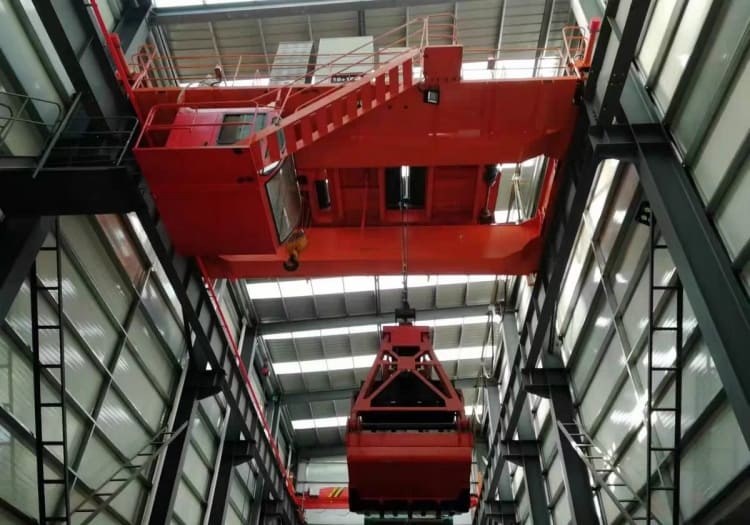
Prefabricated warehouse buildings are made from pre-built modules that are quickly assembled on-site, saving both time and money.
They can be tailored to meet different storage needs and adapted for specific business requirements—making them a smart, flexible investment.
Why Prefabricated Steel Warehouses Are Gaining Popularity
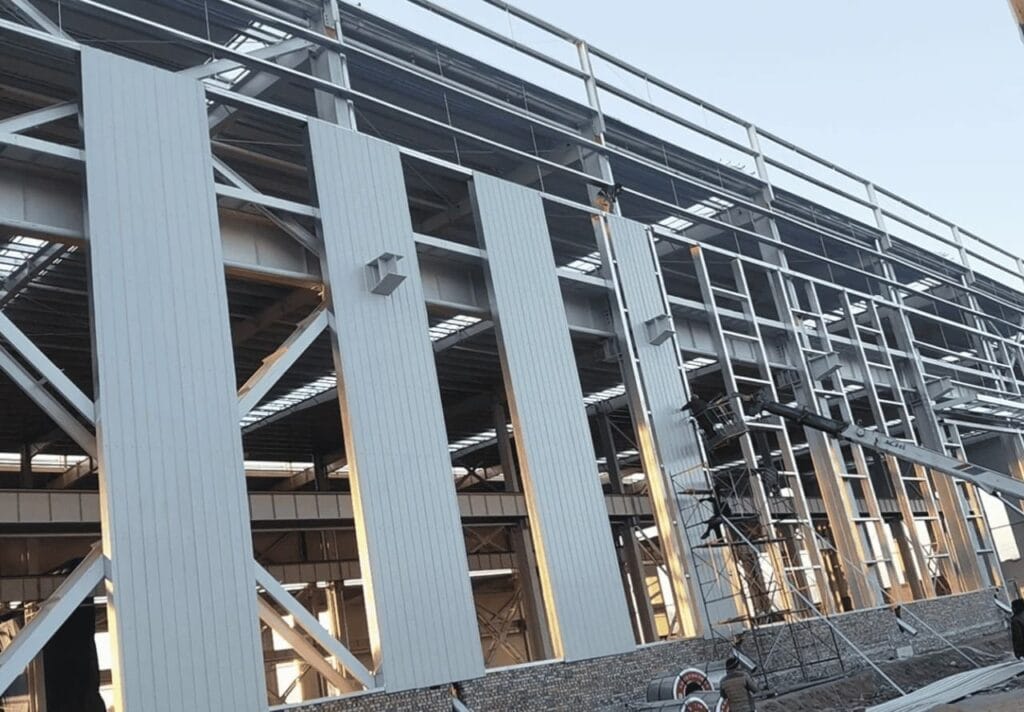
With the rise of e-commerce and logistics, businesses need storage faster than traditional builds allow. Prefabricated steel warehouses are quick to install, flexible, and customizable—reasons why they have become the top choice for modern enterprises.
- Rapid Market Growth – The prefabricated steel structure market is expected to nearly double by 2031.
- Outpacing Concrete – Steel consistently outperforms prefabricated concrete in adoption rates.
- Key Growth Period – From 2027–2031, demand will rise for warehouses and factories.
8 Pros of Prefabricated Warehouse Buildings
1. Lower Transportation Costs
Flat-packed steel components save shipping space—cutting costs by up to 50%. Delivery is also easier for remote locations.
2. Reduced Labor Costs
Factory-made, standardized parts simplify assembly. A 1,000m² warehouse can be built by just five workers in under a month.
3. Lightweight but Strong
Steel weighs only 20% of brick-and-mortar but withstands typhoons (up to 70 m/s) and extreme conditions.
4. Wide Spans Without Columns
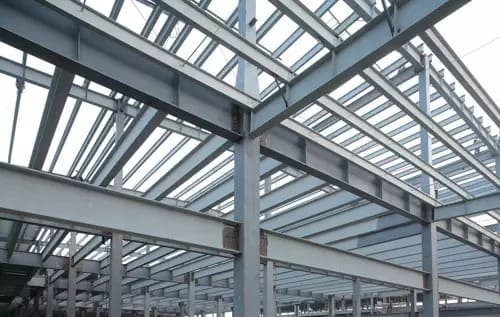
Steel allows spans over 60m without interior columns—maximizing usable space for storage and logistics.
5. Eco-Friendly & Energy Efficient
Features like insulated panels, solar roofs, and skylights can reduce energy use by 30%.
6. Fast Installation
No need for on-site material storage. Prefabricated modules cut timelines by 30–50%.
7. Customizable Designs
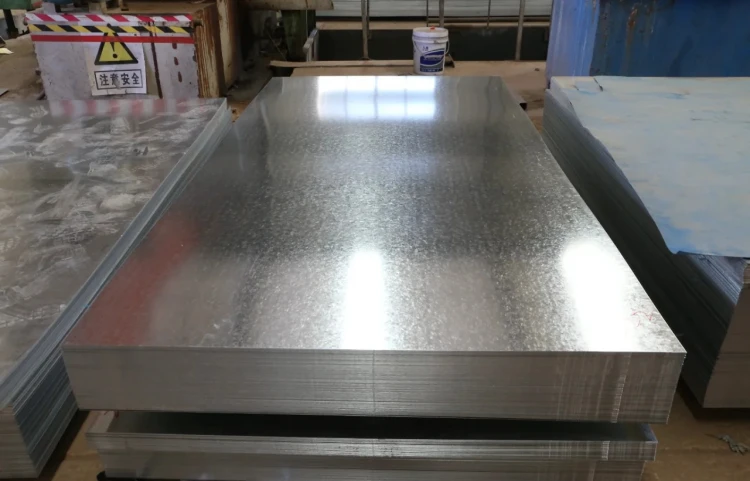
Options include T-, L-, U-, and straight layouts, plus multiple roofing and wall finishes. Materials like galvanized or stainless steel offer durability and adaptability.
8. Long Lifespan
Prefabricated steel warehouses resist corrosion, fire, snow, and earthquakes—lasting 50+ years with proper maintenance.
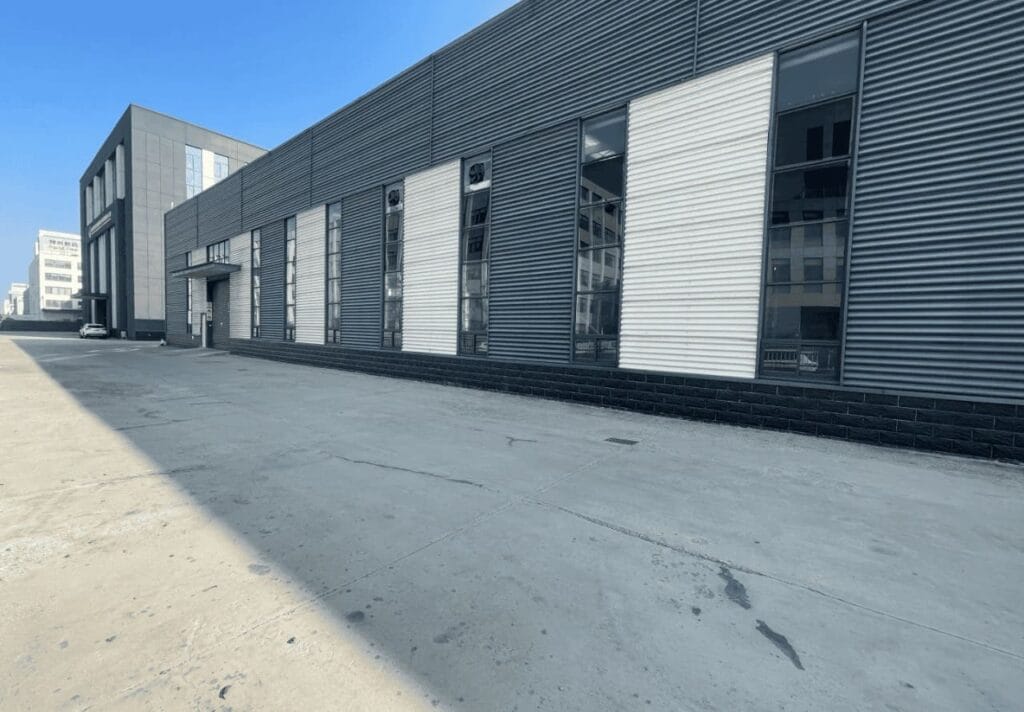
Cons of Prefabricated Warehouse Buildings
While highly beneficial, there are a few challenges:
1. Poor Ventilation
Tight seals may trap moisture. Solutions include natural or mechanical ventilation systems.
2. High Thermal Conductivity
Steel transfers heat easily. Insulation panels (e.g., R15) provide superior thermal resistance.
3. Extension Limitations
Width expansion is limited, but modular layouts allow easy lengthwise extensions.
4. Brittle Fracture Risks
Low temperatures can affect steel, but smart material selection prevents issues.
Why Choose Our Prefabricated Warehouse Solutions
Our prefabricated steel warehouses combine fast construction, cost savings, durability, and eco-friendliness. With flexible layouts and superior resistance to corrosion, fire, and seismic activity, they deliver long-term value.
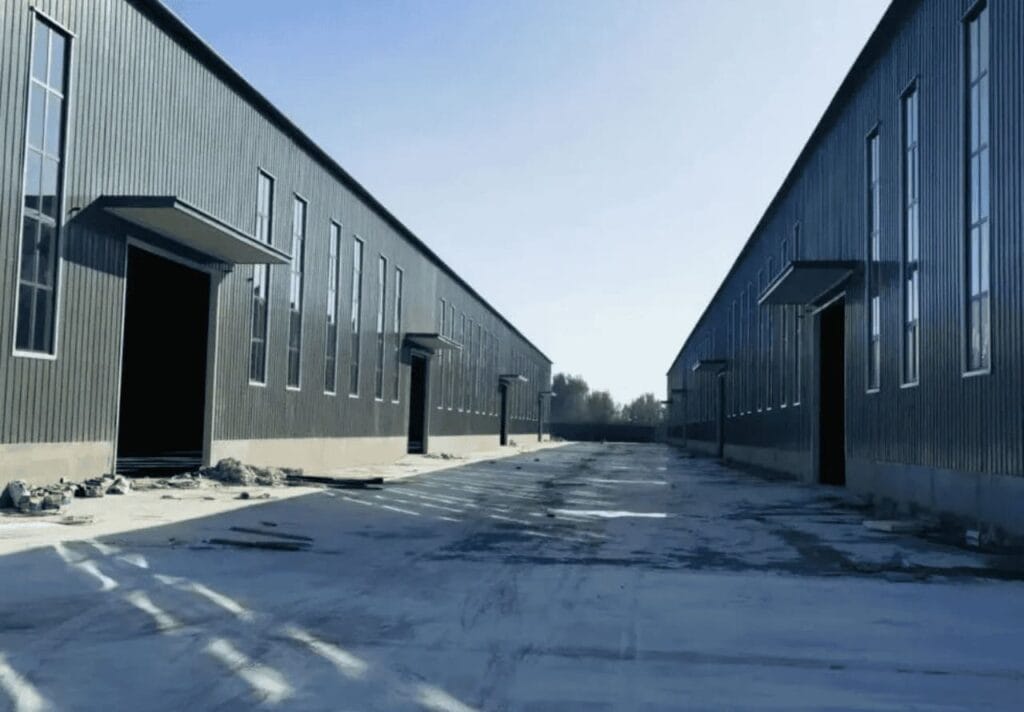
We provide tailored solutions that:
- Reduce costs and timelines
- Offer flexible designs
- Meet top engineering and environmental standards
Common Questions
1. Are prefabricated warehouses suitable for all industries?
Yes, including logistics, manufacturing, agriculture, and retail.
2. How long does construction take?
30–50% less time than traditional builds, depending on size and complexity.
3. Can they be relocated?
Yes, modular designs allow easy disassembly and relocation.
4. Are they eco-friendly?
Yes, they use recyclable materials and energy-saving features.
5. What maintenance is needed?
Minimal—mainly inspections for corrosion, structural integrity, and ventilation.
Conclusion
Prefabricated warehouse buildings offer unmatched speed, flexibility, and sustainability. Whether for logistics, storage, or manufacturing, they deliver long-term value while cutting costs.
👉 Contact us today to discuss your project and get a customized prefabricated warehouse solution.