Are you considering prefabricated buildings in South Africa for your next project? Many developers wonder if prefab construction is truly more cost-effective than traditional methods. From upfront construction costs to long-term maintenance, the answer depends on several key factors.
In this guide, we break down the costs, explore major cost drivers in South Africa, and show how regional differences affect your budget. Real-world case studies highlight how Best Steel Structure solutions helped companies save time and money.
By the end, you’ll know how to plan smarter and spend better with prefab construction.
Comparative Cost Analysis: Prefab vs Traditional Construction
When evaluating building options, cost remains a decisive factor for property developers, businesses, and government projects. Below we compare financial aspects of prefabricated buildings vs traditional construction—both initial and lifecycle costs.
Lower Initial Costs Per Square Meter
Prefabricated buildings often have lower upfront costs. On average, prefab structures cost significantly less per square meter than conventional masonry or concrete buildings. This cost efficiency comes from:
Mass production
Better material utilization
Streamlined labor in factory-controlled environments
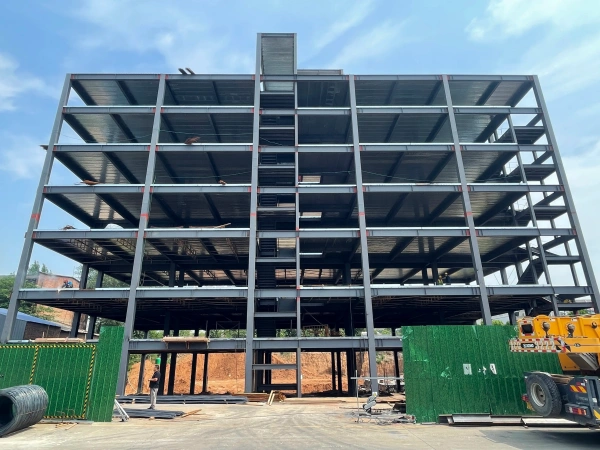
Industries like mining, education, and small businesses benefit from more building for less budget.
Reduced Total Cost of Ownership (TCO)
Beyond initial costs, prefab buildings offer lower TCO:
Modern materials resist corrosion, mold, and weather damage
Energy-efficient construction reduces utility bills
Lower maintenance and repair costs
| Cost Factor | Prefab Buildings | Traditional Construction |
|---|---|---|
| Maintenance | Low | Medium-High |
| Energy Efficiency | High | Medium |
| Lifecycle Costs | Lower | Higher |
| Construction Time | Short | Longer |
Faster Return on Investment
Time is money. Prefab construction allows assets to be operational weeks or months earlier than traditional builds, accelerating revenue generation.
Better Budget Clarity and Cost Control
Prefab projects offer predictable costs thanks to standardized components and fixed timelines, reducing the risk of overruns caused by weather, labor shortages, or unexpected site conditions.
In summary, prefabricated buildings deliver financial advantages through lower lifecycle costs, faster construction, and reliable budgeting.
Key Cost Drivers of Prefabricated Buildings in South Africa
Understanding key cost drivers ensures smarter planning and procurement:
Material Costs and Local Sourcing
Steel, insulation panels, and cladding prices affect budgets
Local sourcing reduces lead times, import duties, and transportation costs
Logistics and Transportation
Remote locations increase freight charges
Optimized shipping routes and onsite delivery planning save money
Standardization vs Customization
Standard modules lower costs
Extensive customization increases unit price
Site Preparation and Infrastructure
Grading, drainage, and foundation work can impact costs
Utility access or off-grid solutions must be budgeted
Regional Considerations Influencing Costs
Costs vary across South Africa due to land prices, labor, infrastructure, and regulations:
| Region | Land & Labor | Infrastructure | Notes |
|---|---|---|---|
| Gauteng | High | Well-developed | Economic hub |
| Western Cape | High | Reliable | Efficient municipal processes |
| KwaZulu-Natal | Moderate | Variable | Outside urban centers may face logistics challenges |
Bureaucratic delays, municipal approval timelines, and infrastructure readiness can affect construction schedules and overall costs.
Case Studies: Cost-Efficient Prefab Projects
Modular Classroom in Cape Town
Reduced construction time by 60%
Total cost reduced by 30%
Streamlined site work, factory production, and quick deployment
Commercial Park in Johannesburg
Used repeating modular design for efficiency
Faster project delivery, earlier revenue generation
Predictable pricing and minimal on-site disruption
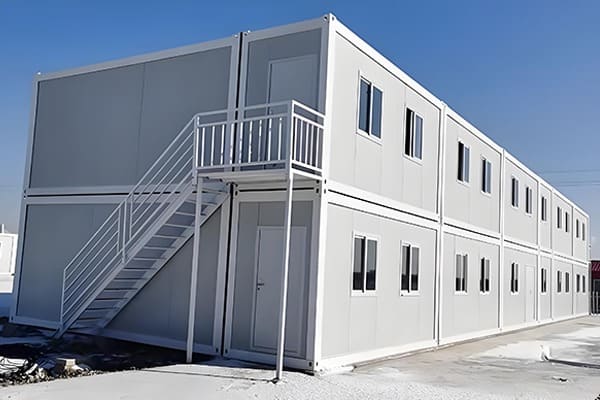
Prefab construction is not only cost-efficient but also a strategic choice for quality, speed, and operational benefits.
Conclusion
Prefabricated buildings in South Africa provide:
Lower initial and lifecycle costs
Faster project delivery and ROI
Predictable budgeting and cost control
Adaptability to regional and site-specific challenges
Partnering with Best Steel Structure ensures smarter planning, reduced risks, and optimal cost efficiency for any project—from schools to commercial spaces.
FAQ
Q1: Are prefabricated buildings cheaper than traditional buildings?
A1: Yes, prefab buildings often have lower upfront costs and lower lifecycle expenses.
Q2: How does location affect prefab building costs in South Africa?
A2: Land prices, labor rates, infrastructure, and municipal approvals vary by region, influencing total costs.
Q3: Can prefab buildings be customized?
A3: Yes, but significant customization may increase unit costs. Standard modules are most cost-efficient.
Q4: How fast can prefab buildings be constructed?
A4: Construction time can be reduced by 50-60% compared to traditional methods.
Q5: What industries benefit most from prefab construction?
A5: Education, commercial, healthcare, retail, and industrial projects benefit from speed, cost, and flexibility.