Thinking about prefabricated buildings for your next project in South Africa? Many developers and investors ask whether prefab construction is truly more cost-effective than traditional building methods.
The answer depends on several factors—from upfront construction costs to long-term maintenance and regional conditions. In this guide, we compare prefabricated and traditional construction costs, examine the key cost drivers unique to South Africa, and explore how regional differences impact your budget.
You’ll also see real-world case studies showing how companies saved time and money with BST solutions—helping you plan smarter and spend better.
Comparative Cost Analysis: Prefab vs Traditional Construction
When evaluating building solutions in South Africa, cost is often the most decisive factor for developers, businesses, and public-sector projects. This comparison looks beyond initial pricing to assess total lifecycle costs.
Lower Initial Cost per Square Meter
One of the most noticeable advantages of prefabricated buildings is the lower upfront cost per square meter. On average, prefab construction is significantly more affordable than traditional concrete or masonry methods.
This cost efficiency comes from:
Factory-controlled mass production
Optimized material usage
Reduced on-site labor requirements
For cost-sensitive sectors such as education, mining, logistics, and small business, prefab construction delivers more usable space within the same budget.
Reduced Total Cost of Ownership (TCO)
Initial savings are only part of the picture. Prefabricated buildings typically offer a lower total cost of ownership over their lifespan.
Key contributors include:
Durable materials resistant to corrosion and weather damage
Lower maintenance requirements
Improved energy efficiency through precision insulation and sealing
Over time, reduced repair and utility costs translate into meaningful long-term savings.
Faster Return on Investment
In industries where speed matters—such as retail, healthcare, and warehousing—time directly impacts profitability.
Prefabricated buildings can be completed weeks or even months faster than traditional construction. This shorter timeline allows facilities to become operational sooner, accelerating revenue generation and improving ROI.
Better Budget Predictability and Cost Control
Traditional construction in South Africa often faces cost overruns due to labor shortages, weather delays, or unexpected site conditions. Prefab projects significantly reduce these risks.
Because manufacturing happens off-site with standardized components and fixed schedules, clients benefit from:
Clear pricing
Predictable timelines
Improved financial planning
This budget clarity is especially valuable for large-scale rollouts and projects with strict cost limits.
In summary, prefab buildings deliver financial advantages through lower lifecycle costs, faster delivery, and dependable budget control.
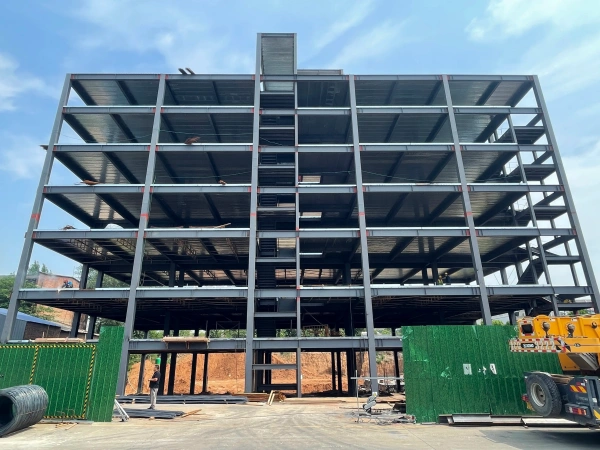
Key Cost Drivers of Prefabricated Buildings in South Africa
Understanding what influences prefab pricing helps you make better planning and procurement decisions.
1. Material Costs and Local Sourcing
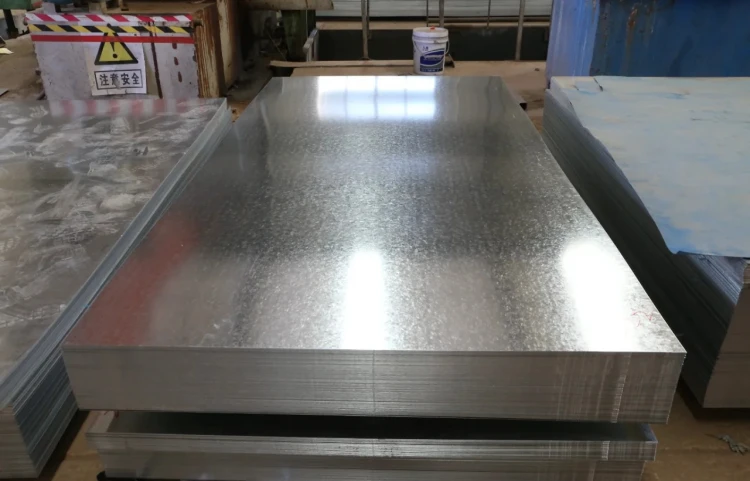
Steel prices and insulation materials play a major role in prefab building costs. Because South Africa is influenced by global steel markets, price fluctuations can affect project budgets.
However, local sourcing offers advantages:
Reduced import duties
Shorter lead times
Better cost control
Working with suppliers that have established local supply chains helps stabilize pricing.
2. Logistics and Transportation
Prefab buildings are manufactured off-site and transported for on-site assembly. For projects in remote areas, logistics can become a significant cost factor.
Cost influencers include:
Long transport distances
Road conditions
Oversized load requirements
Providers like BST optimize shipping routes and delivery planning to reduce transportation expenses.
3. Standardization vs Customization
Standardized modular designs are one of prefab construction’s biggest cost advantages. Repetition lowers manufacturing and labor costs while improving consistency.
However, extensive customization—such as unique dimensions or premium finishes—will increase unit costs. Staying close to proven standard designs ensures better budget predictability.
4. Site Preparation and Infrastructure
Site preparation often accounts for a hidden portion of total costs. Factors include:
Ground leveling and drainage
Foundation requirements
Utility connections (power, water, internet)
In rural areas, off-grid solutions may be required, making early-stage site evaluation critical.
Briefly: Material pricing, logistics, design choices, and site conditions all influence final cost per square meter. Early analysis helps avoid surprises.
Regional Cost Considerations in South Africa
Regional differences can significantly impact prefab building costs, particularly for international investors.
Major Development Regions
Gauteng: High land and labor costs, but strong infrastructure and reduced delay risks
Western Cape: Efficient permitting and governance, balanced by higher land prices
KwaZulu-Natal: More affordable land outside Durban, with variable infrastructure quality
Regulatory and Infrastructure Factors
Approval timelines, municipal regulations, and infrastructure readiness vary by province. Delays can increase costs through extended labor, equipment rentals, and financing charges.
Poor road access, unstable power supply, or limited water infrastructure may require additional investment—impacting both budget and timeline.
At BST, our local experts guide clients through regional planning to avoid costly missteps and align location choices with project priorities.
Case Studies: Cost-Efficient Prefab Projects in South Africa
Real projects demonstrate how prefab construction delivers measurable savings.
Modular Classrooms – Cape Town
A primary school in Cape Town needed rapid expansion due to rising enrollment. Using modular construction:
Build time was reduced by 60%
Total project cost dropped by around 30%
Savings came from factory-controlled production and minimal site disruption.
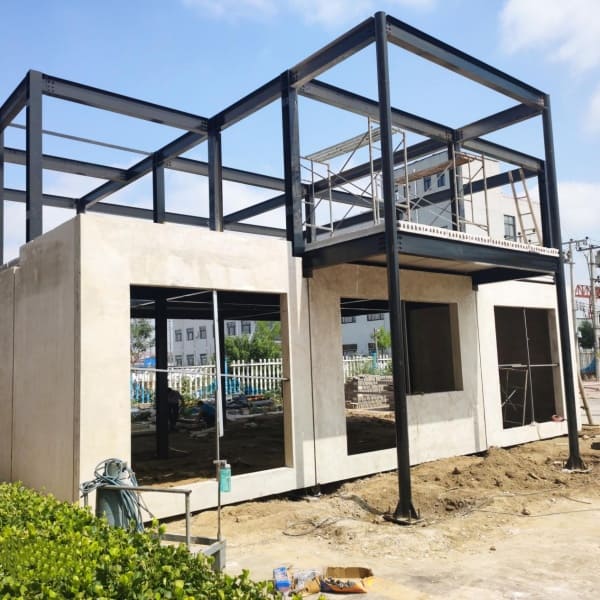
Commercial Park – Johannesburg
For a commercial park development, speed and cost control were critical. A repeating modular design enabled efficient manufacturing and reuse of components.
Results:
Shortened construction timeline
Lower overall budget
Earlier operational start and faster revenue generation
Clients consistently highlight improved transparency, clearer scheduling, and reduced risk compared to traditional construction.
More Than a Prefab Supplier — Your Cost-Efficiency Partner
Prefab construction in South Africa is not just about saving money—it’s about building smarter.
At BST, we help clients:
Control construction costs
Accelerate project delivery
Reduce financial and operational risks
Whether you’re planning a school, factory, or commercial facility, our prefab solutions are designed for efficiency, reliability, and long-term value.
Contact us today to discover how we can support your next project in South Africa.
Summary
This guide compares prefabricated and traditional construction costs in South Africa, examining material pricing, logistics, regional factors, and real project case studies. It shows how prefab buildings reduce lifecycle costs, improve budget predictability, and deliver faster ROI—making them a smart choice for cost-conscious developers and businesses.