Can a portable home really last as long as a traditional house? Many assume portable means short-lived, but modern portable homes are built to today’s standards using strong materials. With proper care, portable homes can last 30–50 years, and sometimes up to 60 years.
Factors such as factory-built precision, steel or timber frames, controlled insulation, moisture protection, and adherence to building codes make modern portable houses highly durable.
This guide explains what portable homes are, what affects their lifespan, and how proper planning, materials, and maintenance help your home perform reliably for decades.
What Are Portable Homes?
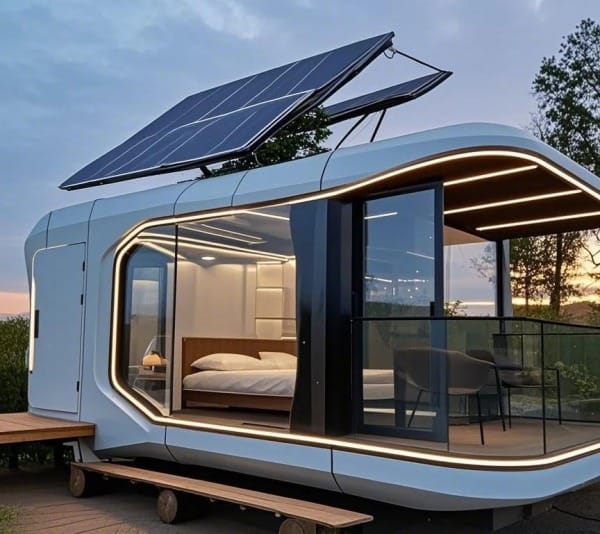
Portable homes include manufactured houses, modular homes, container homes, and tiny houses on wheels.
Mobile homes: Built off-site, delivered, and installed on land.
Tiny houses on trailers: Compact homes for flexible use.
Prefab vacation cabins: Pre-built sections joined on-site.
Container houses: Converted steel shipping containers for living spaces.
These homes are often used in areas where traditional construction isn’t practical—resorts, glamping sites, mobile home parks, rural areas, or even as backyard offices.
Typical Lifespan of Portable Homes
Modern portable homes, if maintained, often last 30–50 years, comparable to traditional homes.
HUD-approved mobile homes: 30–50 years with regular upkeep.
Prefab homes: 30–50 years, potentially longer with quality materials.
Container houses: 25–50 years or more with proper care.
A solid foundation and anchoring can significantly extend longevity, while poor placement may shorten it.
Factors That Affect Lifespan
Materials and construction:
Steel or high-grade wood frames last longer than simple wood framing.
Durable walls, roofs, and floors resist wear.
Installation and moisture control:
Stable, well-drained foundations prevent early deterioration.
Moisture barriers and proper ventilation reduce rot and mold.
Weather and climate:
Homes in extreme conditions need materials rated for heat, rain, snow, or hurricanes.
Daily use and maintenance:
Heavy guest traffic (e.g., resorts) accelerates wear.
Regular upkeep—repair leaks, tighten screws, replace caulk, prevent pests—extends life.
Portable Homes vs Traditional Homes
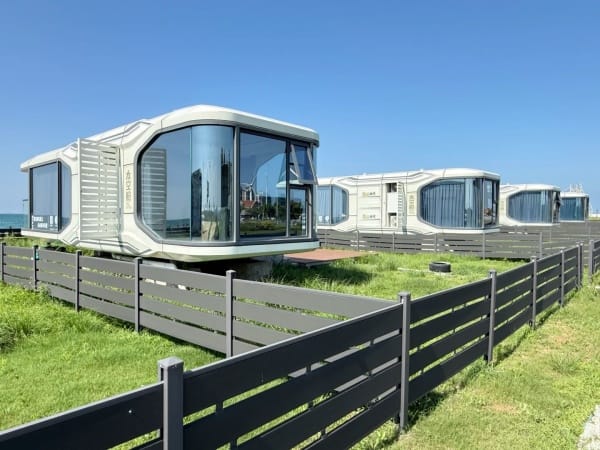
Modern portable homes are not disposable. They often meet the same building codes as traditional houses, with:
Quality insulation
Strong structural frames
Factory-controlled construction standards
This ensures high-quality and long-lasting homes. When maintained properly, portable homes can last decades, just like traditional houses.
Lifespan in Resorts, Glamping Sites, and Outdoor Settings
Portable units in high-use settings face sun, wind, rain, and frequent guests.
Durable designs use marine-grade steel and weatherproof fabrics.
Well-installed units on level, drained foundations last 15–25 years even with daily guest use.
Regular inspections after storms help maintain longevity.
How to Make a Portable Home Last Longer
Roof and exterior: Inspect annually and after storms; fix damage immediately.
Level foundation: Prevent warping over time.
Seal gaps: Around windows, doors, and joints to prevent moisture.
Repaint or reseal: Exterior surfaces every few years.
Systems maintenance: Plumbing, electrical, HVAC, gutters, and vents.
Interior upkeep: Clean, dry, repair walls, floors, caulk, and paint regularly.
Pest prevention: Keep termites, rodents, and mold under control.
Routine upkeep prevents small issues from becoming major problems, ensuring decades of reliable use.
Conclusion
Modern portable homes are durable, versatile, and long-lasting. With proper materials, installation, and regular maintenance, they can last 30–60 years, even in high-use outdoor settings. Treat your portable home like any long-term house, and you can enjoy decades of reliable service, comfort, and value.
Check BST’s portable house options for a lasting home solution.