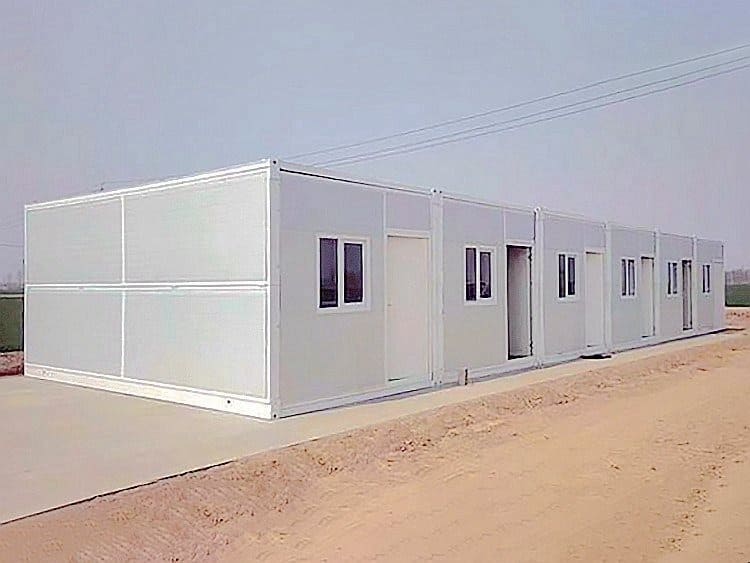
Portable classrooms, also called modular or mobile classrooms, are increasingly popular in education due to their cost-effectiveness and adaptability to online and mobile learning. They also help ease overcrowding in traditional classrooms.
As manufacturers of portable classrooms, we want to clear up common misconceptions and show how these prefab classrooms meet today’s educational needs.
Common Myths About Portable Classrooms
Myth 1: Portable Classrooms Are Uncomfortable and Unattractive
Fact: Modern classrooms feature air conditioning, soundproofing, and natural light. Customizable panels, roof designs, and decorative elements like murals or plants make them visually appealing and comfortable.
Myth 2: Portable Classrooms Can’t Match Permanent Ones
Fact: They can include smart boards, projectors, sound systems, labs, or reading corners, offering functionality equal to traditional classrooms.
Myth 3: Poor Sound Insulation
Fact: High-quality acoustic materials, soundproofing insulation, and double-glazed windows ensure a quiet learning environment.
Myth 4: Safety Concerns (Structural or Fire Risks)
Fact: Built to strict safety codes, portable classrooms are fire-resistant, structurally strong, and can withstand wind, snow, and extreme temperatures.
Myth 5: Installation Is Complicated and Time-Consuming
Fact: Pre-assembled modules allow quick setup—some classrooms are ready in just a few days, saving significant time compared to traditional construction.
Myth 6: Frequent Replacement Needed
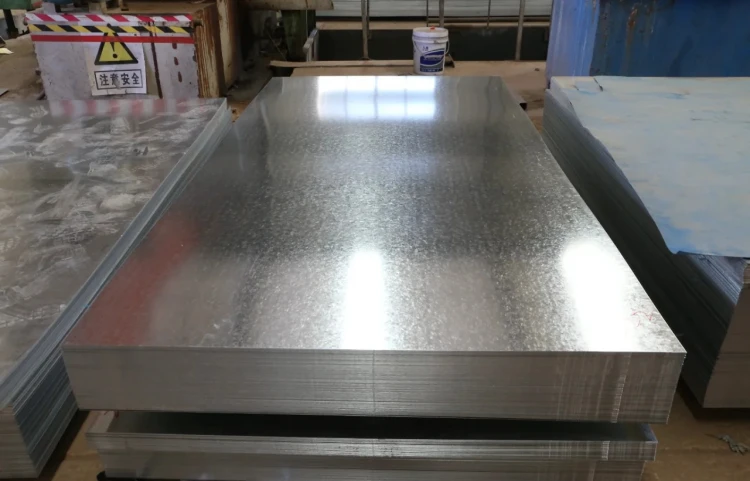
Fact: Durable materials like galvanized steel and high-quality insulation make portable classrooms suitable for long-term use, minimizing replacements.
Myth 7: Cannot Withstand Extreme Weather
Fact: Weather-resistant materials, strong insulation, reinforced frames, and specialized panels ensure they endure heat, cold, snow, and moisture.
Myth 8: Only for Short-Term Use
Fact: With durability and modular design, portable classrooms are increasingly used as long-term educational spaces.
Common Uses of Portable Classrooms
Expanding Campuses: Add extra classrooms without permanent construction.
During Renovations: Maintain uninterrupted learning while main buildings are upgraded.
Remote or Rural Schools: Cost-effective solution where traditional infrastructure is lacking.
Special Programs: STEM labs, music rooms, or specialized learning spaces.
Disaster Relief & Emergency Education: Rapid deployment to maintain schooling in crisis areas.
Benefits of Modular Classrooms
Cost-Effective: Save 30-40% compared to traditional construction.
Durable & Long-Lasting: High-quality materials ensure years of reliable use.
Quick Installation: Pre-fabricated modules reduce setup time significantly.
Flexible & Adaptable: Easily reconfigurable for changing needs or additional facilities.
Modern & Functional: Can include labs, smart boards, and specialized learning areas.
Conclusion
Portable classrooms are a smart, budget-friendly solution for modern educational needs. They offer durability, flexibility, and cost savings while maintaining comfort and functionality. Schools can quickly expand or adapt spaces without compromising quality, making them ideal for temporary or long-term use.
FAQs
Q1: Do portable classrooms impact teaching and learning?
A1: Properly designed classrooms offer a flexible, effective learning environment. Pre-planning ensures comfort and functional space.
Q2: Why do schools use portable classrooms?
A2: To address overcrowding, provide cost-effective space, and quickly expand educational facilities.
Q3: What is the lifespan of a portable classroom?
A3: With quality materials and maintenance, they can last 25-30 years. Galvanized steel structures ensure long-term durability.
Q4: Do portable classrooms have security cameras?
A4: Many units include cameras, similar to traditional classrooms, for monitoring and safety.
Q5: How much does a portable classroom cost?
A5: Costs vary by size, materials, and features, typically ranging from $20,000 to $100,000+.
Q6: How big is a portable classroom?
A6: Units range from 400 to 1,500 sq. ft. A standard 24×36 ft (864 sq. ft.) room accommodates 25-30 students. Larger models or linked units can create multi-classroom spaces.