Land is expensive. Land with a view is even more so. Capsule houses are changing the economics of scenic real estate — here’s how the numbers break down for B2B buyers.
For hospitality operators and scenic area managers, the fundamental question is always the same: how do I generate more revenue from the land I have, without destroying what makes it valuable? Capsule houses answer this question better than any accommodation format in recent memory.
The Revenue Equation: Capsule Houses vs Traditional Builds
Traditional resort cabins require significant foundation work, large footprints, and lengthy construction timelines. Capsule houses flip this equation entirely.
| Metric | Traditional Cabin | Capsule House Pod |
|---|---|---|
| Construction time | 6–18 months | 4–12 weeks |
| Average footprint | 50–120 m² | 10–25 m² |
| Build cost per unit | $80,000–$250,000+ | $15,000–$60,000 |
| Average nightly rate | $120–$200 | $180–$450 |
| Annual occupancy (scenic) | 55–65% | 75–90% |
| Revenue per m² per year | ~$800–$1,200 | ~$2,800–$5,500 |
The key driver: Capsule houses command higher nightly rates because of their experiential value, while occupying a fraction of the land. The revenue density per square meter is 3–5× higher than conventional resort cabins.
Where Capsule Houses Deliver the Strongest Returns
Scenic mountain and forest areas
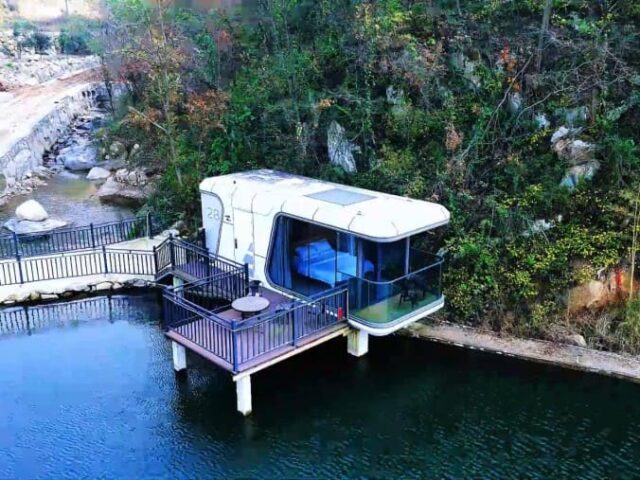
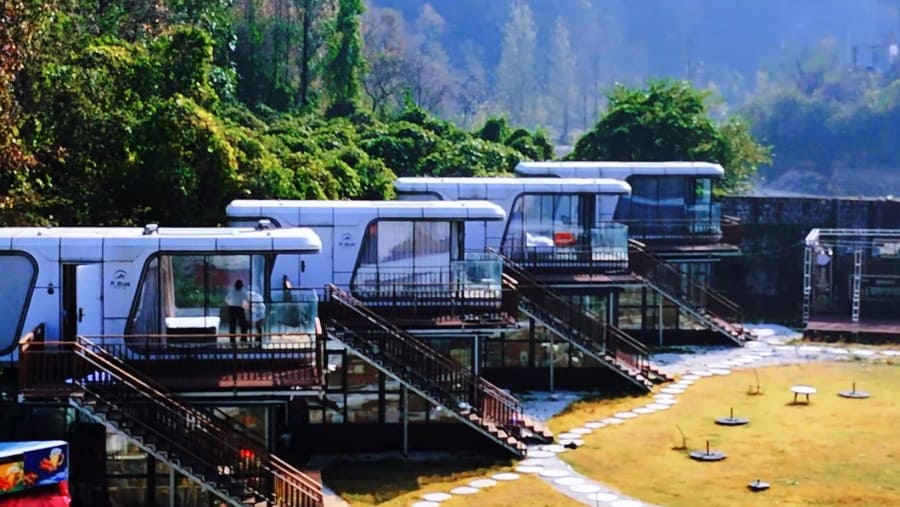
Elevated pod installations — on hillside platforms, among trees, or cantilevered over ridgelines — deliver the highest average daily rates in the capsule house category. The combination of dramatic views and limited supply creates natural pricing power. Scenic area operators in China, Europe, and Southeast Asia routinely report occupancy rates above 80% for well-positioned pods.
Lakeside and coastal resorts
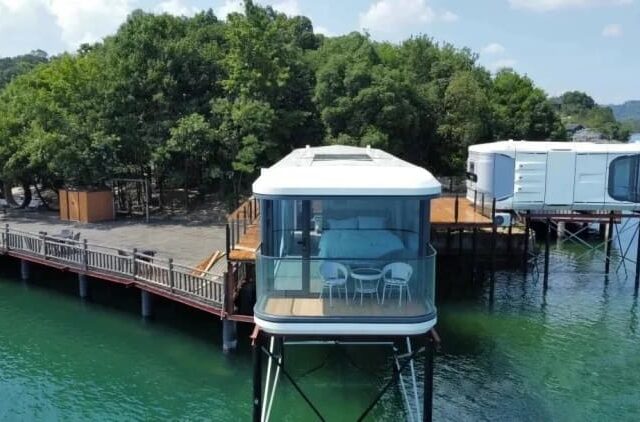
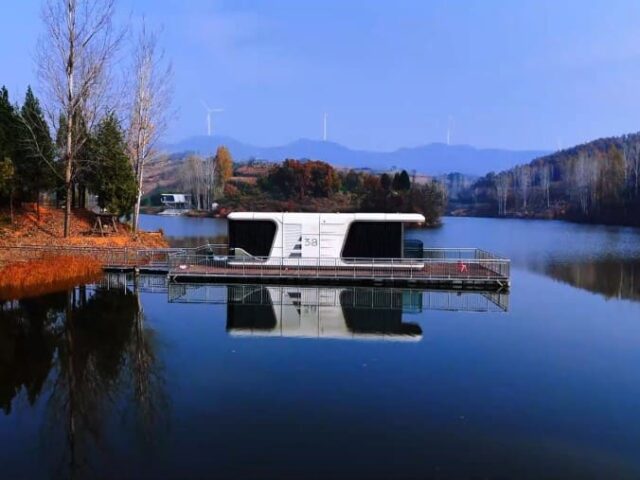
Waterfront capsule houses, particularly transparent bubble pods positioned to reflect the water, have become Instagram phenomena. Social media virality directly translates to bookings: resorts report that a single influencer post can fill pod inventory for 2–3 months at premium pricing.
Cultural and heritage tourism sites
Capsule house installations near cultural sites allow visitors to extend their stay without compromising the integrity of the heritage landscape. The minimal footprint and reversible installation make capsule houses the preferred choice for operators working in sensitive heritage zones.
Sample ROI Scenario: 10-Pod Scenic Installation
-
Total Capital Expenditure: $380,000 (10 luxury pods, installed)
-
Average Nightly Rate: $280
-
Assumed Annual Occupancy: 80%
-
Gross Annual Revenue (10 pods): $820,000
-
Operating Costs (staff, utilities, maintenance, platform fees): Approx. 45% of revenue
-
Net Operating Income: ~$450,000/year
-
Payback Period: Under 12 months on well-trafficked sites
Non-Room Revenue Opportunities
Capsule house installations also unlock ancillary revenue streams that amplify overall property performance:
- Dining and F&B packages — in-pod breakfast delivery or dedicated pod dining experiences command 25–40% premiums
- Photography and content packages — guests pay for guided photo sessions in scenic pod settings
- Corporate retreat bookings — exclusive pod cluster bookings for team offsites are growing rapidly
- Event and proposal packages — private pod rentals for special occasions at significant rate premiums
What Operators Are Getting Wrong
The most common mistake B2B buyers make is treating capsule houses as a commodity purchase. Pod quality, placement strategy, interior design, and digital marketing are all critical to achieving the revenue figures above. A poorly positioned or under-marketed pod installation will underperform — even in a premium scenic location.
Work with a supplier who offers installation guidance and case study references from comparable deployments. Ask for occupancy data from existing clients, not just product specifications.
Get a revenue projection for your site
Share your location, land area, and target market with our team and we’ll provide a detailed revenue model and recommended pod configuration within 48 hours.