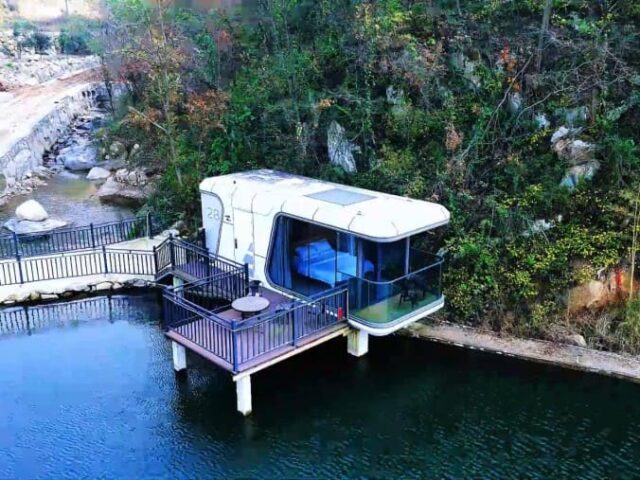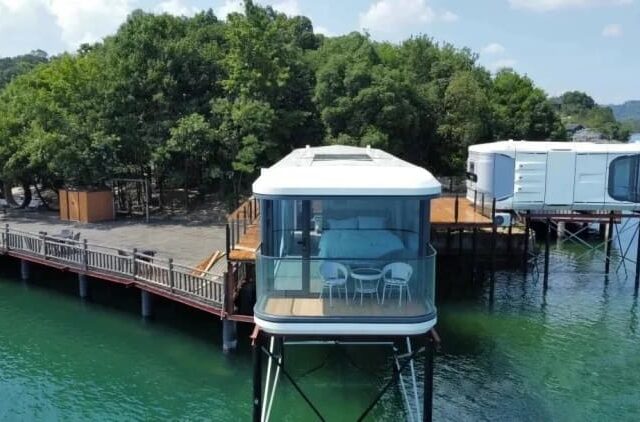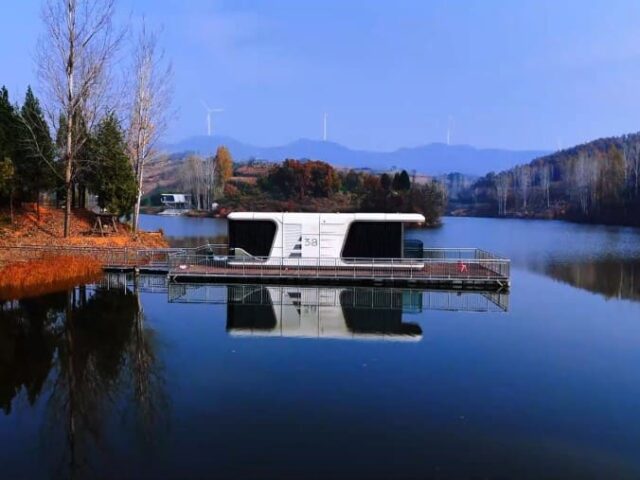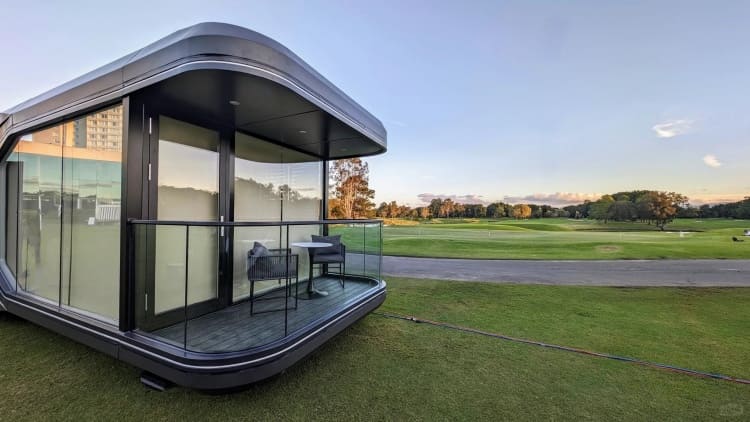
Many buyers hesitate before installing a capsule house near the coast:
-
Will strong seaside winds overturn it?
-
Can steel frames handle storms?
-
Can it pass coastal building inspections?
A capsule house may look small, but its performance depends on engineering — not size.
If designed correctly according to wind standards (mainly ASCE 7 wind load codes), a capsule house can legally and safely be installed in coastal regions and remain stable for years.
This guide explains what actually determines storm resistance.
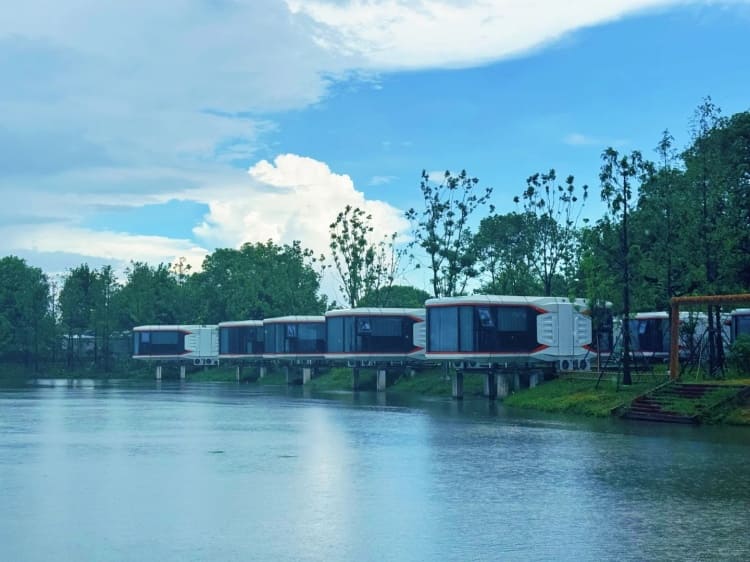
What “Passing Coastal Wind Codes” Really Means
To install a home near the coast, the structure must resist three forces:
-
Wind pressure on walls
-
Roof uplift forces
-
Overturning forces at the foundation
In most countries and regions, building departments require calculations based on ASCE 7 wind load standards.
A project passes inspection only when the structure:
-
Resists calculated wind pressures
-
Transfers loads into the ground
-
Uses approved tested components
The key concept is called:
Continuous Load Path — roof to foundation
Every connection must safely carry wind forces downward into soil.
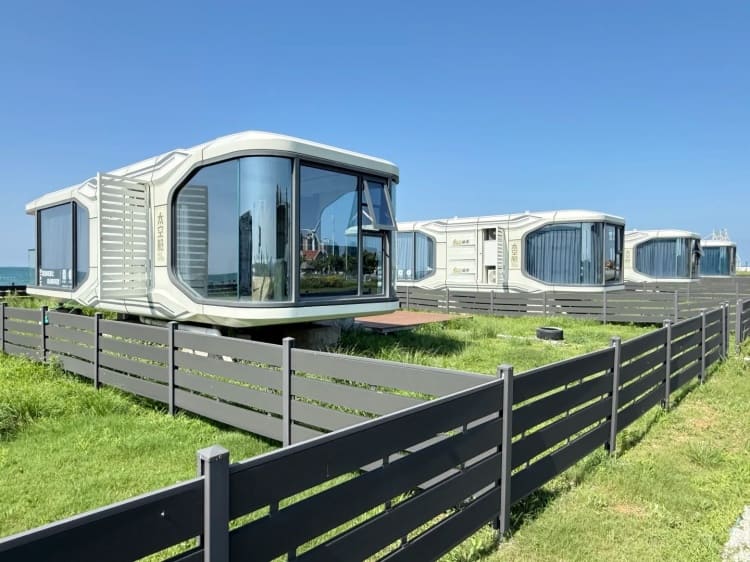
Step 1 — Determine Site Wind Data
Before selecting a capsule house model, engineers must calculate local wind parameters.
Required Site Inputs
| Parameter | Meaning |
|---|---|
| Design Wind Speed | Wind intensity from code map |
| Risk Category | Most homes = Category II |
| Exposure Category | Terrain roughness |
| Distance to Water | Determines exposure D |
Coastal sites are usually:
-
Exposure C — open terrain
-
Exposure D — shoreline / water surface
Exposure D produces the highest wind loads.
These numbers determine anchor strength and foundation type.
Step 2 — Structural Strategy of Capsule Houses
A compliant capsule house must include engineer-stamped drawings.
Typical Load Path
Wind → Roof Shell → Frame → Shear Walls → Base Frame → Anchors → Soil
Every component must be sized to carry the calculated forces.
Important structural elements:
-
Main steel chassis
-
Roof framing
-
Wall diaphragm panels
-
Anchor bolts or piles
Following drawings exactly during installation is critical.
Improper assembly invalidates engineering certification.
Step 3 — Roof Edges: The Most Common Failure Point
Storm damage usually starts at roof corners.
High winds try to lift the roof covering first.
Required Roof Details
-
Reinforced edge fastening
-
Fully sealed roof seams
-
Enhanced fastening pattern
-
Continuous waterproof underlayment
A curved capsule shell performs well because wind flows around it rather than catching edges — but only if properly fastened.
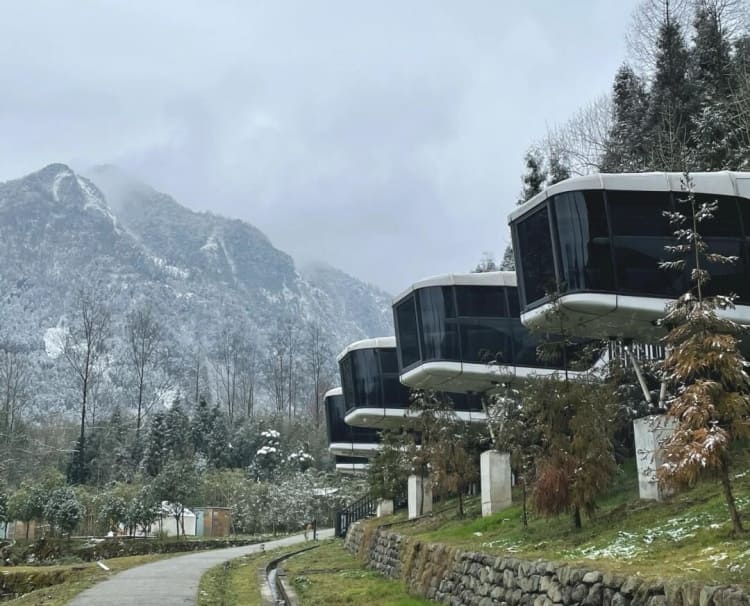
Step 4 — Windows and Doors Must Be Pressure Rated
Most structural failures occur after windows break.
Once wind enters the interior, pressure doubles and lifts the roof.
Therefore coastal codes require:
Impact-rated or high-pressure rated openings
Test standards may include:
-
ASTM E330
-
AAMA/WDMA/CSA 101
-
Florida TAS standards
Installation matters as much as the product:
-
Correct screw spacing
-
Correct torque
-
Approved sealants
-
Proper flashing
Step 5 — Foundation and Anchoring Systems
The foundation keeps the capsule from sliding or lifting.
Recommended foundations:
| Type | Coastal Performance |
|---|---|
| Concrete slab | Good for stable soil |
| Concrete piers | Good for flood areas |
| Screw piles | Excellent for shoreline |
| Elevated piles | Best for flood zones |
Anchors must resist:
-
Uplift forces
-
Lateral forces
-
Overturning forces
Never place a capsule house on loose blocks or non-anchored supports.
Step 6 — Corrosion Protection Near Saltwater
Salt air shortens building life more than wind.
Essential protections:
-
Hot-dip galvanized fasteners
-
Stainless steel connectors
-
Zinc-coated anchors
-
Marine-grade sealants
-
Aluminum or treated steel frame
These measures extend lifespan dramatically in coastal environments.
Step 7 — Flood Zone Considerations
Wind safety alone is not enough in coastal parcels.
If flood risk exists:
-
Elevate above Base Flood Elevation
-
Use open foundation
-
Allow water flow beneath structure
-
Install flood vents
-
Raise utilities above flood level
Elevated capsule installations often perform better than traditional homes during storm surge.
So… Can Capsule Houses Survive Near the Coast?
Yes — when engineered and installed correctly.
A capsule house can pass coastal wind codes if it includes:
-
ASCE 7 wind calculations
-
Continuous load path design
-
Pressure-rated openings
-
Engineered anchoring
-
Corrosion protection
-
Flood-aware foundation
The biggest risk is not the structure —
it is improper installation or non-engineered kits.
Conclusion
Capsule houses are not temporary shelters.
They are engineered structures.
Near the coast, survival depends on engineering compliance, not appearance.
When designed according to wind load standards and installed with certified anchoring systems, a capsule house can safely withstand coastal storms and operate as a long-term building solution.