Struggling with skyrocketing home prices and lengthy construction delays? Imagine a solution that slashes costs and build times while delivering quality—modular homes could revolutionize your housing dreams.
Modular homes are prefabricated in factories as modules, then assembled on-site, offering affordable, customizable housing with faster construction, better quality control, and eco-friendly benefits, making them ideal for budget-conscious buyers seeking modern solutions.
Curious about what makes modular homes stand out from traditional builds? Dive in as we explore their construction, benefits, challenges, and financing—empowering you to decide if this innovative option fits your lifestyle and wallet.
What Exactly Is a Modular Home?
Tired of unpredictable on-site construction chaos and quality issues? Modular homes promise precision and efficiency, solving common housing headaches with factory-built reliability.
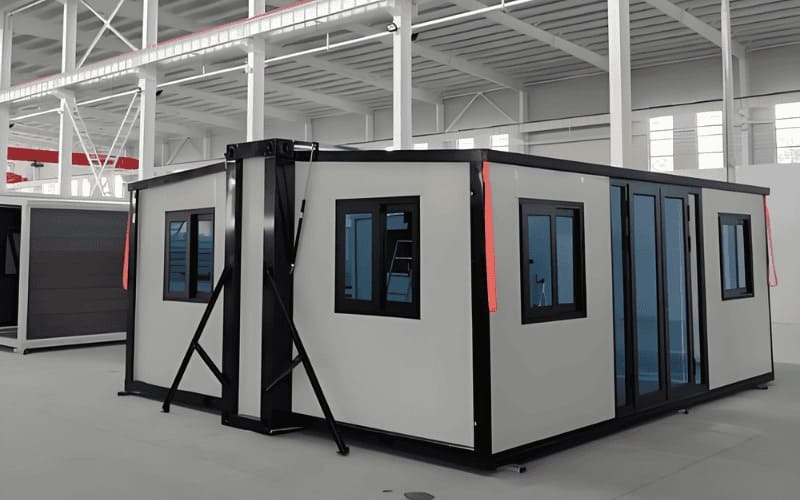
A modular home consists of prefabricated modules constructed in a factory, transported to the site, and assembled quickly into a complete, customizable residence that meets high standards for quality and sustainability.
To truly grasp modular homes, let’s break them down critically: unlike stick-built houses prone to weather delays and errors, modular construction ensures consistency.
Key Differences from Traditional Homes
- Efficiency: Factory settings allow simultaneous work on modules, cutting timelines by 50%.
- Quality Assurance: Controlled environments minimize defects, with rigorous inspections.
| Aspect | Modular Homes | Traditional Homes |
|---|---|---|
| Build Time | Weeks to months | Months to years |
| Cost Savings | 10-20% lower | Higher due to labor |
| Customization | High, per client needs | Limited by site constraints |
| Environmental Impact | Lower waste, energy-efficient materials | Higher waste, variable efficiency |
Critically, while modular homes excel in speed and cost, they demand precise site preparation. Potential buyers should evaluate local regulations early to avoid pitfalls.
This structured approach not only demystifies the concept but highlights why modular homes address urban housing shortages effectively, promoting accessibility without sacrificing durability or aesthetics.
How Is the Manufacturing Process of Modular Homes Structured?
Frustrated by opaque home-building processes that drag on forever? Modular manufacturing streamlines everything in a factory, delivering transparency and speed you can trust.
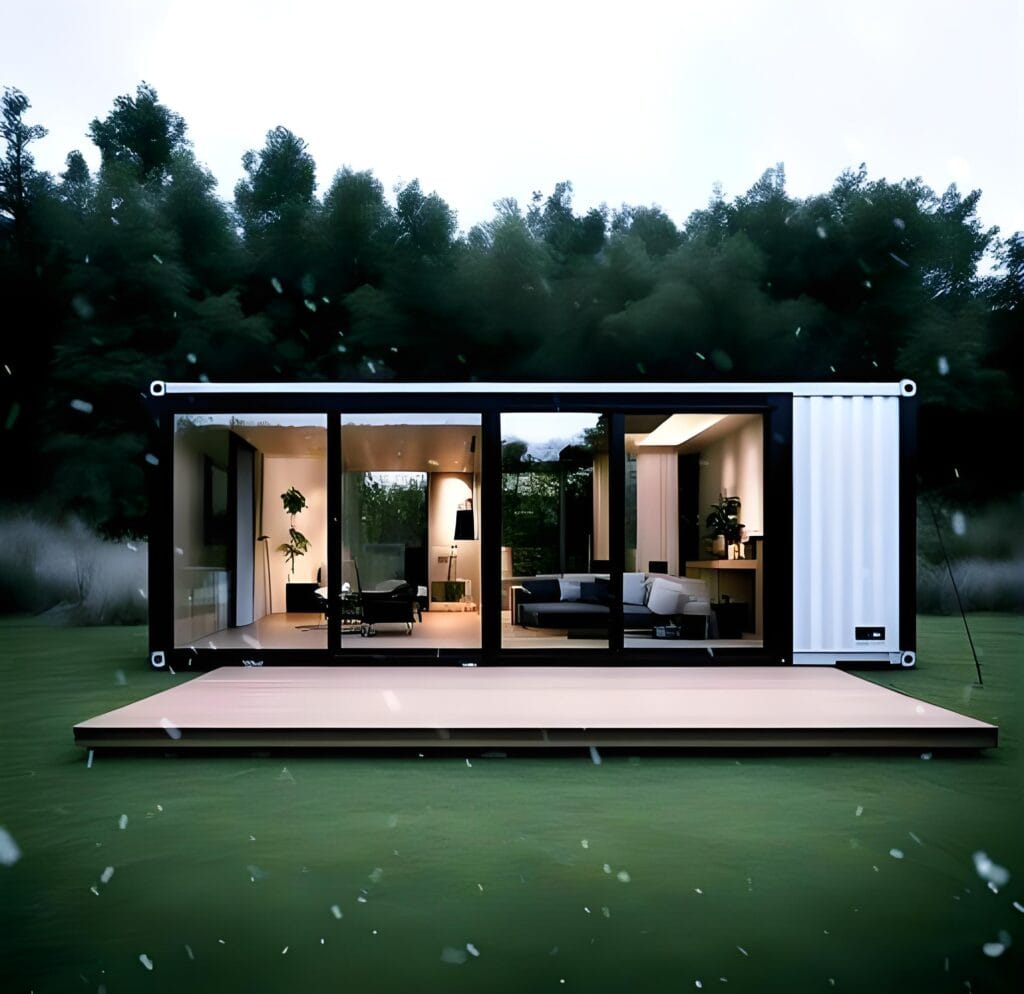
The process involves material selection for quality and efficiency, factory prefabrication with design and inspections, then transportation and on-site assembly, ensuring fast, high-standard homes.
Delving deeper, the manufacturing process showcases engineering precision, but it’s not without hurdles like transportation logistics. Breaking it down:
Stages of Production
- Material Selection: Prioritizes steel for strength, wood for insulation, concrete for foundations, and eco-materials like EPS to meet green standards—balancing cost, durability, and sustainability.
- Factory Prefabrication: Starts with client-customized designs, followed by module building on advanced lines with strict QC, reducing errors common in field work.
- Transportation and Assembly: Modules are packed securely, shipped via trailers, and assembled using cranes—often completed in days, versus months for traditional methods.
| Challenge | Solution in Modular Process |
|---|---|
| Quality Variability | Standardized factory checks |
| Time Delays | Parallel module production |
| Cost Overruns | Fixed factory pricing |
| Environmental Waste | Minimized through precision |
Critically, self-build options exist for interiors but require pros for structural elements to avoid risks like misalignment. Adhering to codes (e.g., ICC-ES, HUD) ensures compliance.
This methodical breakdown reveals modular homes’ edge in efficiency, though remote sites may face transport issues—empowering informed choices for sustainable living.
Can You Place a Modular Home Within City Limits?
Worried that innovative housing like modular homes won’t fit urban regulations or zoning? Many assume they’re rural-only, but cities are adapting—unlocking affordable options where you need them most.
Yes, modular homes can be installed in city limits if they comply with local zoning laws, building codes, and are fixed on permanent foundations, varying by area.
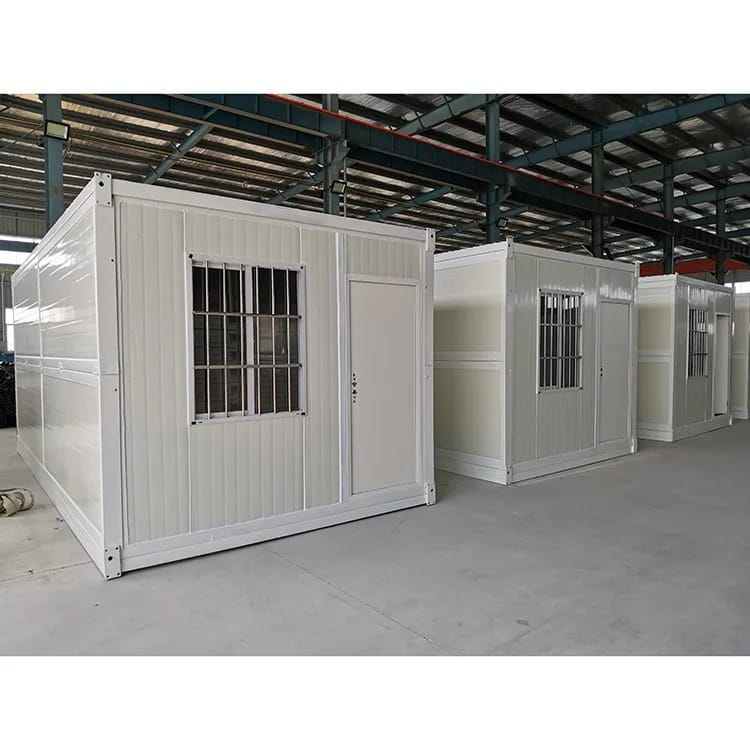
Examining this further, urban placement hinges on nuanced factors, demanding critical navigation of bureaucracy. Let’s dissect:
Regulatory Considerations
- Zoning Laws: Check for residential allowances; some cities restrict based on aesthetics or density.
- Building Codes: Must meet standards like ISO 22459 internationally or HUD in the US.
| Region | Key Requirements | Examples |
|---|---|---|
| North America | ICC-ES certification | HUD-compliant for financing |
| Europe | EN 1090 + CE mark | Structural safety focus |
| China | GB/T 51232 specs | Assembly acceptance norms |
Critically, while feasible, challenges include permit delays or neighbor objections—mitigate by choosing certified suppliers. Cities like San Francisco embrace them for housing crises, but verify land suitability first. This structured insight clarifies that with due diligence, modular homes integrate seamlessly into urban fabrics, enhancing affordability without compromising compliance or community fit.
What Are the Advantages and Disadvantages of Modular Homes?
Battling high costs and environmental concerns in housing? Modular homes offer compelling pros but come with trade-offs—understanding both ensures you make a savvy investment.
Advantages include fast construction, cost savings (10-20% less), eco-friendliness, quality control, and customization; disadvantages involve transportation limits, land needs, and potential resale challenges.
To critically evaluate, modular homes shine in efficiency but require realistic expectations. Breaking down pros/cons:
Pros in Detail
- Speed and Cost: Factory builds halve timelines, saving labor.
- Sustainability: Less waste, energy-efficient materials.
Cons Analyzed
- Logistics: Size restricts remote access; plan routes carefully.
- Market Perception: Some view as inferior—counter with site visits.
| Pro | Impact | Con | Mitigation |
|---|---|---|---|
| Fast Build | Saves time/money | Transport Limits | Choose nearby factories |
| Eco-Friendly | Reduces footprint | Resale Issues | Opt for permanent foundations |
| Customizable | Fits needs | Land Requirements | Assess site early |
Overall, advantages outweigh for urban shortages, but cons like zoning vary regionally. This breakdown fosters deeper understanding, highlighting modular homes’ role in future-proof, affordable housing while urging buyers to weigh personal contexts critically.
How Can You Finance and Price a Modular Home?
Overwhelmed by housing costs and financing hurdles? Modular homes cut prices significantly, but navigating loans demands strategy—unlock savings without surprises.
Prices range 10-20% below traditional homes; finance via conventional mortgages or construction loans if compliant, with property rights identical when permanently founded.
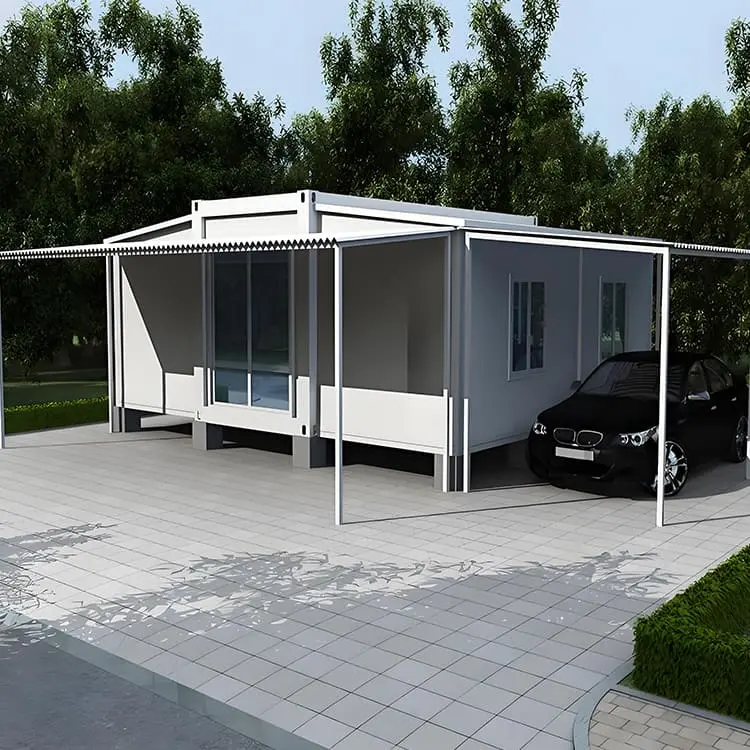
Pricing and financing modular homes involve layered factors; critically, transparency avoids pitfalls like hidden fees. Let’s unpack:
Pricing Breakdown
- Ranges: Basic models at 70-80% of traditional costs; customized nearer parity but faster.
- Factors: Transport (escalates over 500km), foundation complexity, subsidies.
Financing Options
- Mortgages: Standard if fixed foundation; higher down payments (25%) possible.
- Loans: Phased for production/assembly; require supplier certs.
| Aspect | Traditional Homes | Modular Homes |
|---|---|---|
| Cost | Higher labor | 10-20% savings |
| Loan Types | Standard mortgage | Construction + mortgage |
| Risks | Overruns | Supplier stability |
Market acceptance grows in high-cost cities, driven by youth and eco-trends. Critically, confirm supplier credibility to sidestep bankruptcy risks.
This structured guide equips buyers to secure financing confidently, positioning modular homes as viable, value-driven alternatives in a pricey market.