As housing prices continue to rise worldwide, more people are turning to efficient, modern, and flexible alternatives. One of the fastest-growing solutions is the modular capsule house—a lightweight, factory-built living unit designed for affordability, comfort, and long-term durability.
Whether for personal living, rental investment, tourism resorts, or off-grid retreats, modular capsule houses provide solutions that traditional homes simply cannot match.
1. What Is a Modular Capsule House?
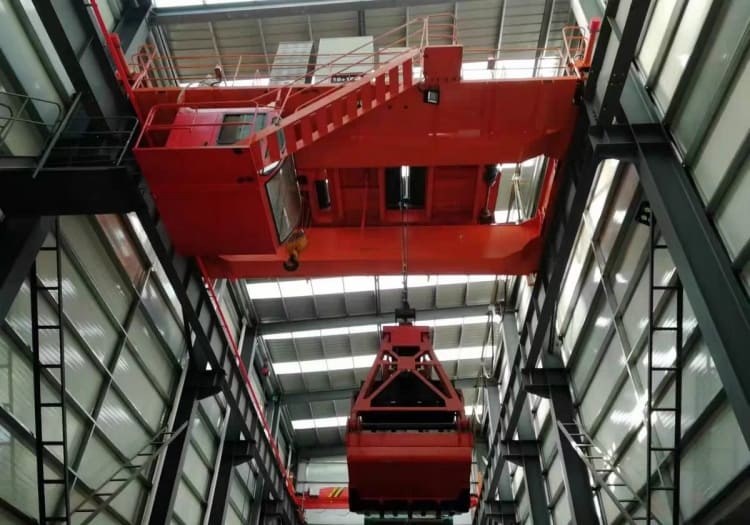
A modular capsule house is a pre-engineered structure designed in compact modules. These units are built in factories using advanced production methods, then shipped to the site for quick assembly.
Unlike traditional construction, which requires months of labor and high costs, modular capsule homes offer:
Pre-built modules
Fast on-site installation
Reduced labor expenses
Predictable quality
Minimal construction waste
This makes them a practical choice for customers seeking both affordability and long-term reliability.
2. Why Modular Capsule Houses Are More Affordable
When buyers compare housing options, one common question is:
“How much does a modular capsule house cost?”
Prices are significantly lower than traditional homes for several reasons:
✔ Factory-controlled production
Mass production reduces material waste and ensures stable pricing.
✔ Faster installation = lower labor costs
Most capsule houses can be installed in 1–3 days by 2–3 workers.
✔ Simplified logistics
Modules are optimized for container transport, reducing shipping fees.
✔ No middleman markup
Factory-direct sales help customers save an additional 20–30%.
With these cost advantages, modular capsule homes provide high value for private buyers and commercial developers.
3. Modern Design That Maximizes Small Spaces
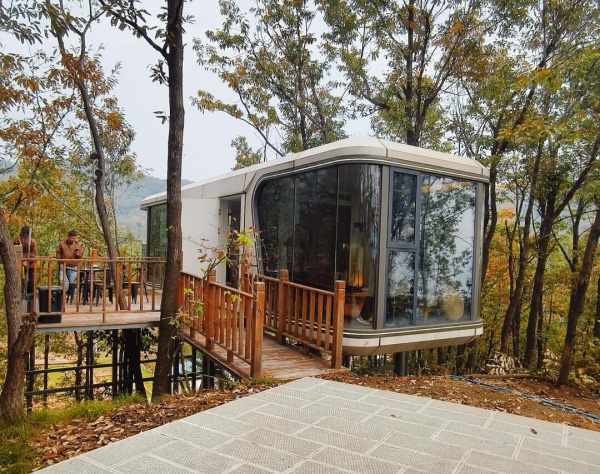
The interior design of a capsule house is one of its strongest selling points. Even with limited square footage, the layout feels open, functional, and stylish.
Common design features include:
Multi-purpose layouts
Floor-to-ceiling glass
Hidden storage compartments
Modern LED lighting
Insulated walls for year-round comfort
The inside of a capsule house is engineered to support real daily living—not just minimal camping—making it suitable for long-term residents, tenants, and tourists.
4. Fast Setup for Campsites, Resorts & Rental Projects
Modular capsule houses are especially popular among:
Campground owners
Eco-resort developers
Short-term rental operators
Off-grid cabin builders
Remote workforce housing projects
Because installation is fast and maintenance is low, businesses can:
Start operations quicker
Reduce initial investment
Achieve faster return on investment
Many developers use these units as holiday cabins, tiny vacation homes, or stylish glamping suites.
5. Durability & Engineering Quality
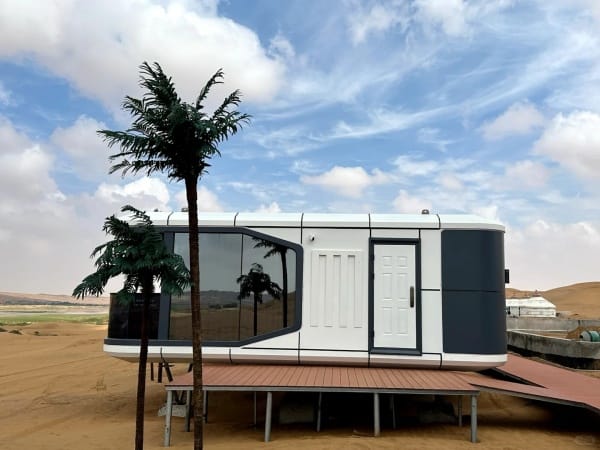
A major misconception is that compact modular homes are weak or temporary. In reality, high-quality capsule houses use:
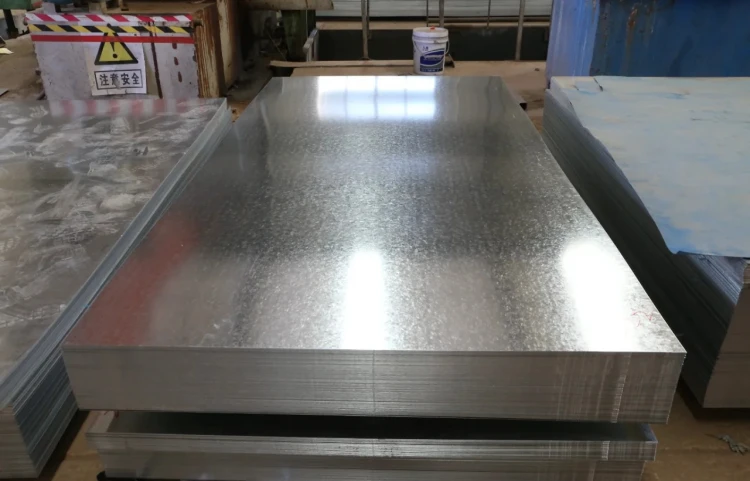
Galvanized steel frames
Fire-resistant insulation
Waterproof exterior panels
Double-layer flooring
Energy-efficient windows
These materials ensure:
A lifespan of 20–50 years
Low maintenance
Resistance to moisture, heat, and wind
Safe long-term occupancy
This durability makes capsule houses suitable for harsh climates and long-term property investment.
6. Modular Homes vs Traditional Homes
Traditional construction involves:
Long building cycles
Many subcontractors
Uncertain timelines
Weather delays
Higher labor costs
Modular capsule homes solve these problems with:
Pre-engineered components
Standardized quality
Shorter lead times
Cleaner installations
Predictable budgeting
This efficiency explains why more builders, homeowners, and resort developers are choosing modular systems over traditional methods.
7. Strong Global Market Growth
The market for modular houses and capsule homes is growing rapidly. Several factors drive this trend:
Rising housing costs
Growth of the tiny living movement
Investment in glamping & tourism
Remote work and lifestyle changes
Demand for eco-friendly buildings
Countries in Asia, Europe, North America, and the Middle East are all adopting modular solutions for both residential and commercial use.
8. Are Modular Capsule Houses a Good Investment?
Absolutely. These homes offer:
✔ Low entry cost
Much cheaper than traditional homes.
✔ High rental potential
Great for Airbnb, resorts, and short-term stays.
✔ Mobility and flexibility
Easy to relocate or add modules.
✔ Resale value
Strong demand in both new and second-hand markets.
✔ Minimal maintenance
Durable materials reduce long-term costs.
For investors or first-time homeowners, this makes the modular capsule house an ideal choice.
Conclusion: Modular Capsule Houses Are Shaping the Future of Housing
As the world looks for alternatives to outdated construction, modular capsule houses stand out as one of the most efficient, affordable, and stylish solutions.
Whether you’re researching:
the cost of a modular capsule house
the interior design of compact homes
whether modular homes are durable
how to choose a model for campsites or rentals
You’ll find that capsule homes deliver unmatched flexibility and long-term value.
Modular capsule houses are not just a trend—they are the future of smart, modern, and affordable living.