Choosing siding for your mobile home can feel overwhelming with so many options. This guide helps you understand the most popular materials, their pros and cons, and how to pick the best one based on climate, budget, and maintenance needs.
Types of Mobile Home Siding
Selecting the right siding affects your home’s appearance, durability, and upkeep. Here’s a breakdown of common siding types:
1. Vinyl Siding
- Pros: Durable, low-maintenance, budget-friendly, weather-resistant, wide color options.
- Cons: Can crack under extreme impact.
- Best For: Homeowners seeking affordability and low upkeep.
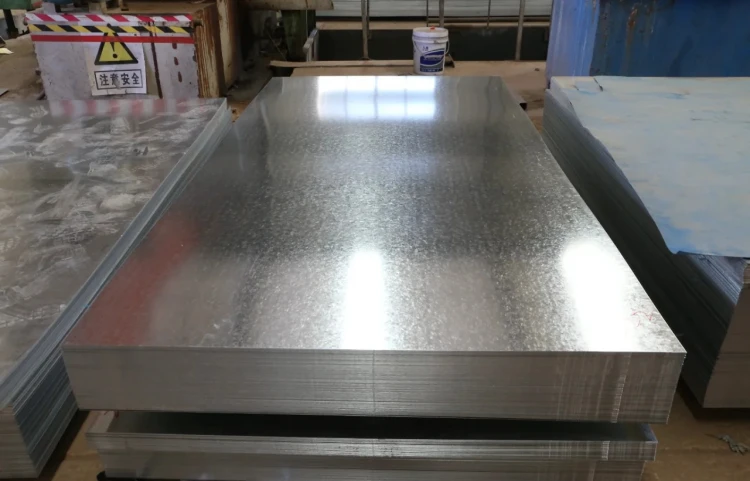
2. Metal Siding
- Pros: Durable, fire-resistant, modern appearance, low-maintenance.
- Cons: Can dent; may require occasional touch-ups.
- Best For: Areas with harsh weather and homeowners wanting a sleek look.
3. Wood Siding
- Pros: Natural, rustic aesthetic; customizable with paint or stain.
- Cons: High-maintenance; prone to rot and pests if untreated.
- Best For: Traditional or classic design lovers willing to invest in upkeep.
4. Fiber Cement Siding
- Pros: Fire-resistant, durable, low-maintenance, can mimic wood or stucco.
- Cons: Heavier and harder to install.
- Best For: Those wanting long-lasting durability with a stylish appearance.
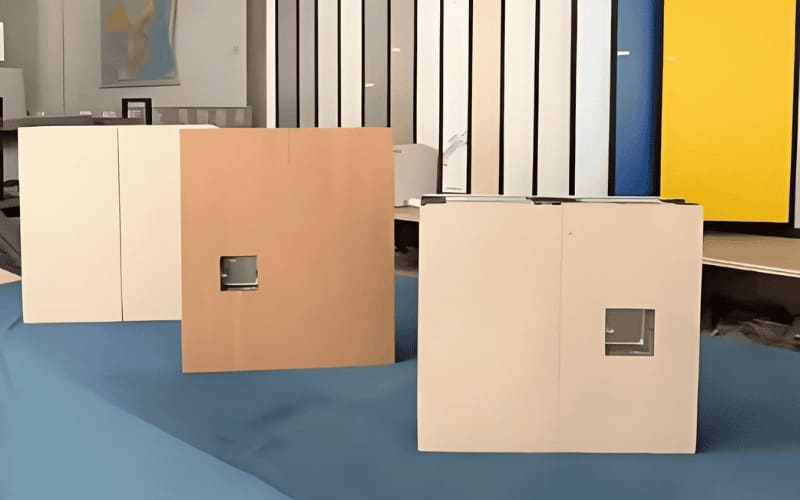
5. Insulated Siding
- Pros: Adds energy efficiency, improves soundproofing, durable.
- Cons: Higher initial cost.
- Best For: Extreme climates or homeowners prioritizing energy savings.
Comparison Table: Mobile Home Siding Types
| Material | Lifespan | Maintenance | Cost | Best For |
|---|---|---|---|---|
| Vinyl | 20–40 years | Low | Low | Budget-friendly, low upkeep |
| Metal (Al/Steel) | 40–50+ years | Low | Medium | Harsh weather, modern look |
| Wood | 10–30 years | High | Medium | Rustic, traditional design |
| Fiber Cement | 50+ years | Low | High | Durable, aesthetic versatility |
| Insulated | 30–50+ years | Low–Medium | High | Energy-efficient, soundproof |
Factors to Consider When Choosing Siding
1. Climate and Weather
- Cold areas: Metal or fiber cement resist freezing damage.
- Hot areas: Vinyl and metal handle heat well.
- Humid/rainy areas: Fiber cement or metal resist moisture better than wood.
2. Budget and Cost
- Vinyl: Most cost-effective upfront and long-term.
- Metal: Slightly higher initial cost, durable for decades.
- Wood: Lower upfront cost but high maintenance costs.
- Fiber cement: Higher installation cost, but long-lasting.
3. Maintenance Requirements
- Low-maintenance: Vinyl, metal, fiber cement.
- High-maintenance: Wood—needs painting, sealing, pest prevention.
4. Aesthetic Preferences
- Vinyl: Many textures/colors, can mimic wood.
- Metal: Sleek, modern finishes.
- Wood: Natural, customizable.
- Fiber Cement: Wood, stucco, or stone look.
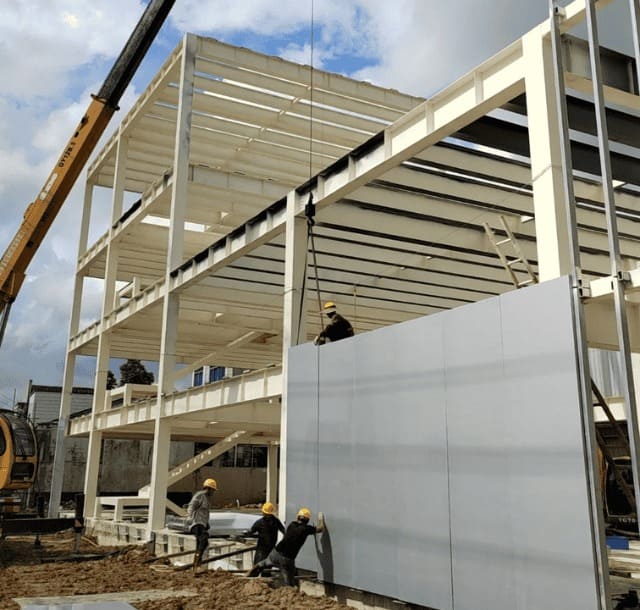
Installation Process
- Vinyl: Easy, DIY-friendly.
- Metal: Moderate, professional help recommended for precision.
- Wood: Challenging, heavy; professional installation advised.
- Fiber Cement: Labor-intensive; professional installation preferred.
DIY vs. Professional Installation
DIY enthusiasts may prefer vinyl siding, while complex materials like fiber cement or wood benefit from professional installation.
Siding Lifespan Overview
| Material | Average Lifespan |
|---|---|
| Vinyl | 20–40 years |
| Metal | 40–50+ years |
| Wood | 10–30 years |
| Fiber Cement | 50+ years |
| Insulated | 30–50+ years |
Environmental Impact
- Metal: Recyclable and durable.
- Wood: Renewable if responsibly sourced.
- Fiber Cement: Long-lasting, may contain recycled content.
Conclusion
Selecting mobile home siding isn’t just about looks. Consider climate, cost, maintenance, lifespan, and eco-friendliness. Whether you choose vinyl, metal, wood, fiber cement, or insulated siding, there’s a perfect option for your home.
We also offer steel-frame modular homes and prefab buildings with premium siding materials, backed by a 50-year structural warranty and a 25-year coating warranty, ensuring your investment remains protected for decades.