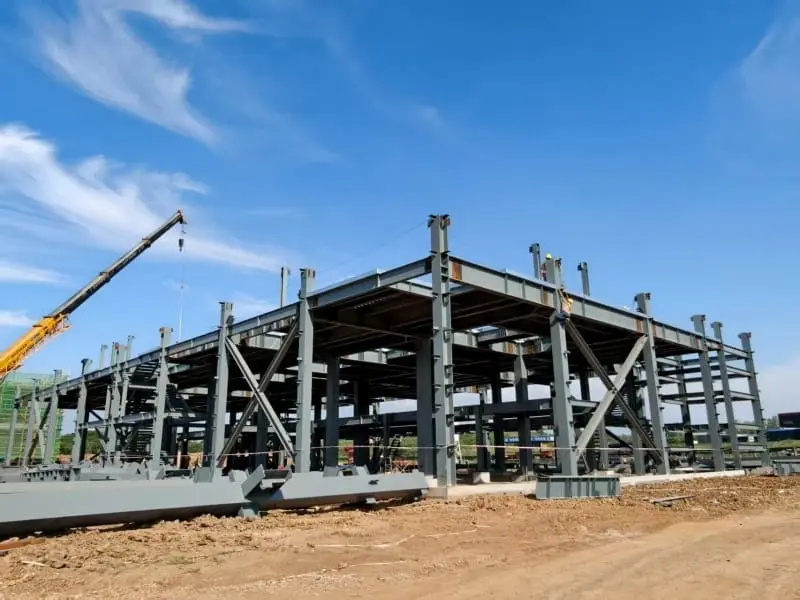
Steel structures are widely used in modern construction due to their strength, durability, and flexibility. However, steel structures are commonly divided into light steel and heavy steel, and each type is designed for different construction needs.
Understanding the differences between light steel and heavy steel helps engineers, builders, and developers choose the most suitable structural material for specific building projects.
1. Material Characteristics and Strength
The most fundamental difference between light steel and heavy steel lies in their material properties and load-bearing capacity.
Heavy Steel
Heavy steel typically refers to steel materials with higher density, greater strength, and stronger load-bearing capacity. The primary components are iron and carbon, with additional alloy elements such as:
Manganese
Silicon
Sulfur
Phosphorus
These alloy elements enhance the hardness, strength, and durability of the steel.
Key characteristics of heavy steel include:
Higher tensile strength
Higher yield strength
Strong load-bearing capacity
Excellent structural stability
Because of these properties, heavy steel is widely used in large-scale infrastructure and heavy-duty structures such as bridges, ships, and large industrial buildings.
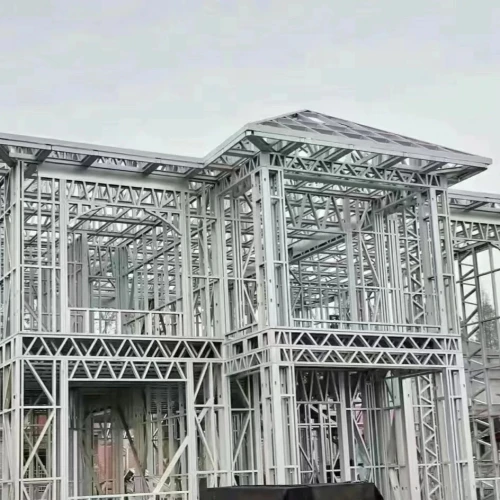
Light Steel
Light steel refers to steel materials with lower density and relatively lighter structural weight. The basic composition is still iron and carbon, but additional elements such as aluminum or zinc are often included to improve corrosion resistance and weldability.
Although light steel has lower structural strength compared to heavy steel, it offers several advantages:
Good plasticity and flexibility
Excellent toughness
Strong resistance to vibration and impact
Lightweight structural design
These characteristics make light steel particularly suitable for prefabricated buildings and modular construction.
2. Structural Design and Construction Methods
Another important difference between light steel and heavy steel is the design complexity and construction process.
Heavy Steel Structures
Heavy steel structures are typically used for projects that require high structural stability and large load-bearing capacity.
Because of their weight and structural complexity, the design process requires:
Detailed structural calculations
Advanced force analysis
High-level engineering planning
Construction often involves:
Large lifting equipment
Professional construction teams
Precision welding and bolted connections
As a result, heavy steel construction usually requires more time, equipment, and technical expertise.
Light Steel Structures
Light steel buildings generally follow a standardized and modular design approach. Many components are prefabricated in factories, which allows for fast and efficient on-site assembly.
Common characteristics of light steel construction include:
High level of prefabrication
Modular building systems
Faster installation and assembly
Connection methods often include:
Self-tapping screws
Rivets
Light bolted connections
This simplified construction process enables shorter construction periods and consistent building quality.
3. Cost and Environmental Impact
Cost and sustainability are also key factors when comparing light steel and heavy steel structures.
Heavy Steel
Heavy steel structures usually involve higher material and construction costs. The reasons include:
Larger quantities of steel materials
Use of heavy lifting equipment
Need for skilled construction technicians
However, heavy steel structures provide excellent durability and long-term stability, which can reduce maintenance costs over time.
Light Steel
Light steel structures offer several cost advantages:
Lower material consumption
Faster construction speed
Reduced labor requirements
In addition, light steel buildings support sustainable construction practices because the materials are recyclable and reusable.
Environmental benefits include:
Reduced construction waste
Lower noise and dust during installation
Smaller environmental impact during construction
4. Applications and Future Development
The applications of light steel and heavy steel differ based on their structural performance and load-bearing capacity.
Heavy Steel Applications
Heavy steel is commonly used in large-scale engineering projects, including:
High-rise buildings
Bridges
Industrial machinery structures
Shipbuilding and marine engineering
In many high-rise buildings, heavy steel serves as the main structural components such as primary beams and columns.
Light Steel Applications
Light steel structures are widely used in modern building projects that require efficiency and flexibility, including:
Residential housing
Prefabricated homes
Industrial workshops
Warehouses and storage buildings
Light steel houses are particularly popular because they offer:
Short construction periods
Good seismic resistance
Energy efficiency
Environmentally friendly building solutions
Light steel is also commonly used for interior structural components, such as shelving systems, partitions, and display cabinets.
Conclusion
Light steel and heavy steel each play an important role in modern construction.
Heavy steel offers superior strength and is ideal for large-scale infrastructure and heavy-load structures.
Light steel provides flexibility, faster construction, and lower costs, making it suitable for residential buildings, modular structures, and industrial facilities.
By understanding the differences in material properties, construction methods, cost factors, and applications, builders and developers can select the most appropriate steel solution for their projects.