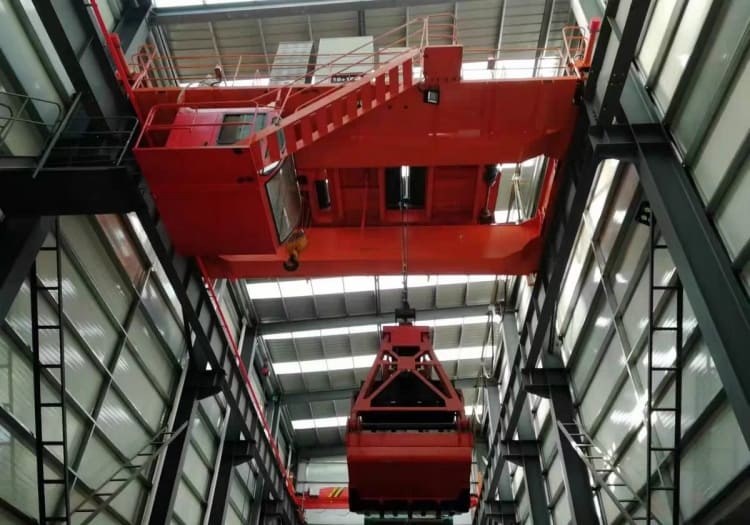
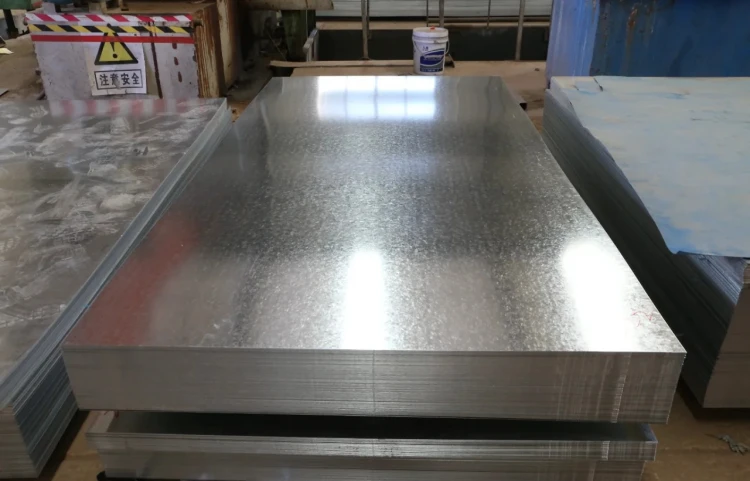
Integrated housing, also known as modular construction, is transforming the building industry worldwide. By prefabricating building components in factories and assembling them on-site, it delivers efficiency, flexibility, and environmental benefits.
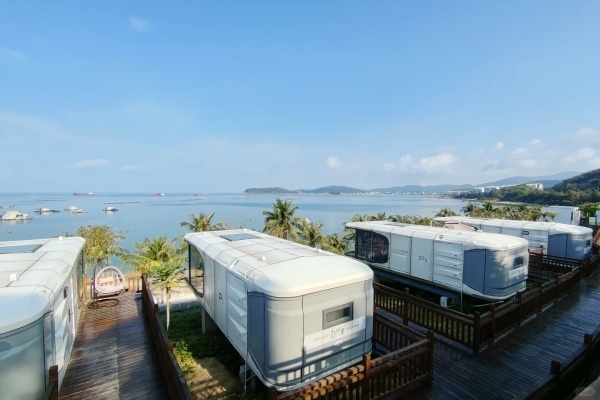
From market growth to technological innovation and sustainable applications, integrated housing is driving a new era in construction.
📈 Global Market Overview and Driving Factors
The global integrated housing market is projected to grow from $48.19 billion in 2024 to $58.7 billion by 2031.
Key drivers include:
Affordable housing demand
Faster construction times (up to 2x quicker than traditional methods)
Reduced carbon emissions and construction waste, supporting sustainable development
🔧 Technological Innovation in Integrated Housing
Technological advances are central to integrated housing, enhancing precision, digital design, and supply chain management:
Precision Manufacturing and Integrated Systems
Factory production controls errors at millimeter-level accuracy
Concepts like micro-utility tunnels integrate up to 60% of interior pipelines, improving maintenance and space efficiency
Digital Design and Delivery
Parametric design allows digital building definitions to drive automated production
Intelligent Supply Chain Management
Assigning a digital passport to each module ensures traceability and precise positioning from factory to site
🌍 Global Applications and Case Studies
Integrated housing is applied across residential, commercial, and industrial sectors worldwide:
China:
Shenzhen: A 30-story subsidized housing project topped out in 148 days using modular technology
Shandong: Factory-built solutions address 101 resident needs, including energy efficiency and sound insulation
Guangdong: Modular buildings exported globally; e.g., 78 modules assembled into a hotel in Iceland in 9 days
North America:
Driven by sustainable buildings, energy efficiency, and housing shortages
Wood is widely used due to renewable and low-carbon advantages
Europe:
Europe holds 29% of the global market for prefabricated homes
Leading companies include Bouygues Construction and Laing O’Rourke
🌱 Environmental Advantages and Sustainability
Integrated housing supports eco-friendly construction:
Reduced Waste: Factory precision cuts material waste by over 75%
Lower Carbon Emissions: Streamlined construction and sustainable materials reduce carbon footprint by 75%+
Materials & Recycling: Wooden modular homes sequester carbon; modular buildings can reach 70% recycling rates, improving resource circularity
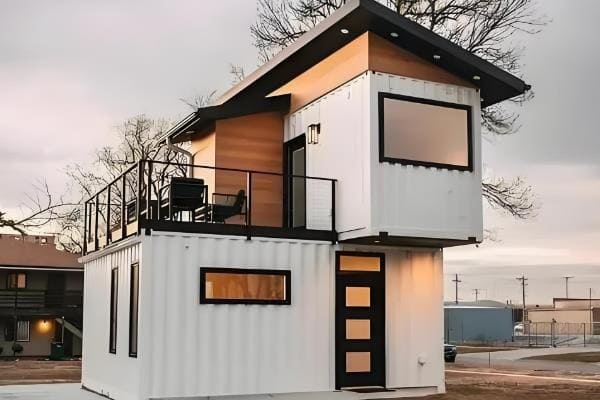
🔮 Future Trends and Challenges
The future of integrated housing is bright but faces challenges:
Trends:
Customization & Personalization: Consumers can tailor interiors, finishes, and smart home systems, similar to choosing a car model
Green & Smart Tech Integration: AI, IoT, and digital twins will enhance efficiency and sustainability
Challenges:
Regional building code differences
High initial investment
Changing perceptions of modular housing as “low-end”
Integrated housing is evolving into a leading force in industrialized, digital, and green construction, shaping the future of human living environments.
FAQ
Q1: What is integrated housing?
A: Modular or prefabricated construction where building components are produced in factories and assembled on-site efficiently.
Q2: Which countries lead integrated housing adoption?
A: China, North America, and Europe, with advanced technologies and government support driving growth.
Q3: How does integrated housing support sustainability?
A: Reduces construction waste, lowers carbon emissions, and uses recyclable or renewable materials like wood.
Conclusion & Call-to-Action
Integrated housing is transforming global construction through efficiency, sustainability, and digital innovation. With growing market demand, advanced technologies, and environmental benefits, it is becoming a cornerstone of future urban and rural living.
💡 Interested in learning how integrated housing can be implemented for your project or investment? Contact us today for expert advice and modular solutions tailored to your needs!