Capsule houses are rapidly gaining attention in today’s fast-paced world. With compact footprints, modular construction, and sustainable design, these innovative structures are reshaping how businesses approach modern living and working spaces.
For B2B buyers—such as hospitality developers, real estate investors, office solution providers, and resort operators—capsule houses offer a flexible, scalable alternative to traditional construction. Whether used as vacation rentals, on-site offices, employee housing, or commercial accommodation, capsule homes deliver efficiency without compromising comfort or design.
One of their greatest advantages lies in customization. By working directly with a capsule house manufacturer, businesses can transform a standard prefabricated unit into a fully tailored solution that aligns with brand identity, functional needs, and long-term operational goals.
This guide walks you through the entire capsule house customization process, from initial consultation to post-installation support, helping you plan with clarity and confidence.
1. Initial Consultation: Defining Project Goals
The customization journey begins with an in-depth consultation, conducted either online or in person. This stage ensures alignment between your business objectives and the manufacturer’s capabilities.
Key discussion points include:
Intended use (hotel unit, office pod, staff accommodation, rental property)
Required capacity, layout expectations, and scalability
Budget range, delivery timeline, and local compliance requirements
To streamline the process, prepare a list of functional priorities and reference images. Clear input at this stage allows manufacturers to propose solutions that are both cost-effective and technically feasible.
2. Design Selection and Modular Customization
After defining the project scope, you’ll select a base capsule house model. Thanks to modular design, customization is both efficient and scalable.
You can:
Select layouts based on room functions and flow
Add or remove modules to expand capacity
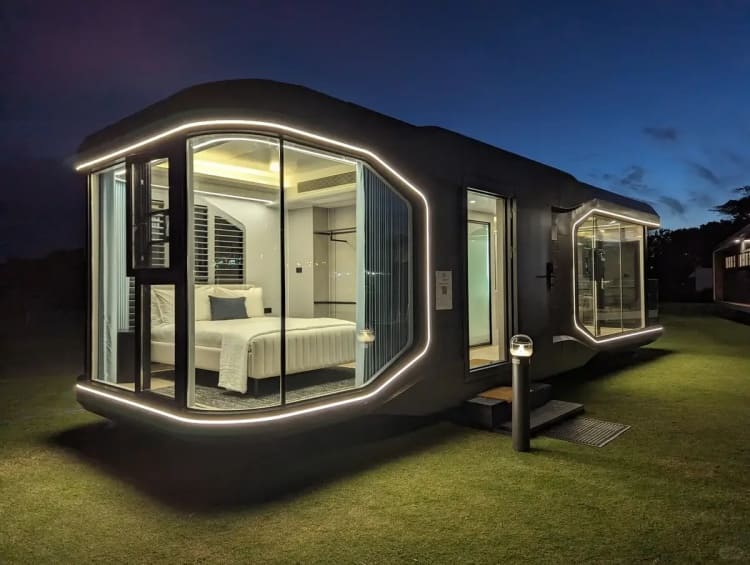
Customize windows, doors, façades, and exterior finishes
Many manufacturers provide 3D renderings or digital mockups, enabling faster decision-making. This is also the ideal stage to integrate energy-efficient features such as enhanced insulation, solar panels, or smart building systems.
3. Material Selection for Durability and Efficiency
Material choices directly affect longevity, energy performance, and maintenance costs, which are critical considerations for B2B buyers.
Key areas include:
Exterior materials: steel frames, composite panels, or eco-friendly wood finishes
Insulation systems: optimized for climate and energy efficiency
Interior finishes: flooring, wall panels, and sustainable material options
Manufacturers typically guide clients toward materials that balance cost control, durability, and sustainability, especially for commercial-scale deployments.
4. Interior Customization and Smart Integration
Interior design is where a capsule house becomes a functional business asset rather than just a compact structure.
Customization options include:
Space-optimized layouts with integrated storage
Energy-efficient appliances and commercial-grade fixtures
Smart systems for lighting, climate control, and access management
Color schemes and finishes aligned with brand standards
With thoughtful planning, capsule houses can deliver a premium experience within a compact footprint—ideal for hospitality and workspace solutions.
5. Final Design Approval and Technical Review
Before production begins, all design elements are finalized. This stage usually involves:
Reviewing detailed drawings or 3D models
Making final technical or aesthetic adjustments
Confirming specifications for manufacturing
Close collaboration at this point minimizes production risks and ensures the finished unit meets operational expectations.
6. Cost Breakdown and Payment Structure
Transparent pricing is essential for B2B projects. Manufacturers typically provide a comprehensive cost estimate covering:
Base unit pricing
Custom design and material upgrades
Transportation and installation costs
Flexible payment terms may be available depending on order volume. Always review warranty coverage, service terms, and contractual obligations before confirmation.
7. Manufacturing, Delivery, and Installation
Once approved, the capsule house enters production under controlled factory conditions, ensuring consistent quality.
During this phase:
Quality inspections are conducted at each stage
Progress updates are shared with clients
Logistics and delivery schedules are coordinated
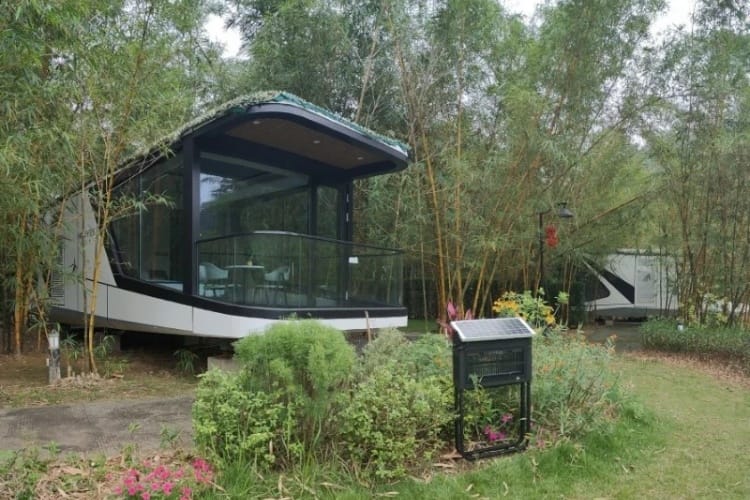
Site preparation—such as foundation leveling and utility access—should occur in parallel. Many manufacturers offer turnkey installation services, reducing on-site workload and deployment time.
8. Post-Installation Support and Long-Term Value
Reliable manufacturers continue supporting clients after installation. Post-installation services often include:
Maintenance guidance and technical support
Troubleshooting for smart systems and appliances
Future upgrades, module expansion, or reconfiguration
Ongoing support ensures the capsule house remains a long-term, scalable asset rather than a short-term solution.
Conclusion
Customizing a capsule house offers B2B buyers a flexible, efficient, and scalable approach to modern housing and workspace solutions. By partnering with the right manufacturer and following a structured process—from consultation to post-installation support—businesses can create tailored capsule homes that balance design, functionality, and long-term value.