Building a container home is one of the fastest and most cost-effective ways to create a modern living space. Whether you’re planning a compact cabin, a full family house, or even a commercial project, shipping containers offer durability, flexibility, and a unique architectural style.
This comprehensive guide walks you through every stage—from planning and permits to foundation, insulation, and final installation—so you can clearly understand how to build a container home from start to finish.
Why Choose a Container Home?
Before diving into construction, it’s important to understand why container homes are gaining global popularity.
1. Cost-Effective Construction
Container homes are typically more affordable than traditional brick or wood houses. Faster construction reduces labor costs and shortens project timelines.
2. Mobility and Flexibility
Unlike conventional homes, container houses can be relocated. This makes them ideal for temporary housing, offices, Airbnb rentals, or remote projects.
3. Eco-Friendly and Sustainable
Using recycled shipping containers reduces construction waste. With proper insulation and solar integration, they can become highly energy-efficient homes.
4. Customizable Design
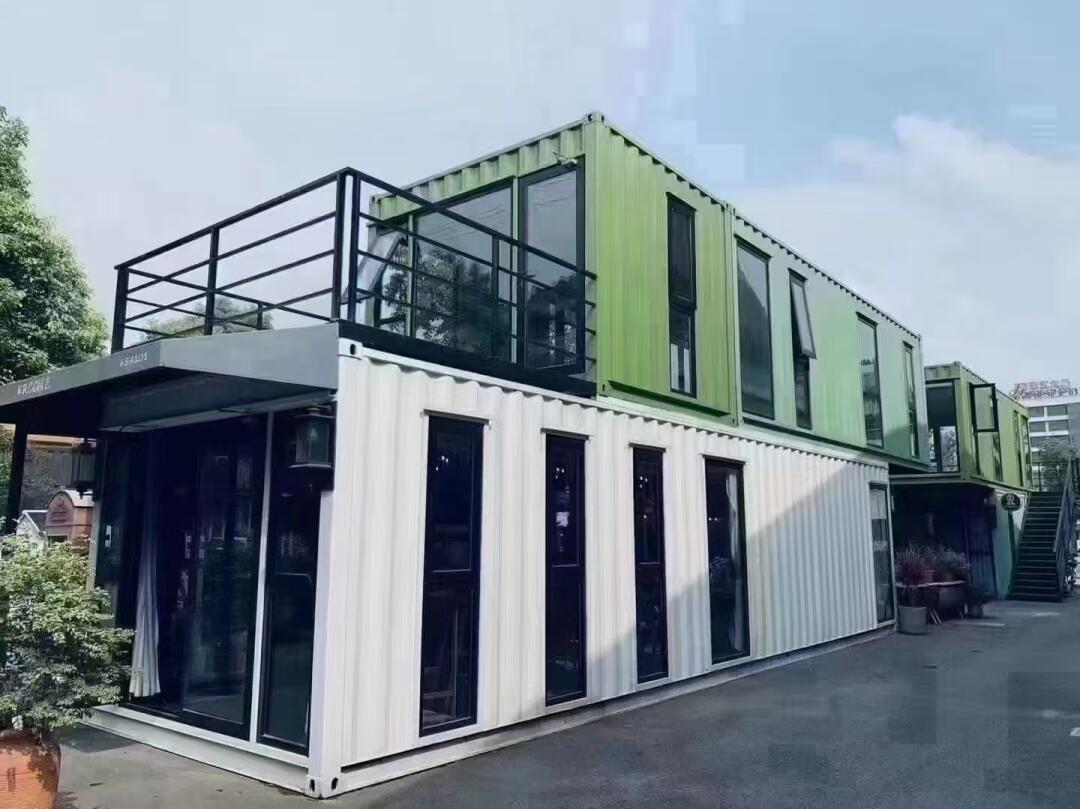
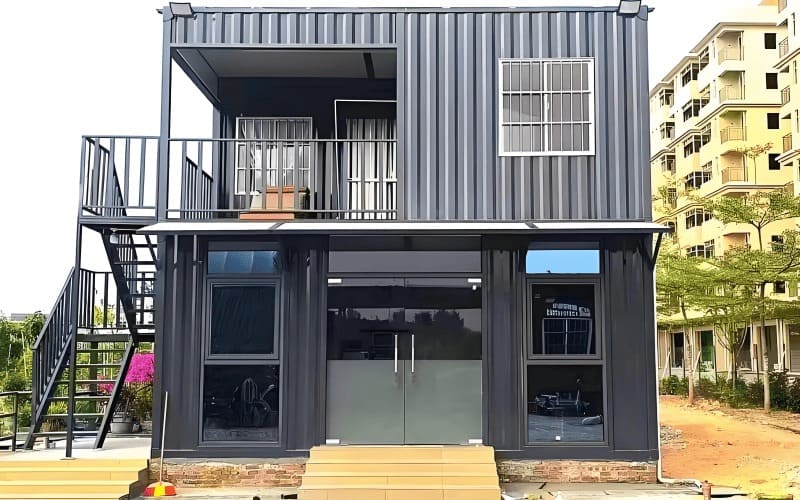
From single units to multi-container layouts, designs are highly flexible. You can create anything from a minimalist studio to a luxury villa.
5. Durable and Safe
Built from industrial-grade steel, container homes withstand harsh weather, strong winds, and seismic activity.
6. Modern Aesthetic Appeal
Their industrial-modern style makes them popular for residential and commercial use, especially in hospitality and creative spaces.
7. Strong Land Adaptability
Container homes can be installed on narrow, sloped, or irregular plots, making them ideal for urban and remote environments.
Step-by-Step Guide to Building a Container Home
Step 1: Define Your Needs and Goals
Start by clarifying your project requirements:
- How many rooms do you need?
- Will it be a home, office, or rental property?
- What is your budget?
- What climate conditions must it handle?
- Do you need a single unit or multiple containers?
Tip: Clear planning can reduce design changes by up to 30%.
Step 2: Check Permits and Local Regulations
Before construction begins, verify:
- Zoning laws
- Building codes
- Height restrictions
- Fire safety standards
- Structural engineering requirements
Approval timelines usually range from 1–3 months, depending on your location.
Step 3: Choose the Right Container Type
The most common options include:
20ft Container
- Ideal for offices or studios
- Easy to transport
- Lower cost
40ft Container
- Suitable for full living spaces
- More layout flexibility
40ft High Cube Container
- Extra height (~30 cm more)
- Better insulation and comfort
- Most recommended for homes
For larger projects, you can combine 2–8 containers.
Step 4: Design Layout and Structure
Work with professionals to finalize:
- Floor plan
- Door and window placement
- Structural reinforcements
- Electrical and plumbing systems
- Interior finishes
⚠️ Important: Large openings must be reinforced with steel beams to maintain structural integrity.
Step 5: Site Preparation and Foundation
A strong foundation is critical. Common types include:
✔ Concrete Piers
- Affordable
- Best for small homes
- Cost: $3,000–$8,000
✔ Steel Stilts
- Ideal for slopes or flood-prone areas
- Cost: $6,000–$12,000
✔ Concrete Slab
- Most stable option
- Best for permanent homes
- Cost: $10,000–$18,000
Step 6: Structural Modifications
This stage includes:
- Cutting doors and windows
- Reinforcing openings
- Welding containers together
- Installing roof drainage systems
Every structural change must be engineered carefully to ensure safety.
Step 7: Insulation and Weatherproofing
Steel conducts heat, so proper insulation is essential.
Common insulation options:
- Spray Foam (best performance)
- Rock Wool (fire-resistant)
- SIP Panels (high efficiency)
Good insulation reduces energy costs and improves comfort.
Step 8: Install Electrical, Plumbing, and HVAC
Install all essential systems:
- Electrical wiring
- Water supply and drainage
- Ventilation systems
- HVAC or mini-split AC
- Water heating system
Professional installation ensures safety and compliance.
Step 9: Interior and Exterior Finishing
Transform the structure into a livable space:
Interior:
- Flooring (wood, vinyl)
- Wall panels or drywall
- Kitchen and bathroom systems
- Built-in furniture
Exterior:
- Wood or composite cladding
- Protective coatings
- Decks or balconies
Step 10: Delivery and Installation
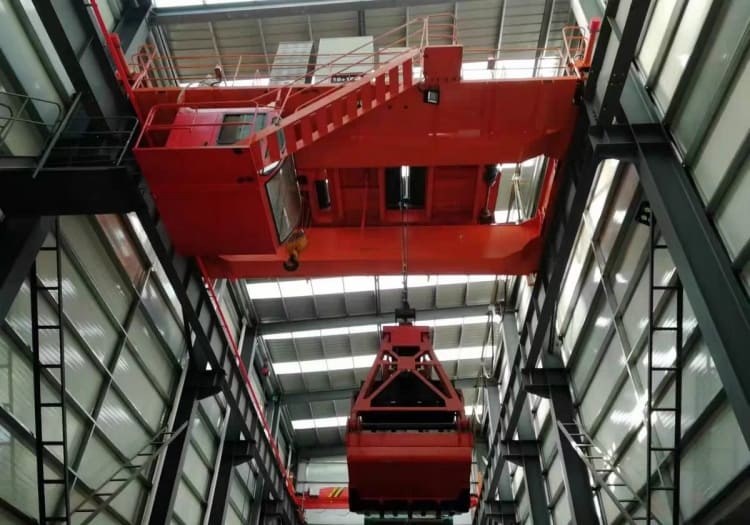
Containers are transported to your site and installed using cranes.
Installation timeline:
- Single unit: 1–3 days
- Multi-container home: 7–20 days
Final connections include plumbing, electricity, and sealing joints.
Step 11: Final Inspection and Move-In
Before moving in, check:
- Electrical systems
- Plumbing
- Insulation
- Waterproofing
- Structural safety
Once approved, your container home is ready.
How Long Does It Take to Build?
- Factory construction: 4–12 weeks
- On-site installation: 3–20 days
Much faster than traditional construction.
How Much Does It Cost?
Typical price ranges:
- DIY: $10,000–$35,000
- Mid-range: $35,000–$150,000
- High-end: $120,000–$250,000+
Costs depend on:
- Size
- Materials
- Insulation
- Foundation
- Interior finishes
- Local labor
Key Advantages Summary
| Advantage | Description | Benefit |
|---|---|---|
| Cost | Lower build cost | Saves money |
| Speed | Faster construction | Saves time |
| Mobility | Relocatable | Flexible living |
| Sustainability | Recycled materials | Eco-friendly |
| Durability | Steel structure | Long lifespan |
| Design | Custom layouts | Personalized space |
Frequently Asked Questions (FAQ)
1. Are container homes legal?
Yes, but regulations vary by location. Always check local zoning and building codes before starting.
2. Do container homes get too hot or cold?
Without insulation, yes. With proper insulation and HVAC systems, they are as comfortable as traditional homes.
3. How long do container homes last?
With proper maintenance, they can last 25–50 years or more.
4. Is it cheaper to build or buy a container home?
Buying prefabricated units is often faster and more predictable, while DIY builds can be cheaper but require more effort.
5. Can I stack multiple containers?
Yes. Multi-container homes are common, but structural reinforcement is required.
6. Are container homes environmentally friendly?
Yes. They reuse existing materials and can be combined with solar energy and efficient systems.
7. Do container homes increase in value?
Well-designed container homes in good locations can maintain or even increase value, especially in modern housing markets.
Conclusion
Building a container home is a smart, modern solution for affordable and flexible living. With proper planning, quality materials, and professional execution, you can create a durable, stylish, and cost-efficient space.
Whether you’re building a home, rental unit, or commercial project, container housing offers speed, sustainability, and scalability.
👉 Ready to start your project? Get a custom plan and quote today.