Introduction
In recent years, prefabricated container homes have become increasingly popular worldwide due to their flexibility, fast construction time, and relatively low cost. When considering building a home, one of the first questions most people ask is:
“How much does a prefabricated container home cost?”
Here is a quick reference price range:
20-foot container home: approximately $5,000 – $15,000
30-foot container home: approximately $8,000 – $20,000
40-foot container home: approximately $10,000 – $25,000
Multi-container or high-end custom homes: can exceed $100,000
Actual prices vary depending on materials, design, location, and additional features. This article provides a comprehensive breakdown of container home costs, helping you understand your budget and options clearly.
What Are Prefabricated Container Homes?
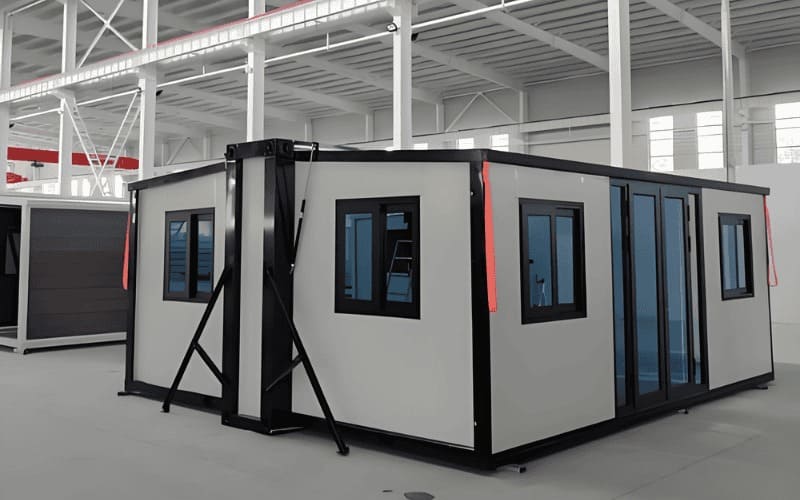
Prefabricated container homes are buildings constructed using standard shipping containers that are modified or combined to serve as residential or office spaces.
Compared with traditional brick-and-mortar houses, container homes offer several advantages:
Short construction time
Modular transportation
Strong mobility
High flexibility in layout
Thanks to their modular design, multiple containers can be combined horizontally or vertically to create multi-story homes or larger living spaces, offering far greater flexibility than traditional construction.
How Much Do Prefabricated Container Homes Cost by Size?
Different container sizes suit different living needs and space requirements. Below are the most common options.
20ft Container Home
A 20-foot container home measures approximately 6.1m × 2.4m × 2.6m and is ideal for single individuals or small families.
Price range: $5,000 – $15,000
Best uses: backyard homes, vacation cabins, offices, temporary housing
Even a basic 20ft container home can include a bed, small kitchen, and bathroom, meeting daily living needs efficiently.
30ft Container Home
A 30-foot container home is approximately 9.1m × 2.4m × 2.6m, with prices ranging from $8,000 – $20,000.
Compared to a 20ft unit, it offers more interior space, allowing:
Separate bedroom
Living room
Kitchen area
By combining multiple units, 30ft containers can form small duplexes or compact family homes, making them suitable for long-term living.
40ft Container Home
A 40-foot container home measures approximately 12.2m × 2.4m × 2.6m, with a typical price range of $10,000 – $25,000.
This size provides enough space for:
Multiple bedrooms
Open-plan living room
Kitchen and bathroom
40ft container homes are ideal for families, offices, vacation rentals, or shared spaces. High-end custom designs may include balconies, large windows, and premium interiors.

Multi-Container Combinations & High-End Custom Homes
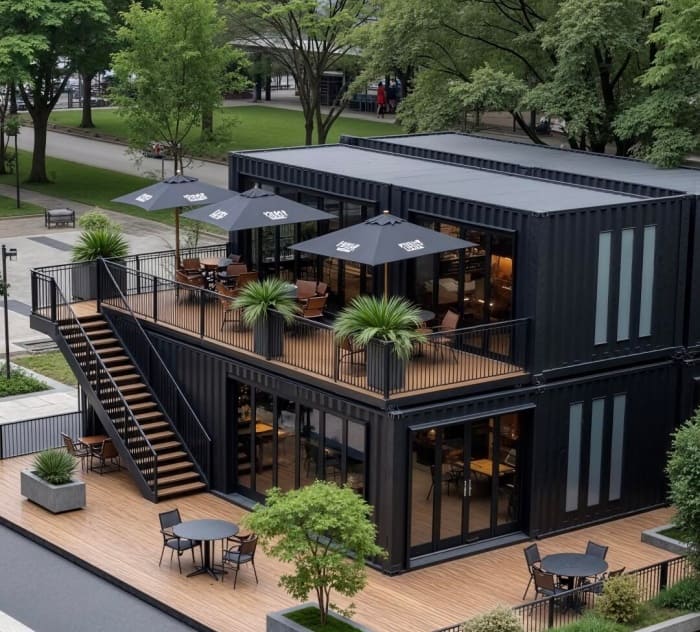
For larger living spaces, multiple containers can be combined to create multi-story houses or villa-style homes.
Price range: $50,000 – $100,000+
Costs depend on:
Design complexity
Interior materials
Additional features such as balconies, staircases, and landscaping
This approach offers maximum flexibility and is suitable for long-term living or commercial use.
Key Factors Affecting Prefabricated Container Home Prices
Understanding cost factors helps you control your budget and make informed decisions.
Container Type (20–30% of Total Cost)
New containers: Higher cost, better condition, 25–30% of total budget
Used containers: Lower cost, about 20%, may require refurbishment
Choosing the right container type balances safety and cost efficiency.
Design & Customization Level (15–25%)
Simple single-story designs: ~15%
Multi-story or luxury customization: up to 25%
Early design planning is critical for cost control.
Interior Materials & Finishes (30–40%)
This is the largest cost component, including:
Insulation, waterproofing, fireproofing
Kitchens, bathrooms, flooring, walls, furniture
High-end materials significantly increase costs, while basic finishes or self-supplied materials can reduce expenses.
Transportation & Construction (10–15%)
Short-distance transport: ~10%
Long-distance or complex lifting: up to 15%
Efficient logistics planning helps minimize costs.
Local Regulations & Permits (5–10%)
Costs vary depending on:
Building permits
Land use regulations
Utility connections (water, electricity, sewage)
Early compliance planning prevents budget overruns.
How to Reduce Prefabricated Container Home Construction Costs
Smart planning can reduce total costs by 20–30% without sacrificing quality.
Use Refurbished Containers (Save 5–10%)
Refurbished, rust-treated used containers reduce material costs while remaining safe and durable.
Simplify the Design (Save 10–15%)
Avoid unnecessary customization. Single-story and standardized layouts are far more cost-effective.
DIY Interior Finishing (Save 5–10%)
Completing flooring, wall finishes, or basic installations yourself can reduce labor costs.
Choose an Experienced Construction Team (Save ~5%)
Professional teams reduce delays, errors, and unexpected expenses.
Investment Value of Container Homes
Beyond cost savings, container homes offer strong investment potential:
High flexibility: movable, expandable, adaptable
Strong rental demand: ideal for guesthouses, offices, vacation rentals
Fast ROI: low construction cost and short build time
Container homes are a practical option for both personal use and commercial investment.
FAQ About Prefabricated Container Homes
1. How long does it take to build a container home?
A single unit typically takes 2–4 weeks. Multi-container projects may take 6–12 weeks, depending on complexity.
2. Are container homes durable?
Yes. With proper rust-proofing, waterproofing, and insulation, container homes can last 20+ years.
3. Are used shipping containers safe?
Yes, if properly inspected and refurbished. Always check structural integrity and chemical safety.
4. How much land area is required?
20ft container: ~15 m²
40ft container: ~30 m²
Layout planning depends on access and arrangement.
5. Are container homes suitable for long-term living?
Absolutely. With proper design and climate insulation, they can match the comfort of traditional homes.
Conclusion
Prefabricated container homes offer an affordable, flexible, and fast alternative to traditional housing. By understanding size options, cost factors, and smart cost-saving strategies, you can confidently plan a container home that fits both your budget and long-term goals.