When deciding to customize a container house, most buyers focus on price, appearance, and delivery time. While these factors matter, they rarely determine whether a project will succeed in the long run.
The real difference between a professional container house manufacturer and an ordinary assembly plant lies in a set of hidden industry thresholds—capabilities that are not immediately visible but directly affect safety, durability, scalability, and lifecycle cost.
This article reveals the key barriers you should understand before choosing a long-term manufacturing partner.
I. Beyond Certifications: Full Supply Chain Control
Business licenses and certifications are only the entry point.
A far more critical indicator is whether the manufacturer has independent control over its core material supply chain.
Professional container house manufacturers typically maintain long-term strategic partnerships with:
Steel mills
Coating and paint suppliers
Insulation and structural component providers
This ensures stable material specifications, traceability, and consistent performance across large or long-cycle projects.
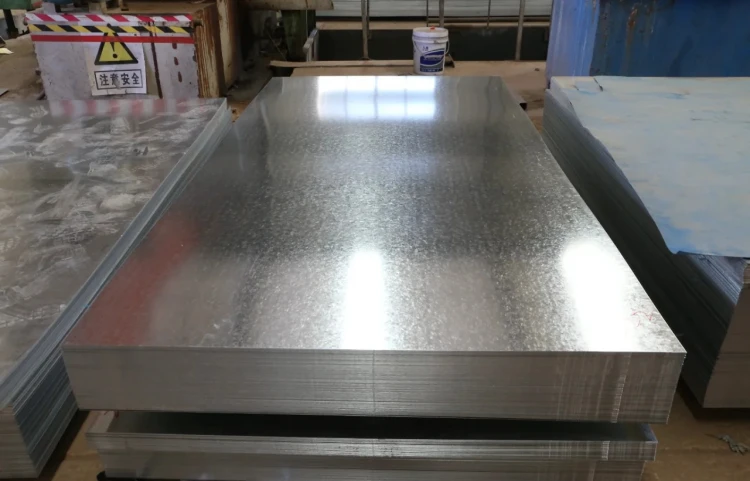
For example, high-quality manufacturers use certified weathering steel coils sourced from designated steel mill grades, with yield strength consistently exceeding 345 MPa. This eliminates hidden structural risks caused by steel batch inconsistencies—a common issue with small assembly plants.
This level of supply chain integration forms the foundation for reliable quality and predictable project delivery.
II. Bigger Than a Factory: Modular Precision and Process Databases
Owning a factory is basic. What truly differentiates leading manufacturers is the “digital DNA” embedded in their production system.
Top-tier manufacturers establish:
Modular design standards
Process parameter databases
Verified node solutions based on past projects
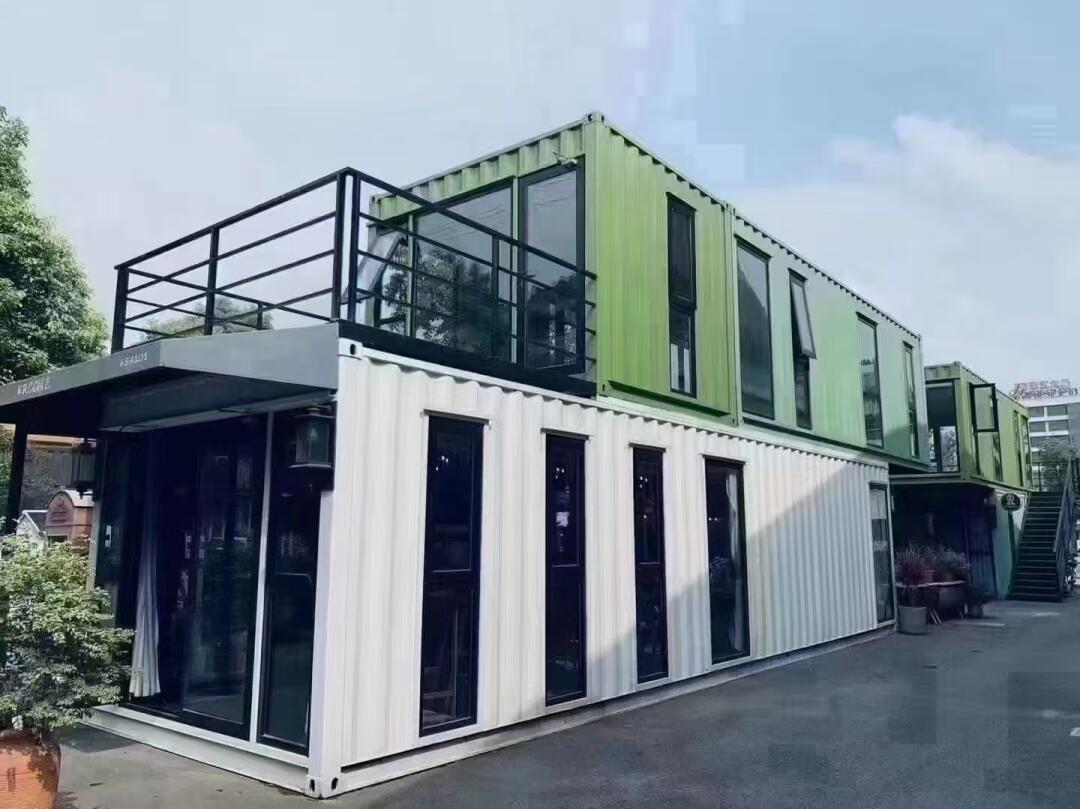
When clients request complex configurations—such as cantilevered structures, multi-container stacking, or irregular splicing—engineers can retrieve validated welding parameters, tolerance data, and structural node solutions from the database rather than relying on trial-and-error.
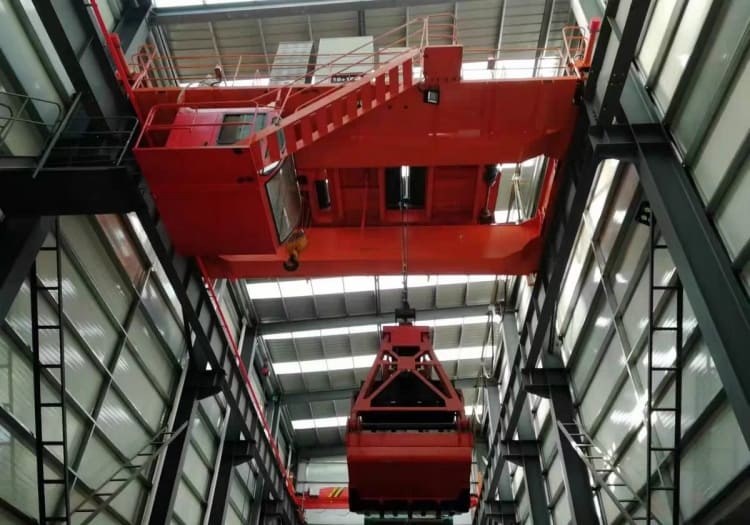
Advanced production lines using:
Laser cutting
Robotic welding
achieve millimeter-level precision, ensuring all prefabricated components fit perfectly before leaving the factory. As a result, on-site installation becomes faster, cleaner, and far more predictable.
III. More Than Drawings: Integrated Design and Lifecycle Thinking
Professional container house solutions go far beyond visual renderings.
They are based on integrated system design, covering:
Structural engineering
Thermal insulation
Electrical and plumbing systems
Interior finishes
Smart and future-ready infrastructure
An experienced manufacturer’s design team is involved from the early planning stage, proactively addressing issues clients often overlook.
Examples include:
Condensation prevention through optimized joint construction and airflow design for different climate zones
Pre-installed electrical and plumbing pathways that support future upgrades
Reserved interfaces for smart systems and functional expansion
Some manufacturers even provide lifecycle simulation analysis, helping clients evaluate construction cost, operation cost, and long-term maintenance—ensuring the project remains economical and functional over time.
They do not sell “containers.”
They deliver a complete building system.
Understanding the Real Industry Thresholds
Choosing a container house manufacturer is not just a procurement decision—it is a strategic partnership evaluation.
What you see on the surface is the product.
What determines success is the manufacturer’s systematic capabilities, engineering depth, and long-term vision.
A reliable partner ensures your project can evolve smoothly from concept to construction—and remain safe, comfortable, and durable for years to come.
Conclusion: Choose Depth, Not Just Price
The hidden industry barriers in custom container house manufacturing define the true difference between short-term savings and long-term value.
By evaluating supply chain control, modular precision, and integrated lifecycle design, you can select a manufacturer capable of truly supporting your project—from blueprint to reality.
If your project requires customization, scalability, and consistent quality, choosing the right manufacturing partner is the most important decision you will make.