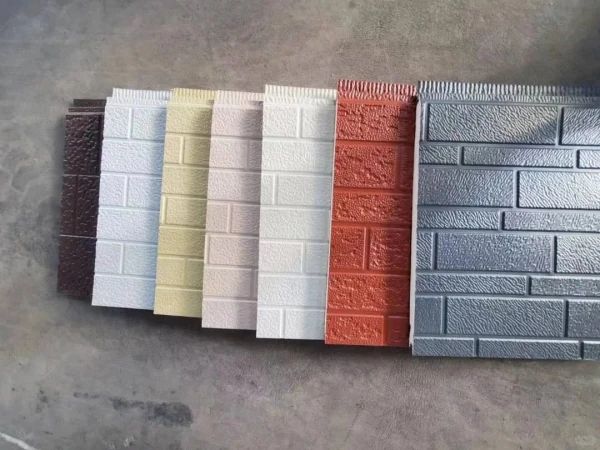
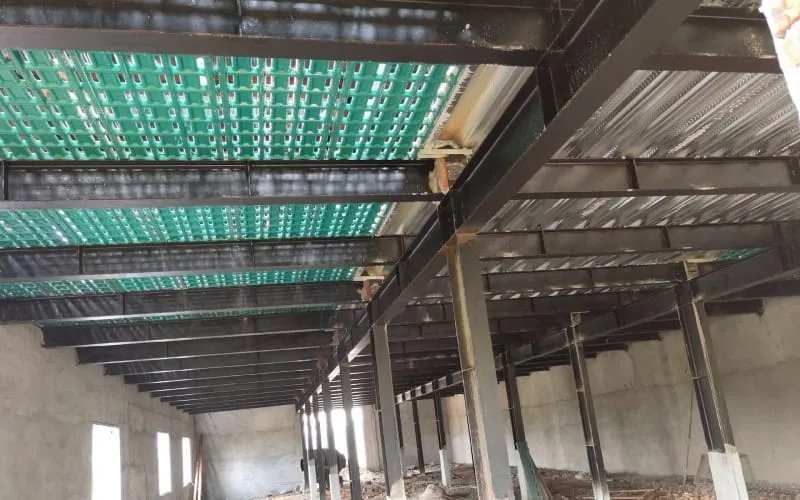
Galvanized steel sheet is a type of steel plate coated with a protective zinc layer through processes such as hot-dip galvanizing or electroplating. This zinc coating significantly improves the steel’s corrosion resistance, durability, and service life.
Because of these advantages, galvanized steel sheets are widely used in industries such as:
Construction
Home appliance manufacturing
Automotive and shipbuilding
Mechanical and electrical equipment
Common types of galvanized steel sheets include electro-galvanized steel sheet (SECC), hot-dip galvanized steel sheet (SGCC), and galvalume steel sheet (SGLD).
The performance of galvanized steel sheets depends largely on zinc coating thickness, coating structure, and surface quality, which are usually measured in grams per square meter (g/m²).
Classification of Galvanized Steel Sheets
Galvanized steel sheets can be classified according to production process and surface treatment methods.
Electro-Galvanized Steel Sheet (SECC)
Electro-galvanized steel sheet is produced through an electroplating process that deposits a thin zinc layer onto the surface of the steel.
It is commonly divided into:
Ordinary electro-galvanized sheet
Fingerprint-resistant electro-galvanized sheet (SECC-N)
Fingerprint-resistant sheets undergo an additional treatment that improves resistance to sweat and fingerprints, making them suitable for parts that require a clean surface without additional finishing.
Ordinary electro-galvanized sheets may also receive additional treatments such as:
Phosphating treatment (SECC-P) – improves paint adhesion
Passivation treatment – available in oiled and non-oiled forms
These treatments enhance corrosion protection and processing performance.
Hot-Dip Galvanized Steel Sheet (SGCC)
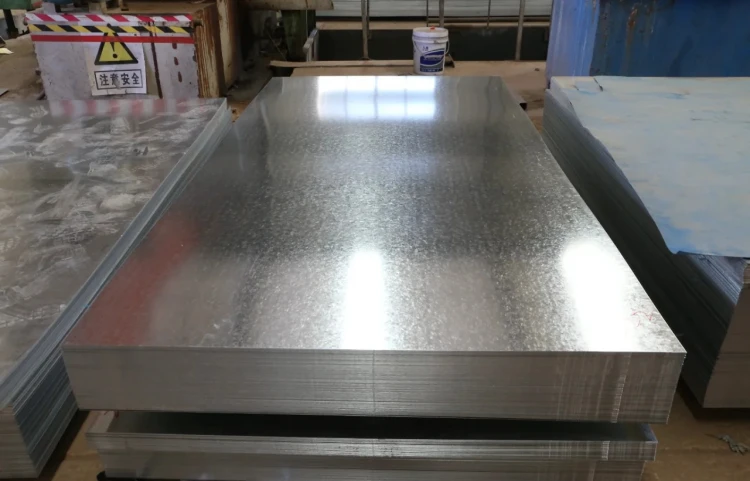
Hot-dip galvanized steel sheet is produced by immersing steel sheets into molten zinc, forming a thicker and more durable coating layer.
Compared with SECC, SGCC offers better corrosion resistance, especially when the sheet is bent or cut.
Key characteristics include:
Bright metallic surface appearance
Visible zinc crystal patterns (spangles)
Strong corrosion resistance
Because of its durability, SGCC is widely used in construction materials, structural components, and industrial products.
Galvalume Steel Sheet (SGLD)
Galvalume steel sheet is coated with a zinc-aluminum alloy layer, creating a multiphase alloy structure containing both aluminum-rich and zinc-rich phases.
This combination provides several performance advantages.
Main features include:
Superior corrosion resistance compared with SGCC
Excellent heat resistance
High thermal conductivity and reflectivity
Good formability and weldability
Because of its reflective properties, SGLD is often used in applications such as:
Reflective plates in ovens
Electrical appliance components
Heat-resistant equipment parts
Main Characteristics of Galvanized Steel Sheets
Galvanized steel sheets are widely valued because they combine several important material properties.
Corrosion Resistance
The zinc coating forms a protective barrier that prevents moisture and oxygen from reaching the steel surface. This greatly improves the material’s resistance to rust.
Paintability
Galvanized sheets can be easily coated with paint, allowing manufacturers to produce decorative and protective finished surfaces.
Formability
These sheets maintain the excellent forming properties of cold-rolled steel, allowing them to be bent, stamped, and shaped into various components.
Weldability
Galvanized steel sheets can be spot welded and processed using standard industrial techniques.
Quality Inspection Standards for Galvanized Steel Sheets
To ensure reliable performance, galvanized steel sheets must meet strict quality inspection standards.
1. Packaging
Galvanized sheets are typically supplied in two forms:
Cut sheets with fixed length
Galvanized steel coils
They are usually packed with moisture-proof paper and iron sheet wrapping, secured with steel straps to prevent friction damage during transport.
2. Dimensions and Specifications
Standard specifications define:
Sheet thickness
Width and length
Acceptable dimensional tolerances
Manufacturers can also customize sheet sizes according to customer requirements.
3. Surface Quality
Surface appearance may vary depending on the coating process. Common surface types include:
Regular spangle
Fine spangle
Flat spangle
No spangle
Phosphated surface
Minor imperfections such as weld marks may be allowed in coils, as long as they do not affect practical use.
4. Zinc Coating Weight
Zinc coating weight is the most common way to measure the thickness of the galvanized layer.
The unit is grams per square meter (g/m²).
Galvanized sheets may have:
Equal coating thickness on both sides
Different coating thickness on each side
For example, a coating label Z120 means the total zinc coating weight on both sides is 120 g/m².
5. Mechanical Properties
Mechanical performance is usually evaluated through several tests.
Tensile Test
Used to measure strength and elongation for sheets intended for forming or deep drawing.
Bending Test
Galvanized sheets are bent to 180 degrees to check coating adhesion. The zinc layer should not peel off, and the base metal should not crack.
6. Chemical Composition
Chemical composition requirements may vary by country. Some standards specify strict composition ranges, while others focus primarily on performance testing.
7. Plate Shape
Sheet shape quality is evaluated based on:
Flatness
Camber
These parameters ensure that the sheets can be processed accurately in manufacturing operations.
Development History of Galvanized Steel Sheets
The development of galvanized steel technology began in the early 20th century.
Key milestones include:
1937: The first continuous hot-dip galvanized strip steel production line was established in the United States.
1942: The first continuous electro-galvanized strip production line was introduced.
Since then, galvanized steel has become an essential material in modern industry.
Today, galvanized steel sheets are widely used in:
Construction
Household appliances
Automotive manufacturing
Container production
Electromechanical equipment
In major steel-producing countries such as the United States and Japan, hot-dip galvanized steel accounts for approximately 13%–15% of total steel production.
Future Development and Industry Trends
In recent years, demand for galvanized steel sheets has continued to grow globally. The automotive industry, in particular, requires materials with high corrosion resistance and long service life.
Traditional painted cold-rolled steel sheets no longer meet these requirements, which has led to increased adoption of hot-dip galvanized steel sheets.
The key advantages of coated steel sheets include:
Strong corrosion resistance
Excellent decorative properties
Good paint adhesion
Reliable formability for manufacturing
As technology continues to improve, manufacturers are focusing on enhancing coating processes, improving corrosion resistance, and expanding product specifications to meet the growing needs of modern industries.
Conclusion
Galvanized steel sheets are essential materials in modern manufacturing and construction due to their excellent corrosion resistance, durability, and versatility. Common types such as SECC, SGCC, and SGLD each offer unique advantages depending on application requirements.
With continuous technological improvements and increasing global demand, galvanized steel sheets will continue to play a crucial role in industries such as construction, automotive manufacturing, and home appliance production.