Folding homes are becoming increasingly popular due to their portable structure, fast installation, and low maintenance needs. They offer flexible living at an affordable price, making them ideal for modern lifestyles.

A typical folding home costs between US$1,700 for a basic 20ft unit and US$9,000 for a standard 30ft model, while larger or fully customized versions may exceed US$10,000 depending on materials, layout, and interior finish. Higher insulation levels, better steel grades, and added systems will increase overall pricing.
This guide explains price ranges, key design factors, and extra costs to help buyers plan their budget wisely.
1) Typical Costs by Size
Folding homes are available in multiple sizes, and prices vary based on design, space, and materials.
i) 20ft Folding Home — US$1,700 to US$5,500
The 20ft model is the most compact and cost-efficient option, suitable for individuals, couples, and small families. Its lightweight structure makes it simple to transport and set up for temporary use or portable accommodation.
ii) 30ft Folding Home — US$3,700 to US$9,000
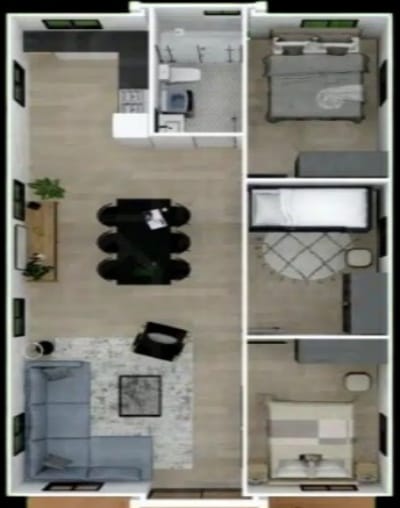
This size offers more living space and improved comfort, often featuring better materials and structural strength. It delivers a balance of cost, livable space, and durability—ideal for longer stays.
iii) 40ft Folding Home — US$4,100 to US$7,500 (Quote-Based)
The 40ft model provides ample space suitable for permanent living. Many suppliers offer quote-based pricing since layout and structural requirements vary widely.
iv) Custom Width or Layout — Quote-Based
Custom designs allow buyers to tailor width, materials, insulation, and room layouts to personal needs. Costs depend on specifications, offering maximum flexibility and premium living features.
2) Cost Factors You Control
Many pricing elements depend on how the home is built and configured.
i) Size and Layout
Larger unfolded areas and additional rooms raise material and design costs, while simpler layouts remain budget-friendly.
ii) Steel Specification & Load Design
Higher steel grades and added reinforcement improve safety in harsh climates but increase manufacturing costs.
iii) Insulation & Windows
Better insulation, double glazing, and thermal treatment raise upfront cost but reduce long-term energy bills.
iv) Interior Package
Flooring, cabinets, fixtures, and appliances vary in price based on finish level. Mixing basic and premium materials helps control cost while achieving a modern look.
v) Services Package
This includes plumbing, electrical panels, and HVAC systems. Efficient systems cost more initially but lower utilities over time.
vi) Drawings & Approvals
Engineering plans, permits, and inspections ensure safe installation and compliance—helping prevent costly issues later.
vii) Logistics & Delivery
Costs depend on container loading capacity, delivery route, and site accessibility. Heavy lifting equipment may add extra charges.
viii) Volume & Lead Time
Bulk orders reduce per-unit cost, while urgent orders typically incur rush fees.
3) Extra Costs Beyond EXW Pricing
While EXW pricing covers the base unit, additional expenses apply after purchase.
i) Permits & Inspections
Local rules may require approval before setup.
ii) Foundation & Anchoring
Stronger foundations provide long-term stability but cost more.
iii) Crane & Installation Crew
Sites with limited space may require special lifting equipment.
iv) Utilities & Hookups
Costs vary based on distance from available service points.
v) Transport & Import Fees
Includes freight, customs clearance, and inland haulage.
vi) Exterior & Interior Add-Ons
Decks, steps, and furniture improve usability but raise costs.
vii) Long-Term Maintenance
Routine checks on coatings, seals, and joints help prevent major repairs.
4) Cost Comparison of Different Container Home Types
[Image Placeholder: comparison-table]
| Type | Base Cost | Shipping Efficiency | Setup Time | Best For |
|---|---|---|---|---|
| Folding Container House | Low | High | Hours | Fast & budget builds |
| Expandable Container House | Medium-High | Medium | 1–2 Days | Larger living area |
| Detachable Container House | Medium | High | 2–3 Days | Long-term projects |
| Flat-Pack Container House | Medium | Very High | 1–2 Days | Affordable transport |
| Traditional Modular Home | High | Low | Weeks | Permanent housing |
Conclusion
Folding homes offer a cost-effective housing solution with efficient transport, fast installation, and flexible living options. By selecting the right size, planning materials, and considering additional costs like utilities and logistics, buyers can optimize both budget and long-term value.