Struggling with high housing costs and environmental concerns? Traditional homes drain resources and lack flexibility.
Folding container homes offer sustainable, mobile living solutions that save space, reduce costs, and adapt to emergencies, making them ideal for modern needs.
Discover how BEST’s innovative designs revolutionize housing—keep reading to explore their features, uses, and benefits.
What Is a Folding Container Home?
Tired of bulky, hard-to-transport housing options that waste space and time in emergencies?
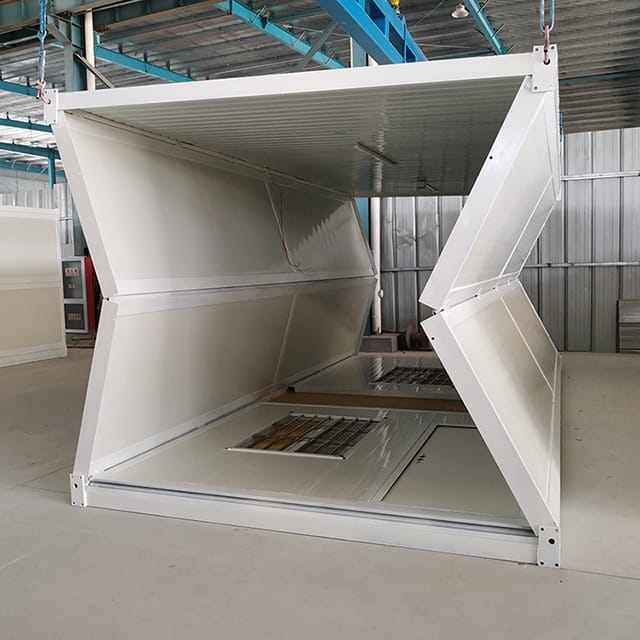
A folding container home transforms standard containers into foldable, efficient living units, optimizing space, transportation, and quick setup for various scenarios like disasters or temporary residences.
Folding container homes aren’t just modified boxes; they require smart engineering to balance portability with livability. Let’s break it down critically.
Core Design Principles
The foundation lies in leveraging container durability while adding folding mechanisms. Traditional containers are rigid, but folding versions use hinges and locks for compact storage. This addresses transportation limits but demands precise engineering to avoid structural weaknesses during unfolding.
Comparison with Traditional Container Homes
To understand better, consider this table:
| Transportation 运输 | Compact when folded, easier logistics | Folding Container Homes |
|---|---|---|
| Setup Time 设置时间 | Compact when folded, easier logistics折叠时结构紧凑,物流更轻松 | High, but static 高,但静态 |
| Traditional Container Homes传统集装箱房屋 | Days or weeks | Folding Container Homes 折叠集装箱房屋 |
| Space Utilization | Lower with reduced volume体积减小,降低 | Hours with minimal tools 使用最少的工具数小时 |
| Fixed layout 固定布局 | Bulky, requires large vehicles体积庞大,需要大型车辆 | High, with reinforced joints高,带加固接头 |
| Cost Efficiency 成本效益 | Durability 耐久性 | Expandable via folding 可通过折叠扩展 |
This highlights how folding designs solve pain points like mobility, but they must incorporate advanced materials to prevent wear from repeated folding.
Applications and Limitations
Critically, while versatile for emergencies, they may not suit permanent urban living without custom insulation. BEST PEB excels here by integrating tech for enhanced comfort, ensuring units withstand harsh conditions. However, users should assess site-specific needs—uneven terrain might require additional supports. Overall, these homes promote sustainability by repurposing containers, reducing waste, but success hinges on professional installation to mitigate risks like leaks or instability.
What Are the Uses of Folding Container Houses?
Facing urgent shelter needs in disasters or remote projects, where traditional builds fall short?
Folding container houses provide rapid deployment for post-disaster rescue, temporary accommodations, medical facilities, and long-term residential or commercial spaces.
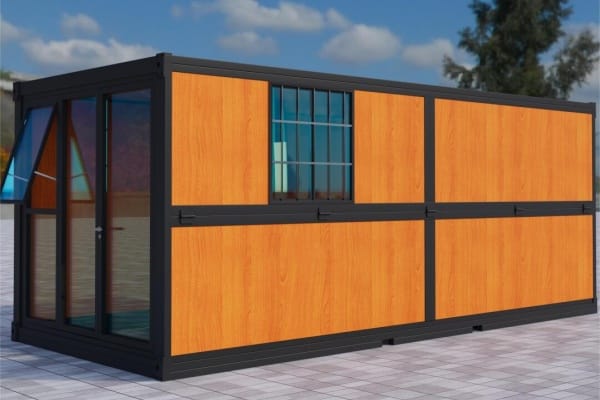
Beyond basics, their adaptability shines in diverse scenarios—let’s dissect how they address specific challenges.
Emergency and Rescue Applications
In disasters like floods or earthquakes, speed is critical. Folding houses deploy quickly, offering stable shelters versus tents. BEST units include built-in utilities, turning them into command centers or medical stations, reducing response times and saving lives.
Temporary and Project-Based Uses
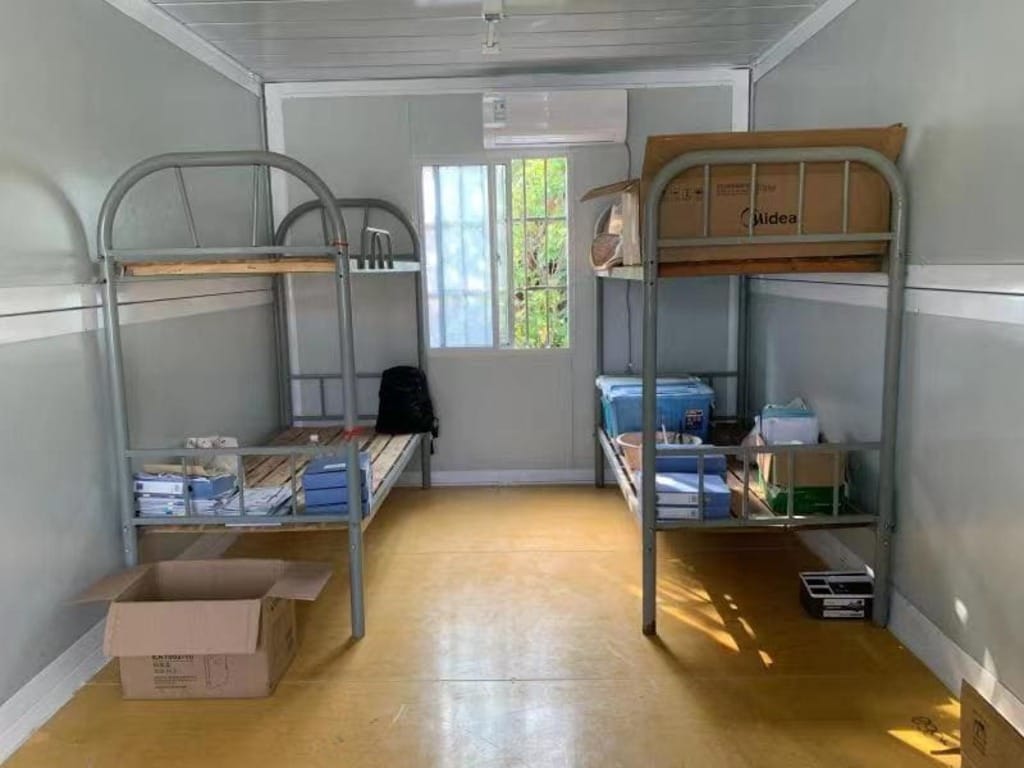
For construction sites or events, they serve as dorms or offices. Customizable features like toilets and storage solve logistical issues, allowing easy relocation. This flexibility cuts costs compared to renting permanent structures.
Long-Term and Commercial Viability
As sustainable options, they’re ideal for eco-friendly homes or pop-up shops. With insulation for various climates, they provide durable, low-maintenance spaces. However, critique: while versatile, they may need zoning approvals for permanent use.
| Use Case | Benefits | Ideal Scenarios |
|---|---|---|
| Post-Disaster Rescue | Quick setup, weather-resistant | Earthquakes, floods |
| Temporary Accommodation | Customizable interiors | Construction sites, events |
| Medical Facilities | Sanitary, expandable | Remote areas, emergencies |
| Long-Term Residential | Sustainable, cost-effective | Eco-living, remote housing |
| Commercial Spaces | Mobile, adaptable | Pop-up stores, offices |
This table underscores their multi-faceted role. BEST enhances these with advanced tech, ensuring safety and efficiency. Yet, users must consider maintenance for longevity—regular checks prevent issues like corrosion. In essence, these houses bridge gaps in housing innovation, promoting mobility without sacrificing quality, making them indispensable in a dynamic world.
What Are the Types of Folding Container Houses?
Wondering which design fits your mobile housing needs amid varying terrains and purposes?
Types include standard folding, flipping, mobile, and inclined variants, each optimized for space, speed, or adaptability in scenarios like rescues or offices.
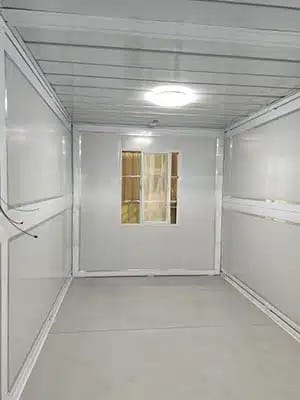
Each type tackles unique problems—let’s critically evaluate their strengths and trade-offs.
Standard Folding Designs
These use hinge mechanisms for compact storage, ideal for quick assembly in tight spaces. BEST versions ensure structural integrity post-unfold, but repeated use demands quality materials to avoid hinge failure.
Flipping Variants
Flipping opens large areas, perfect for group activities like medical stations. They maximize space on limited land but require flat surfaces; uneven ground could complicate setup.
Mobile Options
Equipped with wheels, these prioritize relocation for sites like exhibitions. Lightweight yet sturdy, they excel in dynamic environments, though mobility adds complexity to stability during transit.
Inclined Structures
Designed for sloped terrains, they adjust for stability in mountains. This innovation avoids traditional leveling issues, but customization increases costs.
Comparative table:
| Type | Key Feature | Pros | Cons |
|---|---|---|---|
| Standard Folding | Hinge-based collapse | Easy transport, quick setup | Limited to flat areas |
| Flipping | Expands via flip | Large open spaces | Needs more setup space |
| Mobile | Wheels and chassis | High portability | Potential vibration issues |
| Inclined | Adjustable slope structure | Terrain adaptability | Higher customization cost |
Critically, no type is universal—selection depends on environment. BEST offers hybrids, blending features for versatility. However, all require professional oversight to ensure safety compliance. This segmentation helps users avoid mismatches, fostering informed decisions in sustainable housing.
What Are the Advantages of Folding Container Houses?
Battling high costs and slow builds in traditional housing, leaving you frustrated?
Advantages include space savings, rapid deployment, eco-friendliness, durability, cost-effectiveness, and customizability for diverse needs.
These benefits aren’t hype—let’s critically analyze how they stack up against alternatives.
Space and Transport Efficiency
Folding reduces volume, slashing logistics costs. Ideal for global projects, but ensure mechanisms are robust to prevent damage.
Speed of Deployment
Hours versus weeks for setup revolutionizes emergencies. BEST’s designs minimize tools, but training is essential for error-free installation.
Environmental Impact
Recyclable materials cut waste and energy use. Critique: Production still has a footprint, so opt for low-emission manufacturers.
Durability and Resilience
High-strength builds withstand disasters, outperforming tents. However, coatings must be maintained against corrosion.
Cost Savings
Lower materials and labor reduce expenses long-term. Table for comparison:
| Advantage | Folding vs. Traditional | Impact |
|---|---|---|
| Space Saving | 70% volume reduction | Cuts transport costs by 50% |
| Rapid Deployment | Hours vs. weeks | Speeds emergency response |
| Eco-Friendliness | Recyclable materials | Reduces waste by 40% |
| Durability | Withstands earthquakes | Lowers replacement needs |
| Cost-Effectiveness | 30-50% cheaper | Budget-friendly for projects |
| Customizability | Modular expansions | Adapts to specific uses |
Customizability
Tailor-made for offices or homes, enhancing versatility. Yet, over-customization can inflate prices.
BEST leads with these perks, but users should weigh against site regulations. Overall, advantages drive adoption, promoting sustainable innovation.
What Materials Are Used in Folding Container Houses?
Concerned about durability and eco-impact in harsh environments for your housing choice?
Key materials include high-strength steel frames, insulation, waterproofing, and eco-friendly coatings for stability, comfort, and sustainability.
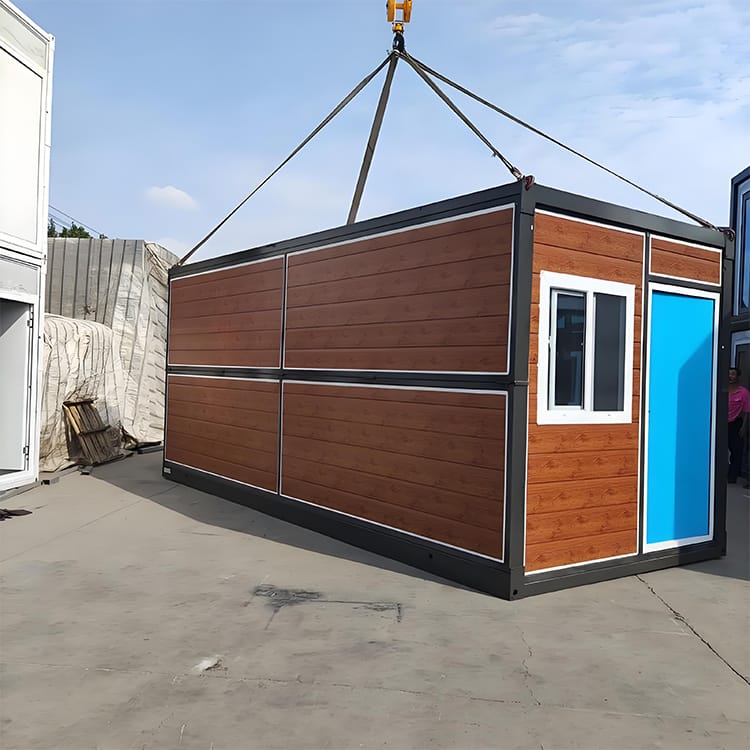
Materials define performance—let’s scrutinize selections and their implications.
Steel Frames and Coatings
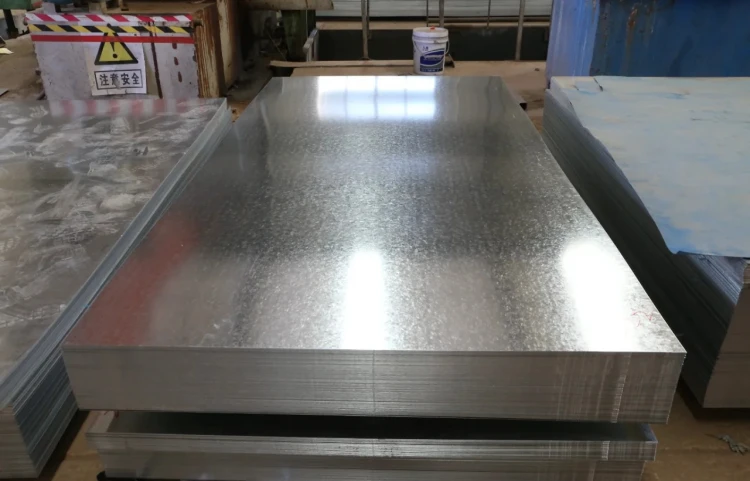
High-strength steel provides core stability, resisting compression. Corrosion-resistant coatings extend life in humid areas, but quality varies; premium options like BEST’s prevent rust effectively.
Insulation and Waterproofing
Efficient insulators regulate temperature, while waterproof layers keep interiors dry. These combat mold, but improper installation risks gaps.
Eco-Friendly Components
Recyclable, low-pollution materials minimize footprint. Low-VOC coatings ensure health safety.
Materials breakdown table:
| Material | Purpose | Benefits | Considerations |
|---|---|---|---|
| Steel Frame | Structural support | High strength, durable | Needs anti-corrosion treatment |
| Insulation | Temperature control | Energy efficiency | Must be moisture-resistant |
| Waterproofing | Moisture barrier | Prevents leaks, mold | Regular checks for wear |
| Eco-Coatings | Protection and sustainability | Low emissions, recyclable | Compliance with standards |
Critically, material synergy is key—poor integration leads to failures.BEST prioritizes tested combos for longevity. Users should verify certifications to avoid subpar products. This approach ensures resilient, green housing solutions