The global demand for eco-friendly and flexible housing continues to rise.
In both the tourism and real estate industries, folding container homes are becoming a key solution—offering speed, style, and sustainability in one design.
From luxury resorts to temporary rental units, here’s how these innovative structures are changing the way we live and travel.
 1. Eco-Resorts and Glamping Retreats
 1. Eco-Resorts and Glamping Retreats
Sustainable tourism has never been more popular.
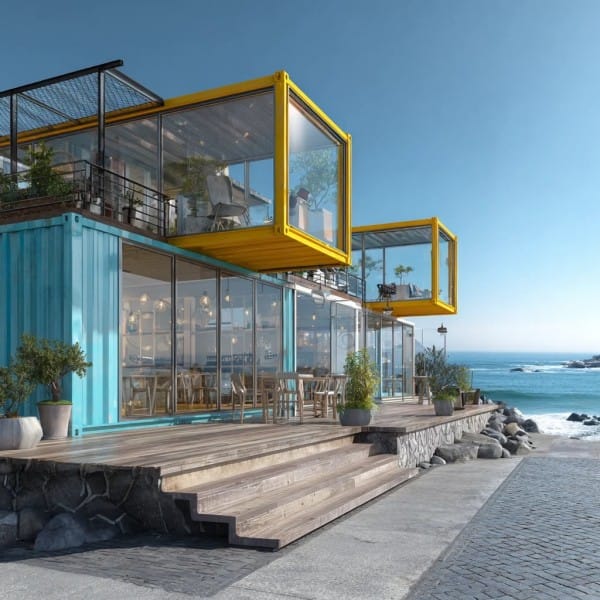
Folding container homes allow resort developers to create eco-glamping retreats with minimal environmental impact.
Their modular and portable nature makes them ideal for remote destinations—mountain valleys, beaches, and forests—without the need for heavy construction or permanent foundations.
Each unit can include:
A foldable bedroom suite
A private bathroom module
Solar panels and energy-efficient insulation
This eco-conscious approach attracts modern travelers seeking comfort and sustainability.
2. Short-Term Vacation Rentals
Platforms like Airbnb and Booking.com are driving the popularity of compact, unique vacation stays.
Folding container homes provide an affordable and aesthetic solution for property owners looking to expand rental options quickly.
They can be installed on existing land or vacant lots, offering:
Fast setup (often within 1–2 days)
Stylish interiors with minimal maintenance
Reusable structures that can be relocated or expanded
For investors, this means higher occupancy rates and faster returns on investment.
3. Urban Real Estate Developments
In crowded cities, space is a premium resource.
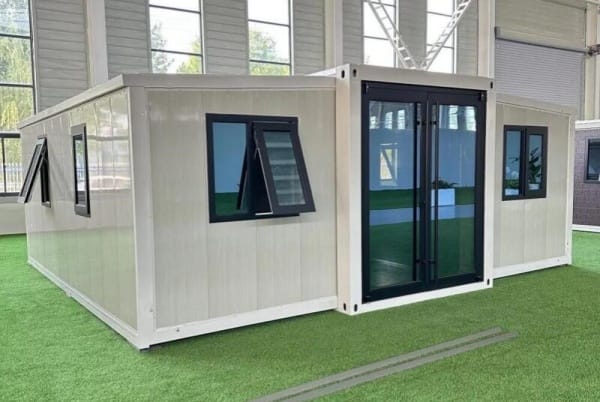
Folding container homes introduce a modular solution for developing affordable housing and micro-apartment projects.
Developers can stack or connect units to build:
Student housing
Co-living communities
Emergency shelters
Because these homes meet international building standards, they are not only affordable but also durable and compliant with urban safety codes.
4. Commercial and Office Spaces
Beyond residential purposes, folding container structures are also used for:
Temporary offices at construction sites
Pop-up stores and cafés
Mobile clinics or exhibition booths
Their folding mechanism makes relocation and reassembly simple—an advantage for businesses seeking flexibility and mobility.
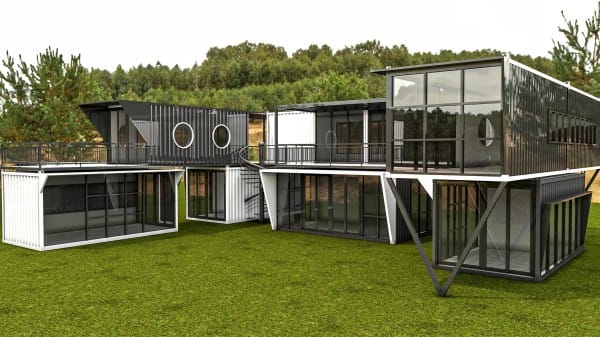
5. Real Estate Showrooms and Model Homes
For developers, container homes can serve as portable marketing tools.
A foldable model home can be transported and showcased at different events or exhibitions, helping potential buyers visualize design options before making a purchase.
This approach not only saves cost but also increases engagement through real-life demonstration.
6. Affordable Housing Projects
Governments and NGOs are increasingly adopting folding container homes for affordable housing programs and emergency shelters.
Their low-cost production, quick deployment, and high durability make them ideal for addressing housing shortages or disaster recovery situations.
Each home can be customized with:
Insulated walls
Solar-powered systems
Modular bathroom and kitchen kits
This ensures comfort and safety even in challenging environments.
A Future of Versatility and Innovation
From luxury resorts to city housing, folding container homes have proven their unmatched versatility.
They combine aesthetic appeal, rapid setup, and sustainability, reshaping both tourism and real estate industries worldwide.
As more developers and investors embrace modular architecture, folding container homes are expected to become a mainstream building solution by 2030—transforming the way we design, live, and invest.
Final Thought: Flexibility That Builds the Future
Whether you’re a property developer, investor, or eco-tourism entrepreneur, folding container homes offer a pathway to innovative, low-cost, and sustainable construction.
Their strength lies in their ability to adapt—fitting any landscape, any function, and any vision.